




Introduction The hands are the main show when it comes to the body. They can be expressive when a person is talking, they can carry items from place...
Category - Chronic Pain
Chronic Pain: Everyone feels pain from time to time. From cutting a finger or pulling a muscle, pain is the body’s way of telling someone that something is wrong. When the injury is healed then the person will stop hurting.
However, chronic pain works differently as the body keeps hurting weeks, months, or even years after the injury. Local doctors define chronic pain as any pain that lasts for 3 to 6 months or more. Sometimes the pain is so severe that it can affect a person’s day to day life and mental health. Pain can come from a series of messages that run through the nervous system. When a person is hurt, the injury can turn on pain sensors in that area by sending a message in the form of an electrical signal. This signal can travel from nerve to nerve until it reaches the brain. The brain then processes the signal and sends out the message that the body is hurt. Some of the leading causes that can cause severe chronic pain are:
Arthritis
Back problems
Infections
Migraines and other headaches
Nerve damage
Past injuries or surgeries

Introduction The elbows and the forearms have a casual relationship with each other as they provide flexion and retraction of the arms in the body...
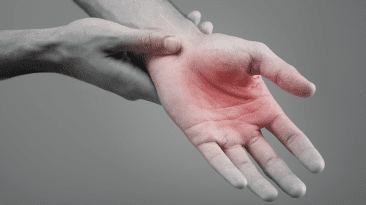
Introduction The fingers are in a close relationship with the hands and the body. Each finger digit is controlled by various muscles encompassing...

Introduction The forearms have a casual relationship with the hands and the wrist as they are below the elbow and have very important motor functions...

Introduction One of the many muscles that help stabilize the shoulders and provide movement when the arms are in motion. The tricep muscles are one...

Introduction When it comes to the human body in motion, the arms can carry, lift, and move items from one place to another without pain. The arms...

Introduction The upper arms allow the individual to move the arms, hands, and fingers, enabling them to do everyday activities without feeling pain...

Introduction The upper extremities of the body, which include the head, neck, shoulders, chest, and arms, all have a specific job of keeping the body...
Book Appointments 24/7


Functional Medicine Provider*

ONLINE APPOINTMENT & BOOKING