



The obesity pandemic has affected our population on a large scale. Indeed, this multifactorial condition is heavily influenced by numerous environmental elements, including genetics, familiar antecedents, sedentarism, highly industrialized food, and increased energetic intake. However...
Layout A (with pagination)
Innate and adaptive immunity responses often take the spotlight regarding the defense and protection against pathogens. Nevertheless, barrier tissues have proven to store inflammatory memory that allows them to protect us against pathogens. Indeed, this new insight of barrier memory...
Diets, Fasting Health, Functional Medicine, Gut and Intestinal Health
Ketosis and Microbiota: Healthy Symbiosis
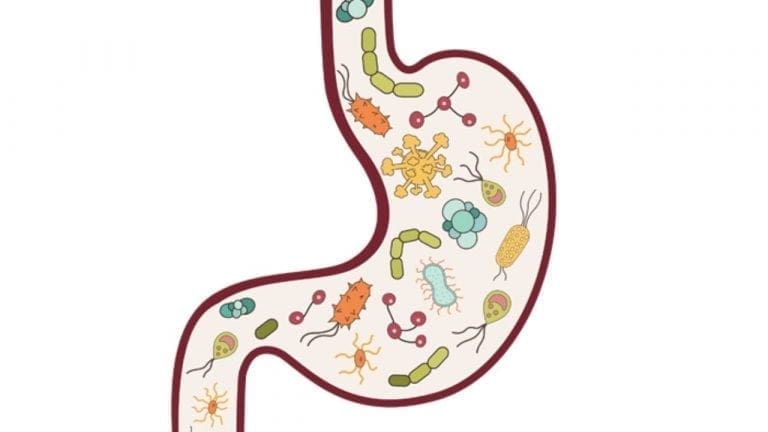
The link between microbiota and different factors such as exercise, genetics, disease, body composition, and nutritional intake is undeniable. However, this means that the effect of these aforementioned factors can influence microbiota diversity. The dietary composition of a...

A healthy microbiota is considered to have rich biodiversity and functions symbiotically with its host to promote wellness. However, dysbiosis is widely associated b a multitude of gastrointestinal diseases, as well as cardiometabolic conditions. A disbalance or rupture of the microbial...

Omega-3 polyunsaturated fatty acids (PUFA) are considered essential because our body cannot synthesize them. The two most common long-chain omega-3 acids are called eicosapentaenoic acid (EPA, 20:5, ω 3) and docosahexaenoic acid (DHA, 22:6, ω 3). In fact, numerous studies involving the...
Book Appointments 24/7


Functional Medicine Provider*

ONLINE APPOINTMENT & BOOKING