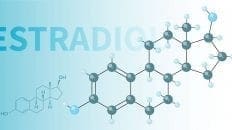
Learn about the thyroid and gut-hormone integration and its role in managing your hormones and health effectively.
Table of Contents
Abstract: The Hidden Epidemic of Thyroid Dysfunction, Gut Health, and Hormonal Imbalance
One of the most pervasive and persistently misunderstood health crises in modern medicine today involves the thyroid gland — a small, butterfly-shaped organ situated at the base of the neck that wields an outsized influence over virtually every physiological system in the human body. Despite decades of clinical research pointing toward the inadequacy of relying solely on thyroid-stimulating hormone (TSH) as a diagnostic marker for thyroid dysfunction, the mainstream medical establishment continues to depend on this single lab value as the gold standard for identifying and managing thyroid disease. The result is a staggering population of individuals — potentially tens of millions across the United States alone — who are walking through their daily lives burdened by the symptoms of hypothyroidism. At the same time, they are being told, repeatedly, that their thyroid is perfectly normal.
In this educational post, I want to address this clinical gap directly, drawing on the latest evidence-based research, my own clinical observations as documented at HealthVoice360.com, and the emerging science around the thyroid-gut axis, deiodinase enzyme activity, T4-to-T3 conversion, and hormonal interdependence. The conversation that inspired this post involved a deeply insightful clinical dialogue about why free T3 — not TSH — is the most physiologically meaningful thyroid marker we have, why the standard reference ranges we use are built on a fundamentally flawed population baseline, and why so many patients are being systematically undertreated.

The topics we will cover in this post include: the distinction between TSH, free T4, and free T3 and why each matters differently; the critical role of deiodinase enzymes in converting inactive thyroid hormone to its active form; the many modern lifestyle and physiological factors that impair this conversion, including stress, gut dysbiosis, insulin resistance, and medications such as beta-blockers, statins, and oral contraceptives; the profound and bidirectional relationship between gut microbiome health and thyroid hormone metabolism; the downstream effects of suboptimal T3 levels on cardiovascular risk, body composition, mortality, and hormonal cascades involving cortisol, testosterone, progesterone, and growth hormone; and the emerging clinical and research consensus that optimizing free T3 levels — rather than simply normalizing TSH — leads to dramatically better patient outcomes.
This post also explores the broader philosophical and systems-based approach to medicine that recognizes the human body as an integrated system of systems, where the gut, brain, thyroid, adrenal glands, reproductive organs, and metabolic pathways do not operate in silos. Fragmented, organ-specific medicine has left millions of patients without answers. A comprehensive, root-cause-oriented approach — one that begins with gut health, addresses hormonal balance holistically, and uses the full panel of thyroid markers — is not merely preferable; it is, based on the current evidence, medically necessary.
By the end of this post, clinicians and patients alike will have a clearer, more nuanced, and more actionable understanding of thyroid physiology, the limitations of current diagnostic paradigms, and the path toward truly optimized thyroid and hormonal health.
The Most Dangerous Misconception in Thyroid Medicine: Why TSH Alone Is Not Enough
When patients come to my clinic having already been evaluated by other providers for thyroid complaints — fatigue, weight gain, cold intolerance, brain fog, hair loss, depression, constipation, low libido — one of the most common things I hear is: “My doctor said my thyroid is fine.” And almost invariably, when I ask what labs were checked, the answer is the same: TSH.
This is the central and most consequential misconception in thyroid medicine today. The thyroid-stimulating hormone (TSH) test has become so deeply embedded in clinical practice that many providers — including endocrinologists, primary care physicians, and internists — treat it as the definitive, comprehensive, and sufficient measure of thyroid function. It is none of those things.
To understand why, we need to revisit the basic physiology of the hypothalamic-pituitary-thyroid (HPT) axis. The hypothalamus, a region of the brain that serves as the master regulator of the endocrine system, releases thyrotropin-releasing hormone (TRH) in response to signals about the body’s metabolic needs and circulating thyroid hormone levels. TRH travels to the anterior pituitary gland, where it stimulates the release of TSH. TSH then travels through the bloodstream to the thyroid gland itself, where it binds to TSH receptors on thyroid follicular cells, stimulating the synthesis and secretion of thyroid hormones — primarily thyroxine (T4) and smaller amounts of triiodothyronine (T3).
Here is where the complexity begins. T4 — the hormone the thyroid primarily produces — is essentially a prohormone. It is biologically inactive in its native form. T4 must be converted into T3, the biologically active thyroid hormone that actually enters cells, binds to thyroid hormone receptors in the nucleus, and influences gene expression, metabolic rate, mitochondrial function, cardiovascular activity, neurological health, and virtually every other physiological process you can name. This conversion does not happen in the thyroid gland. It happens peripherally — predominantly in the liver, the kidneys, and, most critically, the gut.
So when a provider checks only TSH, they are measuring a pituitary signaling molecule — a hormone produced not by the thyroid, but by the brain — that tells the thyroid to ramp up or slow down production. A normal TSH indicates that the pituitary is happy with circulating T4 levels. But it tells you absolutely nothing about:
- Whether that T4 is being efficiently converted to active free T3
- Whether the patient’s cells are actually receiving and utilizing adequate T3
- Whether reverse T3 (rT3) — an inactive metabolite — is being overproduced, blocking T3 receptor sites
- Whether thyroid peroxidase antibodies (TPO Ab) or thyroglobulin antibodies (TgAb) indicate autoimmune thyroid disease (Hashimoto’s thyroiditis)
This is not a fringe clinical position. Dr. Jeffrey Garber, one of the leading figures in American endocrinology and the primary author of the Endocrine Society’s guidelines for thyroid hormone replacement — guidelines that, notably, have not been substantially updated since 2012 — himself acknowledged in published work that while TSH is a useful screening tool, it is subject to significant daily fluctuation, is affected by age, stress, medications, and illness, and carries numerous exceptions that make it an unreliable sole measure of thyroid adequacy.
Yet here we are, more than a decade later, with the vast majority of clinical practice still anchored to TSH as the beginning and end of thyroid evaluation. In my clinical observations at HealthVoice360.com, I have consistently found that patients whose TSH falls within the so-called “normal” range — typically defined as approximately 0.5 to 4.5 mIU/L depending on the laboratory — frequently present with clear, measurable signs and symptoms of thyroid hormone insufficiency at the cellular level, particularly when their free T3 is in the lower half of its reference range.
The clinical implication is profound and urgent: TSH is a screening tool. It was never designed to be a treatment target. Using TSH alone to diagnose, manage, and medicate thyroid disease is equivalent to navigating a city using only a compass when detailed GPS mapping is available. It provides a general direction, but it misses the terrain entirely.
Understanding the Full Thyroid Hormone Panel: Free T4, Free T3, Reverse T3, and Thyroid Antibodies
To practice thyroid medicine comprehensively, we need to understand what each component of the full thyroid panel tells us and why each is clinically relevant. This is not about ordering unnecessary tests — it is about having the complete picture needed to make accurate, patient-centered decisions.
Free T4 (Thyroxine): The Prohormone
Free T4 represents the unbound, biologically available fraction of thyroxine in the bloodstream. The word “free” is important here — the majority of T4 in the blood is bound to carrier proteins, primarily thyroxine-binding globulin (TBG), albumin, and transthyretin. Bound T4 is metabolically inactive and cannot enter cells. Only the free fraction is physiologically relevant.
Measuring free T4 gives us information about whether the thyroid gland is producing adequate amounts of its primary hormone. A low free T4 in the context of an elevated TSH confirms primary hypothyroidism — the thyroid is failing to produce enough hormone despite the pituitary’s urgent signaling. However, a normal free T4 does not guarantee metabolic adequacy, because the critical question remains: is that T4 being converted to T3?
Free T3 (Triiodothyronine): The Active Hormone That Actually Matters
Free T3 is the most biologically active thyroid hormone. It is estimated to be approximately three to five times more potent than T4 in terms of its effects on cellular metabolism. T3 binds directly to thyroid hormone receptors (THRs) in the cell nucleus, initiating changes in gene transcription that regulate metabolic rate, heart rate, body temperature, gut motility, cognitive function, reproductive health, bone metabolism, and far more.
Approximately 80% of circulating T3 comes not from direct thyroid secretion, but from the peripheral conversion of T4 to T3 — a process mediated by a family of enzymes called deiodinases. This means that even if the thyroid is producing adequate T4, the patient may be functionally T3-deficient if peripheral conversion is impaired.
In clinical practice, I prioritize the free T3 level as the most meaningful indicator of a patient’s actual cellular thyroid hormone status. Importantly, the reference range used by most commercial laboratories for free T3 is derived from a population of predominantly unhealthy, metabolically compromised Americans — the same population that serves as the basis for many “normal” ranges in conventional lab medicine. This means that a free T3 value that falls within the lower portion of the reference range may still be associated with significantly increased clinical risk.
Emerging research supports this concern powerfully. Studies have demonstrated that individuals with higher free T3 levels — even within the reference range — experience lower rates of cardiovascular mortality, reduced all-cause mortality, less visceral adipose tissue accumulation, and better overall metabolic health compared to individuals with low-normal free T3. This is not a subtle association. These are clinically meaningful, reproducible findings that argue strongly for optimizing — not merely normalizing — free T3 levels in our patients.
Reverse T3 (rT3): The Metabolic Brake.
Reverse T3 is an inactive metabolite produced when the body converts T4 not to active T3, but to a mirror-image molecule that cannot bind to thyroid hormone receptors in a functionally productive way. In fact, rT3 can actually occupy T3 receptor sites without activating them, effectively acting as a competitive antagonist to free T3 — blocking the action of the real, active hormone.
The body produces reverse T3 deliberately under conditions of physiological stress — illness, starvation, severe psychological stress, caloric restriction, and systemic inflammation. This is thought to be an adaptive mechanism, a way for the body to downregulate its metabolic rate during periods of hardship. The problem arises when chronic modern stressors — unrelenting psychological pressure, poor diet, gut dysbiosis, insulin resistance, sleep deprivation — maintain chronically elevated rT3 production, creating a state of functional hypothyroidism even in the presence of normal TSH and adequate T4.
Measuring reverse T3 and calculating the free T3-to-reverse T3 ratio provides valuable clinical information about whether the body is efficiently utilizing its available thyroid hormone or diverting it into an inactive form.
Thyroid Peroxidase Antibodies (TPO Ab) and Thyroglobulin Antibodies (TgAb): The Autoimmune Signal
TPO antibodies target thyroid peroxidase, the enzyme responsible for the synthesis of thyroid hormone. Thyroglobulin antibodies target thyroglobulin, the protein matrix within which thyroid hormones are synthesized and stored. The presence of either or both of these antibodies at significant titers indicates Hashimoto’s thyroiditis, the most common cause of hypothyroidism in the developed world, an autoimmune condition that progressively destroys thyroid tissue.
Critically, patients with Hashimoto’s can present with a normal TSH for years or decades while the autoimmune process silently erodes their thyroid reserve. They may experience fluctuating symptoms — periods of hypothyroidism interspersed with periods of transient hyperthyroidism as the damaged gland releases stored hormone — all while their TSH bounces within the “normal” range.
Without checking TPO and TgAb, this diagnosis is entirely missed. And without the diagnosis, the underlying autoimmune and inflammatory drivers — gut permeability, molecular mimicry, immune dysregulation — are never addressed.
The full thyroid panel is therefore not optional if we are genuinely committed to understanding our patients’ thyroid health. It is the minimum standard of care supported by the evidence.
The Deiodinase Enzymes: The Critical Conversion Machinery That Modern Medicine Ignores
At the heart of the T4-to-T3 conversion process lies a family of selenoprotein enzymes known as deiodinases — specifically, Type 1 deiodinase (D1), Type 2 deiodinase (D2), and Type 3 deiodinase (D3). Understanding these enzymes is essential to understanding why so many people in the modern world are functionally T3-deficient despite having normal TSH and T4 levels.
How Deiodinase Enzymes Work
Thyroid hormones are iodinated molecules — they contain iodine atoms attached to their tyrosine-based backbone. T4 has four iodine atoms; T3 has three. The conversion of T4 to T3 involves the removal of one specific iodine atom from the outer ring of the T4 molecule — a process called 5’-deiodination or outer ring deiodination. This is performed primarily by D1 and D2 deiodinases.
- Type 1 Deiodinase (D1): Expressed most abundantly in the liver, kidneys, and thyroid gland. D1 is responsible for producing a significant portion of circulating T3. It can perform both outer ring deiodination (producing active T3) and inner ring deiodination (producing inactive rT3).
- Type 2 Deiodinase (D2): Found primarily in the pituitary gland, brain, brown adipose tissue, skeletal muscle, heart, and placenta. D2 has a much higher affinity for T4 than D1 and is the primary enzyme responsible for producing intracellular T3 in tissues — particularly in the brain and muscle. D2 activity is critical for ensuring that these metabolically demanding tissues receive adequate T3 even when circulating levels are low.
- Type 3 Deiodinase (D3): The primary inactivating D3 performs inner ring deiodination of T4 to produce reverse T3 (rT3), and it converts T3 to the inactive T2. D3 is most abundant in the placenta, developing brain, and skin, and its activity is upregulated during illness, stress, and inflammation as part of the body’s metabolic downregulation response.
The balance between D1/D2 activity (producing active T3) and D3 activity (producing inactive rT3) determines the effective thyroid hormone status of virtually every tissue in the body. When this balance is disrupted — when chronic stressors and D1/D2 upregulate D3 are downregulated by nutritional deficiencies, gut dysfunction, or inflammatory signaling — the result is systemic T3 deficiency at the cellular level, regardless of what TSH or even total T4 shows.
What Impairs Deiodinase Activity: The Modern World’s Assault on Thyroid Conversion
This is where the clinical picture becomes both alarming and, ultimately, actionable. The factors that impair deiodinase enzyme activity and disrupt T4-to-T3 conversion are not exotic or rare — they are the defining features of modern life for the vast majority of people in the United States.
Chronic Psychological and Physiological Stress
Chronic stress is perhaps the most pervasive deiodinase-disrupting factor in contemporary life. When the body perceives a threat — whether physical danger, emotional pressure, occupational demands, or relational conflict — the hypothalamic-pituitary-adrenal (HPA) axis is activated, releasing cortisol from the adrenal cortex. Cortisol is an essential glucocorticoid hormone with profound anti-inflammatory and metabolic regulatory functions. But when cortisol is chronically elevated, as it is in people living under persistent stress, it has direct inhibitory effects on D1 and D2 activity, reducing the conversion of T4 to active T3, while simultaneously stimulating D3 activity to produce more reverse T3.
The result is a pattern that I see with remarkable consistency in clinical practice: patients under chronic stress with elevated cortisol, low free T3, elevated rT3, and all the symptoms of hypothyroidism — fatigue, weight gain, brain fog, cold intolerance, hair thinning — despite a perfectly normal TSH. The stress is suppressing their T3 at the enzymatic conversion level, and no amount of TSH checking will reveal this.
Gut Dysbiosis and Intestinal Permeability
The relationship between gut health and thyroid hormone metabolism is one of the most clinically significant and underappreciated connections in endocrinology. The gut microbiome plays a direct and essential role in T4-to-T3 conversion. Approximately 20% of the T4-to-T3 conversion in the body is estimated to occur in the gastrointestinal tract, facilitated by bacterial sulfatase enzymes produced by specific commensal gut bacteria. These bacteria convert conjugated T4 metabolites back into free T4, which can then be reabsorbed and converted to T3 peripherally.
When the gut microbiome is disrupted — by antibiotic overuse, processed food consumption, chronic stress, environmental toxin exposure, or any of the dozens of other modern insults to the microbiome — this gut-based conversion pathway is compromised. Less T3 is produced. The impact is not trivial; it meaningfully contributes to the overall T3 deficit experienced by so many patients.
Furthermore, intestinal permeability — commonly referred to as “leaky gut” — creates a state of chronic low-grade systemic inflammation by allowing bacterial endotoxins, undigested food particles, and microbial metabolites to cross the intestinal barrier and enter the bloodstream. This inflammatory state directly upregulates D3 activity, shifts conversion toward rT3, and suppresses the production of active T3. It also impairs the absorption of key micronutrients essential to thyroid function — including selenium (the mineral that deiodinases are made of), zinc, iodine, iron, and vitamin D.
Insulin Resistance
Insulin resistance — a condition in which cells become progressively less responsive to the actions of insulin, requiring the pancreas to produce ever-increasing amounts to maintain blood glucose control — is intimately linked to thyroid hormone dysregulation. Current estimates suggest that approximately 93% of the American population has some degree of metabolic dysfunction, including pre-diabetes, insulin resistance, or frank type 2 diabetes. This is a staggering statistic that contextualizes just how widespread the downstream effects on thyroid conversion must be.
Insulin resistance is associated with elevated levels of inflammatory cytokines — including TNF-alpha, IL-6, and IL-1beta — that directly suppress D1 and D2 deiodinase activity. It is also associated with elevated cortisol (part of the physiological response to hypoglycemic swings and metabolic stress), which, as discussed above, further suppresses T3 conversion. Additionally, insulin resistance promotes visceral adiposity — abdominal fat accumulation — which itself is a source of pro-inflammatory cytokines and contributes to the vicious cycle of metabolic and hormonal dysregulation.
Medications
Several commonly prescribed medications directly impair thyroid hormone conversion, yet this is rarely discussed with patients or accounted for in thyroid management decisions.
- Beta-blockers: Used widely for hypertension, heart failure, migraines, and anxiety, beta-adrenergic blockers — particularly propranolol — significantly inhibit D1 activity, reducing T4-to-T3 conversion and increasing rT3 production. This effect is well-documented in the pharmacological literature but is rarely mentioned to patients taking these medications.
- Oral contraceptives and exogenous estrogens: Estrogen-containing medications increase liver production of thyroxine-binding globulin (TBG). Higher TBG levels mean more T4 and T3 are bound to carrier proteins, reducing the free (biologically active) fractions. In women with thyroid conditions who are already T3-compromised, starting oral contraceptives can significantly worsen their thyroid hormone status without any change in TSH.
- Statins: HMG-CoA reductase inhibitors — the most widely prescribed class of drugs in the world — have been shown to reduce selenoprotein synthesis, including the deiodinase enzymes that depend on selenium. By impairing selenoprotein production, statins may directly reduce the capacity for T4-to-T3 conversion. They also deplete Coenzyme Q10 (CoQ10), a critical mitochondrial nutrient, and reduce cholesterol — a precursor to all steroid hormones including thyroid hormones, cortisol, testosterone, estrogen, and progesterone.
- Glucocorticoids (corticosteroids): As discussed, supraphysiological cortisol — whether endogenous from chronic stress or exogenous from prescribed medications — suppresses T3 conversion and drives rT3 production.
- Amiodarone: An antiarrhythmic drug with a structure remarkably similar to thyroid hormone (it is approximately 37% iodine by weight), amiodarone profoundly disrupts thyroid metabolism in multiple ways, including inhibiting D1, inducing D3, and directly altering thyroid hormone receptor binding.
The clinical implication is clear: when evaluating a patient with suspected thyroid dysfunction, a comprehensive medication review is not optional. Several of the drugs most commonly prescribed in the United States are actively degrading the very thyroid conversion pathways that determine whether that patient feels well or not.
Selenium and Micronutrient Deficiencies
Since deiodinase enzymes are selenoproteins — enzymes that require selenium at their active site for function — selenium deficiency directly impairs T4-to-T3 conversion and reduces the body’s capacity to inactivate rT3. Selenium deficiency is more common than most clinicians appreciate, particularly in populations consuming foods grown in selenium-depleted soils, which increasingly characterizes modern agricultural regions.
Zinc is another critical mineral for thyroid function. Zinc deficiency impairs the binding of T3 to its nuclear receptor, reducing the effectiveness of whatever T3 is produced. Iodine deficiency impairs T4 synthesis itself. Iron deficiency reduces the activity of thyroid peroxidase (TPO) — an iron-dependent enzyme essential for thyroid hormone synthesis. Vitamin D deficiency, which is extraordinarily prevalent in modern populations, has immunomodulatory effects that increase the risk and severity of autoimmune thyroid disease.
Each of these deficiencies, alone or in combination, layers on top of the conversion impairment created by stress, gut dysbiosis, and medications — creating a complex, multifactorial picture of thyroid insufficiency that a single TSH measurement cannot begin to capture.
The Profound Daily Fluctuation of TSH: Why It Cannot Be Used as a Treatment Target
Beyond the fundamental limitations of TSH as a reflection of thyroid hormone adequacy, there is an additional, critically important reason why managing thyroid treatment based on TSH levels is physiologically unsound: TSH fluctuates dramatically throughout the day, making any single measurement highly unreliable.
TSH secretion from the pituitary follows a well-characterized circadian rhythm, with levels peaking in the late evening and nighttime (often between 11 PM and 4 AM) and reaching their nadir in the afternoon. This means that a blood draw obtained at 8 AM will produce a substantially different TSH result than one obtained at 2 PM — often varying by 50% or more within the same individual on the same day. Standard laboratory phlebotomy typically occurs in the morning, which means TSH values at this time are already declining from their nocturnal peak, adding yet another layer of variability.
TSH is also acutely sensitive to:
- Acute illness: Even a minor infection or inflammatory state can transiently suppress TSH, making a patient appear euthyroid or even hyperthyroid when they are actually functionally hypothyroid.
- Caloric restriction and fasting: TSH rises during caloric restriction as the pituitary attempts to upregulate thyroid hormone production in response to the metabolic slowdown associated with reduced food intake.
- Sleep deprivation: Just one night of significantly disrupted sleep can measurably alter TSH levels.
- Emotional stress: Acute psychological stress transiently suppresses TSH through the stimulatory effects of corticotropin-releasing hormone (CRH) and cortisol on the hypothalamic-pituitary axis.
- Age: As individuals age, TSH levels tend to increase modestly, leading some guidelines to recommend higher “acceptable” TSH thresholds for older patients. This adjustment may contribute to systematic undertreatment of thyroid dysfunction in aging populations.
- Medications: As detailed above, numerous drugs alter TSH independent of actual thyroid hormone status.
Dr. Garber — the same endocrinologist who authored the Endocrine Society guidelines — published a follow-up paper explicitly acknowledging that while TSH has value as an initial screening tool, its numerous exceptions and sources of variability make it inappropriate as the sole guide for ongoing thyroid management. This acknowledgment from within the mainstream endocrinology establishment itself underscores the importance of moving beyond TSH-centric thyroid care.
In my clinical experience, I have repeatedly seen patients whose thyroid treatment was adjusted — or discontinued — by their primary care providers based solely on a TSH result obtained from a single morning blood draw, without any consideration of the patient’s symptoms, free T3 levels, or clinical context. A patient whose TSH appears “normal” while on thyroid medication may indeed appear normal because the medication is working — not because the medication is unnecessary. Discontinuing or reducing thyroid therapy based on a normalized TSH, without assessing whether the patient’s symptoms have resolved and whether their free T3 is in the optimal range, is a fundamental clinical error that leaves patients suffering unnecessarily.
Managing to Symptoms and Free T3: A Patient-Centered Approach to Thyroid Optimization
Given everything we have discussed about the limitations of TSH and the primacy of free T3 as the biologically meaningful thyroid marker, the question becomes: how should we actually approach thyroid evaluation and management clinically?
My approach, refined through years of clinical practice and study, centers on several core principles.
Comprehensive Laboratory Assessment
I do not rely on TSH alone. My standard thyroid evaluation includes:
- TSH: Obtained for context and trend, not as a primary management target
- Free T4: To assess thyroid gland output of the prohormone
- Free T3: The primary functional marker — what is actually available at the cellular level
- Reverse T3: To assess whether conversion is being shunted toward the inactive pathway
- Free T3:rT3 ratio: A calculated marker of the balance between active and inactive thyroid hormone
- TPO antibodies: To screen for Hashimoto’s thyroiditis
- Thyroglobulin antibodies: For additional autoimmune thyroid disease evaluation
- Thyroid ultrasound: When clinically indicated, to assess gland structure, size, and the presence of nodules
This comprehensive evaluation paints a complete picture of thyroid status that no single marker could provide.
Symptom-Centered Clinical Evaluation
Before any lab result, I listen to my patients. The symptoms of hypothyroidism — fatigue, weight gain despite appropriate diet and exercise, brain fog and cognitive slowing, depression and mood disturbances, cold intolerance, constipation, dry skin and hair, hair loss including the outer third of eyebrows (a classic sign), slowed heart rate, elevated cholesterol despite statin therapy, muscle aches and weakness, heavy or irregular menstrual periods, and reduced libido — are physiologically specific. They are the lived experience of insufficient T3 activity in the cells. No laboratory value should override a patient’s clear and consistent symptom presentation.
Conversely, symptoms of hyperthyroidism — palpitations, anxiety, tremor, heat intolerance, insomnia, diarrhea, unexplained weight loss, excessive sweating — are equally specific and must be taken seriously as signals that thyroid hormone levels or activity may be excessive.
The synthesis of comprehensive laboratory data and attentive clinical symptom assessment is the foundation of safe, effective, individualized thyroid management.
Understanding and Communicating Reference Range Limitations
One of the most important conversations I have with my patients involves explaining the limitations of reference ranges. Most patients — and many clinicians — assume that if a result falls within the “normal” range, everything is fine. But reference ranges are not absolute thresholds of health and disease. They are statistical constructs — typically the central 95th percentile of a tested population — that indicate where a value falls relative to the population’s average.
The problem is that the population on which these ranges are based is, by many measures, not healthy. In a nation where metabolic syndrome, insulin resistance, obesity, sedentary lifestyle, nutrient-poor processed food consumption, and chronic stress are the norm rather than the exception, the “normal” reference range for free T3 — approximately 2.3 to 4.2 pg/mL at most laboratories — encompasses a very wide spectrum of functional states. A free T3 of 2.4 pg/mL is technically “in range.” Still, research demonstrates that individuals with free T3 values in this lower range have measurably higher risks of adverse outcomes compared to those with values in the upper portion of the range.
My clinical target for free T3 optimization — based on the available evidence and the consistency of patient outcomes — is the upper third of the reference range, approximately 3.2 to 4.2 pg/mL, always balanced against the individual patient’s symptoms, clinical presentation, and tolerance.
The Role of Thyroid Hormone Replacement Therapy
When addressing thyroid hormone insufficiency, the choice of thyroid hormone replacement formulation is clinically significant. The standard of care in conventional endocrinology is levothyroxine (LT4) — synthetic T4 alone. The assumption underlying this choice is that the body will efficiently convert LT4 to T3, making exogenous T3 unnecessary.
But as this entire discussion has demonstrated, T4-to-T3 conversion is frequently impaired in modern patients, for reasons including stress, gut dysbiosis, insulin resistance, medications, and genetic variants in deiodinase enzymes. For a patient whose conversion is impaired, prescribing only T4 is insufficient — they need the active hormone, T3, delivered directly.
Combination T4/T3 therapy — either through combinations of synthetic LT4 and liothyronine (LT3) or through desiccated thyroid extract (DTE), which is derived from porcine thyroid glands and contains both T4 and T3 in physiological ratios — provides a more complete replacement of the thyroid hormone spectrum for many patients. Multiple randomized controlled trials and large observational studies have demonstrated that a significant subset of hypothyroid patients feel better and achieve better clinical outcomes on combination T4/T3 therapy than on LT4 alone. These are not anecdotal reports; they are findings from peer-reviewed, published clinical research.
The decision to use T4 alone, T4/T3 combination therapy, or DTE must be individualized based on the patient’s laboratory results, clinical symptoms, conversion status, and preferences. What is not defensible, in my clinical opinion, is a blanket policy of prescribing LT4 to every hypothyroid patient and then adjusting the dose solely based on TSH — as if the conversion problem we have been discussing at length does not exist.
The Gut-Thyroid Axis: Why Your Thyroid Cannot Be Healthy If Your Gut Is Not
The relationship between gut health and thyroid function is one of the most clinically compelling and mechanistically rich areas in integrative endocrinology. It is also one of the areas most consistently overlooked in conventional thyroid management. Understanding this relationship deeply — not superficially — is essential for anyone who wants to address thyroid dysfunction at its root cause.
The Gut’s Direct Role in Thyroid Hormone Conversion
As previously mentioned, approximately 20% of T4-to-T3 conversion occurs in the gastrointestinal tract. This gut-based conversion is mediated by bacterial sulfatase and beta-glucuronidase enzymes produced by commensal gut bacteria. These bacteria act on conjugated thyroid hormones in the gut — metabolites that have been processed by the liver and secreted into the bile — cleaving off the conjugate group to release free T4 that can be reabsorbed through the intestinal wall (a process called enterohepatic recirculation) and then converted to T3 peripherally.
When the gut microbiome is depleted, dysbiotic, or populated with the wrong proportions of bacterial species — a condition increasingly common in modern populations — this sulfatase and beta-glucuronidase activity is reduced, less T4 is recirculated for conversion, and T3 production falls. This is a direct, mechanistic link between gut dysbiosis and functional hypothyroidism that operates completely independently of the thyroid gland itself.
Gut Microbiome Dysbiosis: The Modern Epidemic
The human gut microbiome — comprising an estimated 38 trillion microorganisms of hundreds of different species — has been profoundly disrupted by the conditions of modern life. The factors responsible for this disruption include:
- Antibiotic overuse: Antibiotics are among the most powerful disruptors of the gut microbiome, capable of reducing microbial diversity by 60-90% with a single course of treatment. While some recovery occurs after antibiotic cessation, full microbiome restoration may take months to years and may never be complete for certain species.
- Processed food consumption: The ultra-processed food diet that characterizes the modern Western dietary pattern — high in refined carbohydrates, artificial sweeteners, emulsifiers, preservatives, trans fats, and seed oils; low in fiber, polyphenols, and fermented foods — is profoundly deleterious to gut microbial diversity. Dietary fiber is the primary fuel source for beneficial gut bacteria; fiber-depleted diets starve these bacteria, reducing their populations and allowing dysbiotic species to proliferate.
- Chronic stress: The gut-brain axis — the bidirectional communication network linking the enteric nervous system of the gut with the central nervous system via the vagus nerve, HPA axis, and neurotransmitter signaling — means that chronic psychological stress directly alters gut motility, intestinal permeability, immune activation, and microbiome composition. Stressed individuals consistently show reduced populations of beneficial Lactobacillus and Bifidobacterium species and increased populations of pathogenic and inflammatory bacterial genera.
- Environmental toxin exposure: Glyphosate (the active ingredient in the herbicide Roundup), heavy metals, bisphenol A (BPA), phthalates, pesticide residues, and dozens of other environmental chemicals have demonstrable negative effects on gut microbiome composition and diversity. These exposures are nearly unavoidable in the modern world, occurring through food, water, household products, and air.
- Cesarean birth and formula feeding: The gut microbiome is established at birth and shaped by passage through the vaginal canal (exposure to maternal Lactobacillus species) and by breastfeeding (which provides prebiotic oligosaccharides that selectively nourish beneficial bacteria). Cesarean-delivered and formula-fed infants have substantially different microbiome compositions that may persist for years — potentially setting the stage for increased susceptibility to thyroid dysfunction, autoimmune disease, and metabolic disorders later in life.
- Sedentary lifestyle: Physical activity has been shown to increase gut microbial diversity and the abundance of butyrate-producing bacteria — microorganisms that are essential for maintaining intestinal barrier integrity and immune regulation. Sedentary individuals consistently have less diverse, less resilient gut microbiomes.
- Sleep disruption: The gut microbiome has its own circadian rhythm, synchronized with the host’s sleep-wake cycle through light exposure, feeding timing, and hormonal signaling. Disrupted sleep — including shift work, irregular sleep schedules, and sleep deprivation — disrupts the microbiome’s circadian rhythm, altering bacterial community composition and metabolic output, thereby impairing hormone metabolism, including thyroid hormone conversion.
What makes this picture especially concerning is that in my clinical experience, and as supported by numerous published surveys of microbiome composition, even individuals who consider themselves healthy and eat reasonably well frequently have profoundly compromised gut microbiomes. The cumulative weight of modern environmental, dietary, pharmaceutical, and lifestyle insults is sufficient to impair gut microbial health even in the absence of obvious digestive symptoms. The gut dysbiosis epidemic is largely a silent one, with metabolic and hormonal consequences that manifest as thyroid dysfunction, hormonal imbalances, metabolic syndrome, and immune dysregulation — not as the overt gastrointestinal symptoms that most people associate with gut problems.
Intestinal Permeability and Systemic Inflammation
Intestinal permeability, or leaky gut, represents a failure of the tight junction proteins that link adjacent intestinal epithelial cells and form the primary barrier between the gut lumen and the bloodstream. In a healthy gut, these tight junctions are highly selective — allowing nutrients, water, and ions to cross into the bloodstream while excluding bacteria, bacterial toxins, undigested food proteins, and other potentially immunogenic or inflammatory substances.
When tight junctions are disrupted — by zonulin (a protein whose production is upregulated by gut dysbiosis, gluten exposure, and stress), by inflammatory cytokines, by alcohol, by non-steroidal anti-inflammatory drugs (NSAIDs), by dysbiotic bacteria that produce metabolites toxic to enterocytes — the intestinal barrier becomes selectively permeable to substances it should be excluding. Lipopolysaccharide (LPS), a component of the outer membrane of Gram-negative bacteria, is particularly important in this context. When LPS enters the bloodstream in significant quantities, it triggers a potent innate immune response through toll-like receptor 4 (TLR4) on immune cells, generating a cascade of pro-inflammatory cytokines that drives systemic low-grade inflammation.
This chronic, low-grade, LPS-driven inflammation has direct consequences for thyroid function:
- Pro-inflammatory cytokines suppress deiodinase activity: TNF-alpha, IL-6, and IL-1beta — all elevated in states of chronic LPS-driven inflammation — have been shown to downregulate D1 and D2 deiodinase expression and activity in liver, kidney, and peripheral tissues, reducing T3 production.
- Inflammation drives autoimmunity: The chronic immune activation associated with intestinal permeability creates conditions for molecular mimicry — a process in which immune cells activated against foreign antigens cross-react with self-proteins and begin attacking the body’s own tissues. In susceptible individuals, this process can initiate or accelerate Hashimoto’s thyroiditis, in which immune cells target thyroid peroxidase and thyroglobulin.
- Inflammation impairs selenium metabolism: The inflammatory response preferentially redirects selenium away from the selenoproteins responsible for T4-to-T3 conversion and toward selenoprotein P, a selenium transport protein, and glutathione peroxidase, an antioxidant enzyme. This metabolic prioritization — beneficial in acute illness — becomes counterproductive in chronic inflammation, leaving insufficient selenium for optimal deiodinase function.
The Gut’s Role in Estrogen Metabolism and Hormone-Driven Cancer Risk
The gut microbiome’s significance extends far beyond thyroid hormone conversion. The estrobolome — the collection of gut bacteria involved in estrogen metabolism — plays a critical role in determining circulating estrogen levels and the ratio of different estrogen metabolites.
The liver metabolizes estrogen through phase I hydroxylation (converting estradiol to various estrone and estradiol metabolites, some more carcinogenic than others) and phase II conjugation (attaching glucuronic acid or sulfate groups to make estrogen metabolites water-soluble for excretion through bile and urine). The conjugated estrogen metabolites enter the gut through bile secretion and are normally excreted in the stool.
However, dysbiotic gut bacteria — those with high beta-glucuronidase activity — deconjugate these estrogen metabolites back into their free, biologically active forms, which can then be reabsorbed through the intestinal wall and re-enter circulation. This process raises total circulating estrogen levels and, critically, increases the proportion of the more carcinogenic estrogen metabolites — such as 4-hydroxyestrone — in relation to the protective ones — such as 2-hydroxyestrone.
The clinical significance of this is profound. Chronically elevated circulating estrogens, driven in significant part by gut dysbiosis, increase the risk of estrogen receptor-positive breast cancer, endometrial cancer, ovarian cancer, uterine fibroids, endometriosis, and PCOS. The dramatic rise in hormone-driven cancers and reproductive disorders in modern populations is, at least in part, a consequence of the gut dysbiosis epidemic and its disruption of estrogen metabolism.
This connection — between gut health, estrogen metabolism, and cancer risk — further underscores why the gut must be regarded as the central organ of hormonal health, not a peripheral digestive system that operates independently of the endocrine landscape.
The Interconnected Hormonal Cascade: How Low T3 Drives a Hormonal Avalanche
One of the most clinically illuminating patterns I observe in my practice is the clustering of hormonal deficiencies in patients with impaired T3 conversion. It is rarely the case that a patient presents with isolated low T3. What presents — consistently and predictably — is a hormonal avalanche: low free T3, elevated cortisol, low testosterone, low progesterone, low growth hormone, impaired insulin sensitivity, and disturbed sleep architecture. Understanding why this clustering occurs requires understanding the hormonal interdependencies that the gut mediates.
The Cortisol-T3 Inverse Relationship
As established earlier, chronic cortisol elevation suppresses T3 conversion. But the relationship between cortisol and thyroid hormone is bidirectional. Adequate T3 is necessary for appropriate cortisol metabolism — specifically, for the activity of 11-beta-hydroxysteroid dehydrogenase (11?-HSD) enzymes that interconvert active cortisol and inactive cortisone in peripheral tissues. When T3 is low, cortisol clearance is impaired, contributing to elevated tissue cortisol exposure even in the absence of dramatically elevated serum cortisol levels.
Furthermore, elevated cortisol suppresses thyroid hormone receptor sensitivity — the ability of cells to respond appropriately to the T3 present — by inhibiting coactivator proteins involved in thyroid hormone receptor-mediated gene transcription. The result is a vicious cycle: stress elevates cortisol? cortisol suppresses T3 conversion ? low T3 impairs cortisol clearance? cortisol rises further? T3 suppression deepens.
Breaking this cycle requires addressing both sides simultaneously — supporting T3 levels therapeutically while implementing strategies to reduce cortisol burden through stress management, sleep optimization, adaptogenic botanical support, and, where appropriate, adrenal support protocols.
Testosterone Deficiency: The T3 Connection
Testosterone — in both men and women — is a critical anabolic, libido-sustaining, bone-building, and cognitively protective hormone. The relationship between thyroid function and testosterone is complex and operates at multiple levels.
T3 stimulates hepatic production of sex hormone-binding globulin (SHBG), the carrier protein that binds testosterone in the bloodstream, thereby reducing the free (biologically active) fraction. When T3 is low, SHBG may decrease — which might initially seem advantageous (more free testosterone). But T3 deficiency also directly reduces the synthesis and secretion of luteinizing hormone (LH) by the pituitary, the primary stimulus for testosterone production in the testes and ovaries. Low LH means low total testosterone. Simultaneously, the chronic inflammatory state associated with gut dysbiosis and low T3 directly suppresses Leydig cell function (testosterone-producing cells in the testes) and theca cell function (testosterone-producing cells in the ovary).
Additionally, chronic cortisol elevation — which, as we have seen, accompanies low T3 states — directly suppresses the HPG axis (hypothalamic-pituitary-gonadal axis) by inhibiting gonadotropin-releasing hormone (GnRH) and LH/FSH secretion. The adrenal glands, under chronic stress, also divert cholesterol and hormonal precursors (particularly pregnenolone) preferentially toward cortisol production through a process colloquially known as “pregnenolone steal” — reducing the substrate available for testosterone and DHEA synthesis.
The clinical result is the patient who arrives in my office fatigued, with low libido, poor muscle mass, difficulty losing weight, mood disturbances, and cognitive slowing — and whose lab work reveals low free T3, elevated cortisol, and low testosterone. These are not three independent problems. They are three expressions of the same underlying hormonal cascade, rooted in gut dysfunction, stress dysregulation, and impaired thyroid conversion.
Progesterone Deficiency and Estrogen Dominance
Progesterone — the quintessential female balancing hormone, essential for menstrual cycle regulation, pregnancy support, mood stabilization, sleep quality, and protection against estrogen-driven cellular proliferation — is acutely sensitive to thyroid hormone status.
Adequate T3 is required for proper ovarian function, including the development of competent follicles and the formation and function of the corpus luteum — the ovarian structure that produces progesterone in the second half of the menstrual cycle. When T3 is insufficient, ovulatory function is impaired, corpus luteum function is suboptimal, and progesterone production falls. The result is estrogen dominance — not necessarily an absolute excess of estrogen, but an imbalance between estrogen and progesterone in which estrogen’s proliferative, fluid-retaining, and anxiety-promoting effects are insufficiently counterbalanced by progesterone.
Simultaneously, as detailed in the estrobolome discussion above, gut dysbiosis — which accompanies the same low-T3 state — drives estrogen reabsorption and recirculation, further worsening the estrogen-to-progesterone ratio.
In clinical practice, this manifests as the patient with PMS, heavy and irregular periods, fibroids, endometriosis, breast tenderness, water retention, anxiety, and difficulty sleeping — all of whom have been told their hormones are “normal.” Without evaluating thyroid conversion status and gut health, the root cause of this hormonal imbalance remains invisible.
Growth Hormone and IGF-1: The Regenerative Connection
Growth hormone (GH) and its primary mediator, insulin-like growth factor 1 (IGF-1), are essential for tissue repair, muscle maintenance, fat metabolism, bone density, cognitive function, and cardiovascular health throughout adult life. GH secretion declines with age — a process called somatopause — but this decline is dramatically accelerated by thyroid dysfunction, gut dysbiosis, poor sleep, insulin resistance, and chronic stress.
T3 has direct stimulatory effects on GH secretion from the pituitary and on the sensitivity of GH receptors in peripheral tissues. When T3 is low, GH secretion is impaired. The gut microbiome also plays a role in GH regulation, as certain gut bacterial metabolites — including butyrate and short-chain fatty acids (SCFAs) produced by fiber-fermenting bacteria — support metabolic conditions conducive to GH secretion. Dysbiotic gut states deplete these beneficial metabolites, further impairing the GH axis.
The clinical consequence is the patient — often in their thirties, forties, or fifties — who has aged rapidly, lost lean muscle mass, accumulated body fat (particularly visceral fat), experiences poor wound healing, low energy, impaired cognitive function, and reduced quality of life, but has been told their labs are normal. A comprehensive hormonal evaluation including free T3, morning cortisol, testosterone, IGF-1, and DHEA-S typically reveals a cascade of insufficiencies rooted, once again, in the same gut-thyroid-adrenal web of dysregulation.
Poor Sleep: Both Consequence and Cause
Sleep disturbance is one of the most universally reported symptoms in patients with thyroid and hormonal dysfunction. It is also one of the most potent drivers of further hormonal dysregulation — creating a self-reinforcing cycle that is extremely difficult to break without simultaneously addressing thyroid status, cortisol patterns, gut health, and sleep hygiene.
The majority of GH secretion occurs during the slow-wave sleep stages (stages 3 and 4) of the sleep cycle. When sleep architecture is disrupted — shortened total sleep time, insufficient slow-wave sleep, frequent nighttime awakenings — GH secretion is markedly reduced, impairing tissue repair, immune function, and metabolic regulation.
T3 is necessary for maintaining normal sleep architecture. Low T3 is associated with reduced slow-wave sleep and increased sleep fragmentation. Conversely, the sleep deprivation that results from low T3 further suppresses T3 conversion (through cortisol elevation and inflammatory signaling), deepens insulin resistance, and increases leptin resistance — creating metabolic conditions that further impair thyroid hormone status.
Cortisol’s circadian rhythm — normally peaking in the morning to promote wakefulness and declining through the day — is disrupted in chronic stress and poor thyroid states. Elevated evening cortisol is one of the most common causes of difficulty falling asleep and maintaining sleep. Chronic sleep debt then drives morning cortisol higher, perpetuating the cycle.
Addressing sleep is therefore not an optional add-on to thyroid and hormonal treatment — it is a central therapeutic target without which other interventions have reduced effectiveness.
The System of Systems: A Paradigm Shift in Endocrinology and Clinical Medicine
One of the most important conceptual shifts we can make — as clinicians, educators, and patients — is to move from a fragmented, organ-specific model of medicine to a systems-based, root-cause model. The human body is not a collection of independently functioning organs attended to by independent specialists. It is an integrated biological system of systems, in which every component influences every other, and in which the failure of any single component propagates effects throughout the entire network.
The conventional model of medicine — in which a cardiologist manages the heart, a gastroenterologist manages the gut, an endocrinologist manages the thyroid, a psychiatrist manages the brain, and a gynecologist manages the reproductive system — is deeply problematic precisely because the very phenomena most responsible for the modern chronic disease epidemic operate across these artificial organ boundaries.

Gut dysbiosis impairs thyroid hormone conversion? Does low T3 drive metabolic slowing and hormonal dysregulation? Hormonal dysregulation disrupts sleep, mood, immune function, and cardiovascular health? Does cardiovascular dysfunction reduce perfusion to the gut and thyroid? The cycle deepens.
No single specialist, attending to their assigned organ system in isolation, can see or address this cycle. Only a clinician who takes the time to understand the whole person — their gut, hormones, metabolic status, sleep, stress load, diet, medications, and environmental exposures — can identify the root cause and implement an effective, durable treatment strategy.
This systems-based, integrative approach is not alternative medicine — it is evidence-based medicine applied at the level of complexity that the current evidence actually demands. The research exists. The mechanisms are understood. The clinical tools — comprehensive laboratory panels, advanced gut microbiome analysis, hormonal optimization protocols, targeted nutritional and botanical support — are available. What has been lacking is the clinical framework and the educational infrastructure to bring these tools together coherently.
Clinical Observations and the Root-Cause Framework at HealthVoice360.com
In my clinical practice, as documented in the educational content and case discussions at HealthVoice360.com, I have consistently applied the principles discussed in this post to patient care, achieving reproducible positive outcomes. The patients I see most commonly — those with undiagnosed or undertreated hypothyroidism, Hashimoto’s thyroiditis, hormonal imbalances including PCOS, perimenopause, and low testosterone, metabolic syndrome and insulin resistance, and chronic fatigue — share a remarkably consistent underlying pattern: gut dysbiosis as the root driver of a cascading hormonal and metabolic dysfunction that conventional, compartmentalized medicine has failed to identify or address.
My clinical approach, in brief, involves:
- Comprehensive initial evaluation including full thyroid panel (TSH, free T4, free T3, reverse T3, TPO Ab, TgAb), complete metabolic panel, fasting insulin and HOMA-IR, full hormonal panel (testosterone, estradiol, progesterone, DHEA-S, cortisol — ideally four-point salivary cortisol), IGF-1, complete blood count, iron studies (including ferritin), vitamin D (25-OH), B12, magnesium, selenium, and zinc.
- Gut microbiome assessment using advanced stool testing (such as the GI-MAP or comprehensive stool analysis) to characterize microbial diversity, identify dysbiotic species, assess intestinal permeability markers (fecal zonulin, secretory IgA), and evaluate for parasitic or opportunistic infections.
- Root cause identification: Based on the comprehensive evaluation, identify the primary drivers of dysfunction — whether chronic stress, gut dysbiosis, nutrient deficiencies, medications, dietary factors, environmental toxin exposure, or combinations thereof.
- Targeted intervention: Implementing a personalized protocol that may include dietary modification (emphasizing whole foods, adequate fiber, fermented foods, and elimination of common gut irritants), gut restoration protocols (probiotics, prebiotics, digestive enzyme support, intestinal permeability repair agents such as L-glutamine, zinc carnosine, and colostrum), nutritional supplementation (selenium, zinc, iodine, vitamin D, iron as indicated, magnesium), stress management and sleep optimization strategies, and appropriate thyroid hormone replacement therapy when indicated.
- Monitoring and optimization: Reassessing laboratory values and clinical symptoms at regular intervals, adjusting protocols based on response, and educating patients about the ongoing nature of gut and hormonal health maintenance.
This approach — comprehensive, individualized, root-cause-focused — consistently produces outcomes that TSH-targeted, medication-only thyroid management does not: patients who feel genuinely well, who have sustained energy, healthy body composition, clear cognition, balanced mood, satisfying sleep, and a quality of life that reflects what optimal health actually means.
The Education Gap in Thyroid Medicine: Why Clinicians Are Not Taught What Patients Need
Perhaps the most sobering aspect of this entire discussion is the recognition that the clinical knowledge gap around T3 conversion, deiodinase enzymes, gut-thyroid axis interactions, and comprehensive thyroid management is not primarily a failure of individual clinicians. It is a systemic failure of medical education.
As I have shared in various clinical discussions, I completed an endocrinology fellowship and was board-trained in thyroid disease — and received essentially no meaningful training about T3 conversion, deiodinase biology, or the clinical significance of free T3 optimization. The curriculum focused almost entirely on TSH, free T4, and the conditions of clear, unambiguous thyroid failure (overt hypothyroidism, Graves’ disease, thyroid cancer). The vast middle ground of suboptimal thyroid function — the state that affects tens of millions of Americans and dramatically degrades quality of life — was invisible in the educational framework.
This is not an isolated personal experience. It reflects a systemic gap in how thyroid physiology is taught in medical and nursing schools, in residency programs, and in specialty fellowships across the country. Endocrine Society guidelines — the documents that most clinicians reference for clinical decision-making — have not been meaningfully updated on thyroid hormone replacement since 2012. More than a decade of research on free T3 optimization, combination T4/T3 therapy, gut-thyroid interactions, and the clinical limitations of TSH-centric management has not been systematically incorporated into the clinical guidance that shapes day-to-day practice.
The result is a population of well-intentioned, dedicated clinicians who are following the guidelines they were trained on and the practice standards they were taught — and who are inadvertently undertreating millions of patients because the educational system never gave them the tools to do otherwise.
This is why education — of both clinicians and patients — is not merely a nice supplement to better thyroid care. It is the essential foundation of it. Patients who understand the difference between TSH and free T3, who know to ask for a complete thyroid panel, who understand that their reference range “normal” may not represent optimal function, who can advocate intelligently for comprehensive evaluation — these patients get better care. And clinicians who are equipped with the current evidence on T3 optimization, gut-thyroid interactions, and root-cause hormonal medicine produce better outcomes.
This is the work I am committed to through my clinical practice, through educational content at HealthVoice360.com, and through every available clinical discussion and training opportunity.
Thyroid Optimization and Cardiovascular Health: The Evidence That Should Change Practice
Perhaps the most compelling argument for moving beyond TSH-centric thyroid management — the argument that should resonate most powerfully with clinicians trained in evidence-based medicine — is the accumulating body of cardiovascular outcomes data linked to free T3 levels.
Multiple large, well-designed observational studies have demonstrated that low free T3 — even within the normal reference range — is an independent predictor of cardiovascular mortality, all-cause mortality, heart failure severity, post-myocardial infarction prognosis, and atrial fibrillation risk. These are not marginal associations; they are robust, reproducible findings across multiple populations, countries, and research groups.
Thyroid hormone is fundamental to cardiac function at the cellular and organ level. T3:
- Stimulates cardiac myocyte gene expression for proteins involved in cardiac contractility, including myosin heavy chain — upregulating the more efficient alpha-MHC isoform and downregulating the less efficient beta-MHC isoform
- Regulates cardiac ion channel expression, including the channels responsible for cardiac relaxation (SERCA2a, the sarcoplasmic reticulum calcium ATPase) and action potential duration
- Promotes cardiac hypertrophy (physiological, compensatory enlargement) in response to hemodynamic demands, while insufficient T3 drives pathological, non-compensatory cardiac remodeling
- Regulates vascular smooth muscle tone through direct effects on vascular smooth muscle cell gene expression and through thyroid hormone-mediated nitric oxide production, contributing to normal blood pressure regulation
- Promotes mitochondrial biogenesis and efficiency in cardiomyocytes, ensuring the energy-intensive heart muscle has the metabolic capacity to sustain its extraordinary demands
When T3 is suboptimal — even subtly — all of these cardiac and vascular functions are impaired to some degree. The clinical consequence is not dramatic in the short term; it is the insidious, progressive decline in cardiovascular reserve that accumulates over years, manifesting as reduced exercise tolerance, elevated blood pressure, diastolic dysfunction, and ultimately — in the studies cited above — increased cardiovascular mortality.
The data on post-cardiac-event outcomes are particularly compelling. Patients who survive a myocardial infarction (heart attack) with low free T3 levels have significantly worse prognoses than those with higher free T3. Similar findings exist for heart failure — patients with chronic heart failure and lower free T3 have higher hospitalization rates, more rapid disease progression, and higher mortality. These findings have prompted serious discussion among cardiologists about whether thyroid hormone optimization should be considered part of the standard management strategy for cardiovascular disease.
Given this evidence, the continued practice of checking only TSH in patients with known or suspected cardiovascular disease, or in patients with risk factors for cardiac dysfunction, is not clinically defensible. Free T3 should be included in the cardiac risk assessment for all appropriate patients.
Body Composition, Visceral Adipose Tissue, and the Metabolic Impact of T3 Optimization
Beyond cardiovascular risk, the relationship between free T3 levels and body composition provides another powerful clinical argument for comprehensive thyroid optimization.
T3 is the principal thyroid hormone mediator of basal metabolic rate (BMR). T3 acts directly on mitochondria, increasing the expression of uncoupling proteins (UCPs) — particularly UCP1 in brown adipose tissue (BAT) and UCP3 in skeletal muscle — that uncouple mitochondrial electron transport from ATP synthesis, dissipating energy as heat. This thermogenic action is fundamental to the regulation of body temperature and metabolic rate.
When T3 is suboptimal, mitochondrial uncoupling is reduced? BMR falls; less energy is expended at rest? Caloric excess accumulates? fat deposition increases. This effect is not trivial. Even mild reductions in T3 can reduce BMR by 10 to 20% — an effect equivalent to hundreds of calories per day in reduced energy expenditure. Over months and years, this translates into meaningful weight gain and body composition changes that are extremely difficult to reverse through diet and exercise alone in the absence of adequate T3.
Critically, the fat that preferentially accumulates in T3-deficient states is visceral adipose tissue — the metabolically active fat stored around abdominal organs, which is far more clinically dangerous than subcutaneous fat. Visceral fat is the fat that secretes pro-inflammatory adipokines, drives insulin resistance, produces excess estrogen through peripheral aromatization, and is most strongly associated with cardiometabolic risk.
Studies demonstrate that higher free T3 levels are associated with less visceral adipose tissue — independent of total body weight or BMI. This means that even patients who are not classically “obese” by BMI criteria can have dangerous visceral fat accumulation if their T3 is suboptimal, and that T3 optimization can improve body composition at a level that standard weight management interventions cannot achieve in the absence of adequate thyroid hormone.
From a clinical standpoint, this means that the patient who has been struggling with unexplained weight gain, central obesity, or inability to lose weight despite diligent dietary and exercise efforts deserves a comprehensive thyroid evaluation — not reassurance that their TSH is normal.
PCOS, Perimenopause, Pregnancy, and Thyroid: Key Clinical Intersections
Several specific clinical populations deserve particular attention regarding the thyroid-gut-hormone connection, because the intersections are particularly clinically significant and the consequences of inadequate thyroid evaluation particularly severe.
Polycystic Ovary Syndrome (PCOS) and Thyroid Function
PCOS — affecting an estimated 8 to 13% of women of reproductive age worldwide — is characterized by androgen excess, ovulatory dysfunction, and polycystic ovarian morphology. While it is classified as a reproductive endocrine disorder, its underlying pathophysiology is profoundly metabolic and hormonal — involving insulin resistance, chronic inflammation, HPA axis dysregulation, and gut dysbiosis.
The connections between PCOS and thyroid dysfunction are multiple and bidirectional:
- Insulin resistance — present in the vast majority of PCOS patients, even those of normal weight — suppresses T3 conversion through the inflammatory mechanisms described earlier.
- Low T3 impairs ovarian function and progesterone production, exacerbating the hormonal imbalances that characterize PCOS.
- Hashimoto’s thyroiditis is significantly more prevalent in women with PCOS than in the general population, potentially due to shared immune dysregulation mechanisms and increased gut permeability.
- Chronic LH elevation — a hallmark of PCOS — may reflect, in part, the pituitary’s attempt to compensate for inadequate thyroid hormone support of gonadal function.
Addressing thyroid status comprehensively — not just checking TSH — is therefore an essential component of a thorough PCOS evaluation. And addressing gut dysbiosis — which drives both the insulin resistance and the estrogen recirculation that characterize PCOS — is central to the root-cause treatment of this condition.
Perimenopause, Menopause, and Thyroid Health
The perimenopausal transition — typically beginning in a woman’s forties and characterized by increasingly irregular ovarian cycling, declining estrogen and progesterone production, and eventual cessation of menses — is a period of particular vulnerability for thyroid function.
Declining progesterone — which is thyroid-supportive and immunomodulatory — removes a protective influence on both thyroid conversion and thyroid autoimmunity. Estrogen dominance — which frequently characterizes perimenopause due to the asymmetric decline of progesterone relative to estrogen — directly impairs thyroid hormone availability by increasing TBG and reducing free thyroid hormone fractions. The hormonal volatility and elevated cortisol burden of perimenopause further suppress T3 conversion.
The clinical result is that perimenopause and thyroid dysfunction frequently co-occur and are mutually reinforcing, creating a complex symptom picture — hot flashes, night sweats, insomnia, weight gain, fatigue, brain fog, mood disturbances — that may reflect both hormonal transitions and impaired thyroid function. In my clinical practice, it is essential to evaluate these components simultaneously because undertreating one in the presence of the other invariably results in suboptimal outcomes.
Pregnancy and Thyroid Function
Pregnancy represents one of the most physiologically demanding states for the thyroid. The growing fetus depends entirely on maternal thyroid hormone for its neurological development, particularly during the first trimester, before the fetal thyroid becomes functional. Maternal hypothyroidism — or even suboptimal thyroid function — during pregnancy is associated with impaired fetal neurocognitive development, increased miscarriage risk, preeclampsia, preterm birth, and low birth weight.
The dramatic hormonal shifts of pregnancy — rising estrogen, rising TBG, the immunological remodeling of the first trimester — place intense demands on thyroid hormone production and conversion. The gut microbiome changes significantly during pregnancy, in ways that affect thyroid hormone metabolism and immune regulation. Women with pre-existing Hashimoto’s thyroiditis are at particularly high risk for worsening thyroid dysfunction during and after pregnancy.
Post-partum — particularly in the three to twelve months following delivery — a significant proportion of women experience post-partum thyroiditis. This transient autoimmune thyroid inflammation may cause a period of hyperthyroidism followed by hypothyroidism, or hypothyroidism alone. This condition is frequently missed or misattributed to post-partum depression or new-mother fatigue, leaving women without appropriate treatment during a critical period.
Comprehensive thyroid evaluation — including free T3, free T4, TSH, and TPO antibodies — should be a standard part of preconception planning, prenatal care, and post-partum follow-up.
The Benefits of a Healthy Diet and Chiropractic Care -Video
Addressing the Root Cause: A Comprehensive Gut Restoration and Hormonal Optimization Protocol
Given the central role of gut health in thyroid hormone conversion and broader hormonal metabolism, any comprehensive approach to thyroid and hormonal optimization must include strategies to restore and maintain gut health. The following framework represents the integrated approach that I employ clinically, supported by the available evidence.
Step 1: Remove the Offending Agents
Before gut restoration can begin, the factors actively damaging the gut microbiome and intestinal barrier must be identified and minimized. This includes:
- Dietary offenders: Ultra-processed foods, refined sugars, industrial seed oils, artificial sweeteners (particularly sucralose, saccharin, and aspartame), and — in individuals with immune reactivity — gluten and dairy (the two most common dietary drivers of intestinal permeability and autoimmune thyroid reactivity). The elimination of gluten is particularly relevant for Hashimoto’s patients, as molecular mimicry between gluten-derived peptides and thyroid tissue antigens is a well-documented mechanism by which gluten exposure may trigger or perpetuate thyroid autoimmunity in susceptible individuals.
- Unnecessary medications: Where clinically possible, review and minimize use of gut-damaging medications including NSAIDs, proton pump inhibitors (PPIs, which alter the gastric acid environment essential for proper protein digestion and microbiome regulation), antibiotics (unless clearly necessary), and others as discussed above.
- Environmental toxins: While complete avoidance is impossible, practical strategies to reduce exposure to glyphosate (choosing organic produce), plastics (BPA-free storage, avoiding plastic-wrapped hot foods), and heavy metals (filtered water, minimizing high-mercury fish) reduce the total toxic burden on the microbiome.
- Chronic stressors: Identifying and addressing the psychological, occupational, relational, and physiological stressors driving chronic cortisol elevation is a non-negotiable step in gut restoration. No amount of probiotics or digestive enzymes will fully restore gut health in the presence of unrelenting, unaddressed stress.
Step 2: Replace What Is Missing
Optimal digestion requires adequate stomach acid, digestive enzymes, and bile flow. Many individuals — particularly those who have been on PPIs, those with chronic stress (which impairs vagal tone and digestive secretion), and those with gut dysbiosis — are deficient in one or more of these essential digestive components. Replacing them with betaine HCl (for stomach acid support), broad-spectrum digestive enzymes (lipases, proteases, amylases), and bile acid support (ox bile, beet-derived betaine) allows for proper macronutrient digestion and absorption of the micronutrients — selenium, zinc, iron, vitamin D — critical for thyroid function.
Step 3: Reinoculate the Microbiome
Restoring a healthy, diverse gut microbiome requires intentional reinoculation with beneficial bacterial species. This involves:
- Probiotic supplementation: Multi-strain formulations containing Lactobacillus and Bifidobacterium species with documented clinical efficacy. For Hashimoto’s patients specifically, research supports the use of specific probiotic strains to reduce TPO antibody titers and improve thyroid function — likely through immunomodulatory mechanisms and reduction of gut permeability.
- Prebiotic foods and supplements: Dietary fibers that selectively nourish beneficial bacteria — including inulin, fructooligosaccharides (FOS), resistant starch, and the diverse plant fibers found in vegetables, legumes, and whole grains.
- Fermented foods: Regular consumption of traditionally fermented foods — kimchi, sauerkraut, kefir (ideally coconut-based for dairy-sensitive individuals), kombucha, miso — provides live cultures, organic acids, and bioactive compounds that support microbiome diversity.
- Fiber diversity: Research consistently shows that dietary fiber variety — eating a wide diversity of plant foods — is the single most powerful predictor of gut microbiome diversity. Consuming 30 or more different plant foods per week provides the diverse prebiotic substrate needed to support a resilient, diverse microbiome.
Step 4: Repair the Intestinal Barrier
Restoring the integrity of the intestinal epithelium and tight junctions requires specific nutritional and functional support:
- L-glutamine: The primary fuel source for enterocytes (intestinal epithelial cells), L-glutamine supports cellular repair and tight junction maintenance. Doses of 5 to 10 grams daily are typically used clinically to support intestinal permeability.
- Zinc carnosine: A chelated form of zinc with specific mucosa-protective properties, shown in clinical trials to accelerate intestinal mucosal healing and reduce permeability.
- Colostrum: Bovine colostrum contains immunoglobulins, growth factors (IGF-1, TGF-beta), lactoferrin, and proline-rich polypeptides that support gut barrier function and immunomodulation.
- Deglycyrrhizinated licorice (DGL): Supports mucus production and gastric mucosal integrity.
- Quercetin: A plant flavonoid with direct tight junction-stabilizing effects through enhancement of occludin and claudin expression.
- Short-chain fatty acids (butyrate): Either through dietary fiber fermentation or direct supplementation, butyrate is the primary fuel for colonocytes (large intestinal cells), is essential for intestinal barrier integrity, and has profound immunomodulatory effects that reduce intestinal inflammation and permeability.
Step 5: Rebalance the Overall System
The final step integrates all components into a coherent whole-body strategy:
- Thyroid hormone optimization: Appropriate thyroid hormone replacement (T4/T3 combination or DTE if indicated), targeted to free T3 optimization in the upper third of the reference range, guided by comprehensive lab monitoring and clinical symptoms.
- Hormonal balancing: Addressing accompanying hormonal deficiencies — testosterone, progesterone, estrogen (balanced relative to each other and with consideration of metabolite profiles), DHEA, cortisol regulation — as part of an integrated hormonal optimization protocol.
- Sleep optimization: Prioritizing 7 to 9 hours of quality sleep per night, with attention to sleep environment, circadian light exposure, sleep timing consistency, and addressing any underlying sleep disorders (such as obstructive sleep apnea, which is markedly more prevalent in hypothyroid individuals).
- Exercise: Regular resistance training (to support insulin sensitivity, testosterone, GH, and lean muscle mass) combined with moderate aerobic activity (to support cardiovascular health, cortisol management, and gut motility) and mobility work (to reduce physical stress and support autonomic nervous system regulation).
- Stress management: Evidence-based stress-reduction practices — including mindfulness-based stress reduction (MBSR), yoga, biofeedback, therapeutic counseling, and adaptogenic botanical support (ashwagandha, rhodiola, holy basil) — are not optional lifestyle recommendations but essential therapeutic interventions for stress-driven thyroid dysfunction.
- Nutritional optimization: Ensuring adequacy of the key micronutrients for thyroid and hormonal health: selenium (200 mcg/day from selenomethionine), zinc (15 to 30 mg/day), iodine (150 to 300 mcg/day, with caution in autoimmune thyroid disease), vitamin D (targeting serum 25-OH vitamin D of 60 to 80 ng/mL), iron/ferritin (targeting ferritin above 70 ng/mL for optimal thyroid hormone transport and utilization), magnesium (essential for over 300 enzymatic reactions including those involved in thyroid and adrenal function), and B vitamins (particularly B12 and folate, which are frequently deficient in populations with gut dysbiosis due to reduced intrinsic factor production and malabsorption).
The Coming Revolution in Gut-Thyroid-Hormonal Medicine: Education, Awareness, and Clinical Tools
We are at a genuinely exciting — and urgently needed — inflection point in the understanding and management of thyroid and hormonal health. The scientific evidence has advanced enormously over the past decade. The mechanisms by which gut health, thyroid conversion, hormonal balance, metabolic function, and long-term health outcomes are interconnected are increasingly well characterized at the molecular and physiological levels. The clinical tools to assess these connections comprehensively are available and, in many cases, accessible.
What remains — and what represents both the greatest challenge and the greatest opportunity in this field — is closing the education gap between what the evidence supports and what clinical practice delivers. This requires:
- Medical education reform: Incorporating gut-thyroid-hormone axis science into medical, nursing, and pharmacy school curricula; updating clinical guidelines to reflect the current evidence on free T3 optimization and comprehensive thyroid management.
- Clinician continuing education: Providing practicing clinicians with the training, resources, and clinical frameworks needed to apply a systems-based, root-cause approach to thyroid and hormonal medicine.
- Patient education and empowerment: Equipping patients with the knowledge to understand their own physiology, to ask informed questions of their providers, to advocate for comprehensive evaluation, and to make the lifestyle choices that support their hormonal and gut health.
- Integration of gut microbiome science into endocrinology: Establishing gut health assessment as a standard component of endocrinological evaluation — not a specialty referral to a gastroenterologist, but an integral part of the assessment of thyroid, adrenal, reproductive, and metabolic function.
The work being done in educational platforms like HealthVoice360.com, in clinician training programs, and in the emerging body of patient-facing health education resources represents exactly this kind of necessary knowledge transfer. Every clinician who learns to check free T3 instead of just TSH, who understands the gut-thyroid connection, who addresses root causes instead of just managing symptoms — that clinician changes the health trajectory of every patient they see. And every patient who gains the knowledge and empowerment to demand comprehensive, root-cause-oriented care not only changes their own health but also models a new standard of care for their families, communities, and healthcare systems.
That is the vision that animates this work. And the science, the clinical evidence, and the growing community of educators and practitioners committed to this approach make it increasingly realizable.
Summary
The body of evidence supporting a fundamental revision of how we approach thyroid diagnosis and management has reached a critical mass. The thyroid health conversation presented throughout this post encapsulates insights that are both scientifically rigorous and immediately clinically actionable.
The central message is this: TSH alone is an inadequate, often misleading measure of thyroid health. Decades of clinical reliance on this single pituitary signaling molecule have left tens of millions of Americans — and hundreds of millions of people worldwide — undertreated, misdiagnosed, or told their thyroid is normal. At the same time, they suffer the full symptomatic burden of cellular T3 deficiency. The free T3 level, the deiodinase enzyme system, the gut microbiome’s role in thyroid hormone conversion, and the interconnected cascade of hormonal consequences that flow from impaired T3 availability are not fringe concepts. They are evidence-based, mechanistically understood, and clinically essential.
The evidence clearly demonstrates that individuals with higher free T3 levels — even within the reference range — have lower cardiovascular and all-cause mortality, healthier body composition, and better metabolic function than those with lower free T3 levels. The reference range itself, derived from a predominantly unhealthy population, does not define optimal health. It defines the statistical distribution of a sick society. Our clinical targets must be set by what the evidence shows optimizes outcomes, not by what is statistically average in an unwell population.
The gut microbiome is not a peripheral digestive accessory. It is a central hormonal organ — responsible for a meaningful fraction of T4-to-T3 conversion, estrogen metabolism and detoxification, insulin signaling, immune regulation, and the production of neurotransmitters and metabolites that influence every other system in the body. Gut dysbiosis is not a digestive problem; it is an endocrine, metabolic, immunological, and neurological problem. Any approach to thyroid and hormonal health that does not address gut health is incomplete.
The deiodinase enzymes — the molecular machinery of T3 conversion — are exquisitely sensitive to the conditions of modern life: chronic stress, gut dysbiosis, insulin resistance, and medications including beta-blockers, statins, and oral contraceptives. These are not rare or exotic exposures. They are defining features of the modern health landscape, shared by the vast majority of the population. The resulting impairment of T3 production is not a rare exception to normal thyroid function. It is an epidemic of functional thyroid insufficiency that is almost entirely invisible to TSH-based medicine.
Medicine must evolve. The human body is a system of systems, and health — genuine, sustained, vibrant health — requires that we understand and address it as such. The heart, gut, thyroid, adrenal glands, gonads, brain, and immune system do not operate in isolation. They are in constant, bidirectional communication, mediated by hormones, neurotransmitters, inflammatory signals, and microbial metabolites. Fragmented, organ-specific medicine will never resolve the chronic disease epidemic. Root-cause, systems-based, evidence-driven, whole-person medicine will.
Conclusion
The path forward in thyroid and hormonal medicine is clear, even if it is not yet the path most traveled. It begins with comprehensive evaluation — a full thyroid panel including free T3, not just TSH. It continues with an honest, evidence-based reassessment of what “normal” means in the context of laboratory reference ranges derived from unhealthy populations. It demands attention to the gut — not as a separate organ requiring specialist referral, but as the central metabolic and hormonal organ that it truly is. And it requires the humility to recognize that the Endocrine Society guidelines of 2012 — as valuable as they were — do not represent the current frontier of thyroid science.
For clinicians: the tools are available. The evidence is published. The patients in your practice are waiting for this level of care. Incorporating free T3 into your thyroid evaluations, asking about gut health, recognizing the hormonal cascade that accompanies impaired T3 conversion, and implementing root-cause-oriented treatment protocols will transform your clinical outcomes.
For patients: you deserve more than a normal TSH and a dismissal of your symptoms. You deserve a complete evaluation, an honest conversation about what your labs actually mean, and a treatment plan that addresses the root causes of your symptoms rather than managing them in isolation. Advocate for yourself. Ask for the full thyroid panel. Ask about your gut health. Ask how your medications might be affecting your thyroid conversion. And seek out providers who are committed to the comprehensive, evidence-based approach to thyroid and hormonal health described throughout this post.
The science is clear. The clinical need is urgent. The opportunity to transform the health of millions of people — by closing the gap between what the evidence supports and what clinical practice delivers — has never been greater.
Key Insights
- TSH is a screening tool, not a treatment target. Managing thyroid health based on TSH alone leaves the vast majority of thyroid dysfunction invisible and untreated.
- Free T3 is the biologically active thyroid hormone that actually matters. Its level — particularly its optimization to the upper third of the reference range — is the most meaningful predictor of thyroid-related health outcomes.
- Deiodinase enzymes are the critical conversion machinery that determines how much active T3 the body produces from T4. Their activity is impaired by chronic stress, gut dysbiosis, insulin resistance, and numerous commonly prescribed medications.
- The gut is the central organ of hormonal health. Approximately 20% of T4-to-T3 conversion occurs in the gastrointestinal tract. Gut dysbiosis impairs this conversion, drives systemic inflammation, disrupts estrogen metabolism, and creates the conditions for autoimmune thyroid disease.
- Low T3 rarely occurs in isolation. It is typically accompanied by a hormonal cascade including elevated cortisol, low testosterone, low progesterone, low growth hormone, and impaired insulin sensitivity — all rooted in the same gut-driven inflammatory and metabolic dysfunction.
- Higher free T3 levels are associated with lower cardiovascular mortality, lower all-cause mortality, less visceral adiposity, and better metabolic health — making T3 optimization a cardiovascular intervention as much as a thyroid one.
- The reference range for free T3 is not a range of optimal health. It is the statistical distribution of a predominantly unhealthy population. Outcome data, not population averages, should guide clinical targets.
- Medical education has not kept pace with thyroid science. The Endocrine Society guidelines have not been meaningfully updated since 2012, leaving a decade of critical research unincorporated into standard clinical guidance.
- A root-cause, systems-based approach — addressing gut health, reducing stress, optimizing nutrition, and providing appropriate thyroid hormone replacement — consistently produces better outcomes than TSH-targeted, medication-only management.
- Patient and clinician education is the essential foundation of meaningful progress in thyroid and hormonal health. Knowledge is the first and most powerful clinical intervention.
References
- Bianco AC, Salvatore D, Gereben B, Berry MJ, Larsen PR. Biochemistry, cellular and molecular biology, and physiological roles of the iodothyronine selenodeiodinases. Endocrine Reviews. 2002;23(1):38–89.
- Chaker L, Bianco AC, Jonklaas J, Peeters RP. Hypothyroidism. Lancet. 2017;390(10101):1550–1562.
- Hoermann R, Midgley JE, Larisch R, Dietrich JW. Homeostatic control of the thyroid–pituitary axis: perspectives for diagnosis and treatment. Frontiers in Endocrinology. 2015;6:177.
- Idrees T, Palmer S, Sachs H, Jonklaas J. Residual hypothyroid symptoms in adequately treated hypothyroid patients: a literature review. Current Opinion in Endocrinology, Diabetes and Obesity. 2020;27(5):267–276.
- Jonklaas J, Bianco AC, Bauer AJ, et al. Guidelines for the treatment of hypothyroidism: prepared by the American Thyroid Association Task Force on Thyroid Hormone Replacement. Thyroid. 2014;24(12):1670–1751.
- Leese GP, Soto-Pedre E, Donnelly LA. Liothyronine use in a 17-year, observational, population-based study — the Tears Study. Clinical Endocrinology. 2016;85(6):918–925.
- Stensholm E, Pedersen EB, Grøndahl MF, Bjerg L, Nissen BH. Thyroid function and cardiovascular disease risk. Journal of Endocrinological Investigation. 2023;46(4):651–667.
- Bunevicius R, Kazanavicius G, Zalinkevicius R, Prange AJ. Effects of thyroxine as compared with thyroxine plus triiodothyronine in patients with hypothyroidism. New England Journal of Medicine. 1999;340(6):424–429.
- Gereben B, Zavacki AM, Ribich S, et al. Cellular and molecular basis of deiodinase-regulated thyroid hormone signaling. Endocrine Reviews. 2008;29(7):898–938.
- Mancini A, Di Segni C, Raimondo S, et al. Thyroid hormones, oxidative stress, and inflammation. Mediators of Inflammation. 2016;2016:6757154.
- Bischoff SC, Barbara G, Buurman W, et al. Intestinal permeability — a new target for disease prevention and therapy. BMC Gastroenterology. 2014;14:189.
- Sasso FC, Carbonara O, Torella R, et al. Intracellular glucose metabolism and gut microbiome interaction on the physiology of thyroid function. Frontiers in Endocrinology. 2020;11:575063.
- Virili C, Fallahi P, Antonelli A, Benvenga S, Centanni M. Gut microbiota and Hashimoto’s thyroiditis. Reviews in Endocrine and Metabolic Disorders. 2018;19(4):293–300.
- Belkaid Y, Hand TW. Role of the microbiota in immunity and inflammation. Cell. 2014;157(1):121–141.
- Cani PD. Human gut microbiome: hopes, threats and promises. Gut. 2018;67(9):1716–1725.
- Garber JR, Cobin RH, Gharib H, et al. Clinical practice guidelines for hypothyroidism in adults: cosponsored by the American Association of Clinical Endocrinologists and the American Thyroid Association. Thyroid. 2012;22(12):1200–1235.
- Escobar-Morreale HF, Obregón MJ, Escobar del Rey F, Morreale de Escobar G. Replacement therapy for hypothyroidism with thyroxine alone does not ensure euthyroidism in all tissues. Journal of Clinical Investigation. 1995;96(6):2828–2838.
- Ito M, Miyauchi A, Morita S, et al. TSH-suppressive doses of levothyroxine are required to achieve near-normal hypothalamic–pituitary–thyroid axis in patients who have moderate-to-severe residual hypothyroid symptoms after levothyroxine treatment. European Journal of Endocrinology. 2012;167(3):393–399.
- Fliers E, Unmehopa UA, Alkemade A. Functional neuroanatomy of thyroid hormone feedback in the human hypothalamus and pituitary gland. Molecular and Cellular Endocrinology. 2006;251(1-2):1–8.
- Wajner SM, Maia AL. New insights toward the acute non-thyroidal illness syndrome. Frontiers in Endocrinology. 2012;3:8.
- Pingitore A, Galli E, Barison A, et al. Acute effects of triiodothyronine (T3) replacement therapy in patients with chronic heart failure and low-T3 syndrome: a randomized, placebo-controlled intervention study. Journal of Clinical Endocrinology & Metabolism. 2008;93(4):1351–1358.
- Kozdag G, Ural D, Vural A, et al. Relation between free triiodothyronine/free thyroxine ratio, echocardiographic parameters and mortality in dilated cardiomyopathy. European Journal of Heart Failure. 2005;7(1):113–118.
- Mabrouk R, El-Sabbah SA, Emad E, Elbaz M. Free triiodothyronine and its ratio to free thyroxine as a predictor of all-cause mortality and major adverse cardiac events in patients with systolic heart failure. ESC Heart Failure. 2020;7(4):2145–2152.
- Zile MR, Baicu CF, Gaasch WH. Diastolic heart failure — abnormalities in active relaxation and passive stiffness of the left ventricle. New England Journal of Medicine. 2004;350(19):1953–1959.
- Dayan CM, Panicker V. Hypothyroidism and depression. European Thyroid Journal. 2013;2(3):168–179.
- Brent GA. Mechanisms of thyroid hormone action. Journal of Clinical Investigation. 2012;122(9):3035–3043.
- Laurberg P, Andersen S, Carlé A, Karmisholt J, Knudsen N, Pedersen IB. The TSH upper reference limit: where are we at? Nature Reviews Endocrinology. 2011;7(4):232–239.
- Baloch Z, Carayon P, Conte-Devolx B, et al. Laboratory medicine practice guidelines. Laboratory support for the diagnosis and monitoring of thyroid disease. Thyroid. 2003;13(1):3–126.
- Kim BJ, Kim TY, Koh JM, et al. Relationship between serum free T4 (FT4) levels and metabolic syndrome (MS) and its components in healthy euthyroid subjects. Clinical Endocrinology. 2009;70(1):152–160.
- Sonnenburg JL, Bäckhed F. Diet–microbiota interactions as moderators of human metabolism. Nature. 2016;535(7610):56–64.
Keywords
thyroid health, free T3, free T4, TSH, thyroid hormone conversion, deiodinase enzymes, T4 to T3 conversion, hypothyroidism, subclinical hypothyroidism, Hashimoto’s thyroiditis, gut microbiome, gut dysbiosis, leaky gut, intestinal permeability, estrobolome, cortisol, adrenal function, insulin resistance, testosterone deficiency, progesterone deficiency, PCOS, perimenopause, hormonal optimization, reverse T3, thyroid antibodies, TPO antibodies, desiccated thyroid extract, liothyronine, levothyroxine, cardiovascular mortality, visceral adipose tissue, selenium, gut-thyroid axis, systems medicine, root cause medicine, functional medicine, Dr. Alexander Jimenez, HealthVoice360, hormonal balance, metabolic health, beta-blockers thyroid, statins thyroid, oral contraceptives thyroid, sleep and thyroid, stress and thyroid, gut health hormones
Medical Disclaimer: The information provided in this educational post is intended solely for general health education and informational purposes. It is based on current research and the clinical observations of Dr. Alexander Jimenez, DC, FNP-APRN, as documented at HealthVoice360.com. This content does not constitute medical advice, diagnosis, or treatment. No information presented here should be used as a substitute for the advice, diagnosis, or treatment provided by a qualified healthcare professional. The topics discussed are complex medical and physiological subjects that require individualized clinical assessment for appropriate application.
Individual Medical Recommendations Disclaimer: Every individual’s health situation is unique. The protocols, treatment approaches, laboratory targets, and clinical concepts discussed in this post may not be appropriate for all individuals. All persons seeking guidance regarding thyroid health, hormonal balance, gut health, or any other health concern discussed herein must obtain personalized recommendations from their own qualified medical providers — including licensed physicians, nurse practitioners, or other appropriately credentialed clinicians who can evaluate their specific medical history, current health status, medications, and individual needs before implementing any health strategy or treatment change.