Understand the risks of obesity and diabetes affecting your metabolic health and how to maintain your well-being through lifestyle changes.
Table of Contents
Abstract
As a dual-credentialed clinician—Doctor of Chiropractic (DC) and Family Nurse Practitioner (FNP-APRN)—I wrote this comprehensive educational post to unify modern, evidence-based strategies for treating obesity, prediabetes, type 2 diabetes, and cardiovascular disease, while integrating the unique physiology of menopause and the emerging standards for metabolic dysfunction-associated steatotic liver disease (MASLD). Drawing on frontline research from leading investigators and the day-to-day observations from my clinical practice at HealthVoice360, my goal is to show that treating obesity is the central lever influencing glycemic control, cardiovascular risk, hepatic health, sleep, mood, and overall function. This post presents the latest findings from respected researchers, including insights from Dr. Angie Golden (NP, Obesity Treatment Clinic) and Lori Wentz (NP, Western Colorado Weight Clinic). It integrates contemporary guideline positions from the Obesity Medicine Association (OMA), American Diabetes Association (ADA), and ACC/AHA.
We begin by reframing obesity as a biologically driven, chronic, progressive, and relapsing disease—one where the body’s homeostatic weight-regulation system becomes dysregulated. I will explain why obesity causes overeating, and not the other way around, and how a two-hit model—hormonal dysregulation followed by brain-mediated metabolic adaptation—creates persistent barriers to weight loss and drives weight regain. We will connect these mechanisms to the pathophysiology of type 2 diabetes, highlighting insulin resistance, beta-cell stress and decline, mitochondrial dysfunction, lipotoxicity, and systemic inflammation, and then tie them to cardiovascular disease through endothelial dysfunction, oxidative stress, and impaired nitric oxide bioavailability.
Next, I compare guidelines and treatment frameworks across obesity, diabetes, and cardiovascular disease, showing why lifestyle interventions remain foundational—and why it is clinically inappropriate to delay anti-obesity medications until after “lifestyle failure.” I will detail the dose-dependent cardiometabolic benefits of effective weight reduction and provide a comprehensive review of the pharmacological landscape, including GLP-1 receptor agonists such as semaglutide and liraglutide, and dual incretin therapy with tirzepatide, emphasizing responders vs. non-responders, titration strategies, and expected impacts on A1C, blood pressure, and lipids. I will also address obesogenic medications (e.g., sulfonylureas, TZDs, older beta-blockers), deprescribing strategies, and long-term maintenance.

The post then transitions into detailed case narratives, including a 24-year-old patient with Class I obesity and prediabetes whose journey demonstrates how early, decisive tirzepatide treatment prevented progression to diabetes and produced 20% total body weight loss, and a 52-year-old menopausal woman with new-onset diabetes whose comprehensive plan—CGM-guided nutrition, metformin optimization, appropriately timed menopause hormone therapy (MHT), and semaglutide—restored metabolic health. A further case of a 64-year-old man with long-standing diabetes, prior MI, OSA, hypertension, and MASLD demonstrates cardioprotective, hepatic, and weight benefits using GLP-1 RAs, FIB-4 screening, elastography-based triage, rational deprescribing, and adjunctive topiramate for late-evening appetite dysregulation.
Throughout, I introduce practical frameworks—like the Five Cs of obesity pharmacotherapy (Criteria, Contraindications, Combination, Cues/Causes, Cost/Coverage)—and explain the why behind each technique: how CGM transforms behavior by making physiology visible, why protein distribution aids satiety and glycemic control, how resistance training preserves lean mass and insulin sensitivity, why sleep and stress biology shape hunger and cravings, and how chronic care structures sustain results. By the end, you will have a step-by-step model that links rigorous science to everyday decisions, showing how treating the root cause—obesity—untangles the cardiometabolic knot and leads to durable improvements across health domains. This is an educational post and not medical advice; talk with your personal healthcare provider before making any changes.
Introduction and Modern Paradigm: Treating Obesity as the Central Lever in Cardiometabolic Care
In my clinic, I routinely see how treating obesity reshapes the entire landscape of metabolic health. The benefits extend far beyond the scale: A1C declines, blood pressure falls, triglycerides and LDL-C improve, and quality of life climbs as energy, sleep, and mobility return. This is not incidental—it is causal. The shared pathobiology of obesity, prediabetes/diabetes, and cardiovascular disease (CVD) is rooted in chronic, low-grade inflammation, lipotoxicity from ectopic fat, mitochondrial dysfunction, oxidative stress, and endothelial dysfunction. Treating the root cause—dysregulated adiposity—improves downstream manifestations.
I frame obesity not as a behavioral lapse, but as a chronic, progressive, relapsing, and treatable disease characterized by hormonal and neuroendocrine dysregulation. This shift—grounded in the work of leading obesity researchers and clinicians—liberates patients from shame and aligns care with biology. It is no longer tenable to argue that “eat less, move more” is a sufficient directive. Instead, we must address ghrelin elevations, leptin resistance, impaired satiety signaling (GLP-1, PYY), hypothalamic inflammation, and a brain that defends a higher weight set point via metabolic adaptation. We must also reverse nitric oxide impairment induced by inflammation, which worsens vascular tone, insulin signaling, platelet behavior, and oxidative stress.
In subsequent sections, I will walk through the two-hit model of obesity, detail how this biology interacts with insulin resistance and beta-cell stress, show the nitric oxide bridge to vascular disease, and then pivot into the guideline comparisons that demonstrate why pharmacotherapy should accompany lifestyle interventions early. I will thoroughly examine anti-obesity medications (AOMs)—their mechanisms, efficacy ranges, early responder thresholds, and chronic maintenance data—contrast the limited obesity toolkit with the expansive diabetes and hypertension pharmacopeia, and highlight the importance of identifying and substituting obesogenic medications. You will see why treating obesity is one of the most powerful strategies we have for improving cardiometabolic outcomes.
The Intersection of Obesity and Cardiometabolic Disease: A Modern, Evidence-Based Perspective
The Disparity in Perception and Coverage
In daily practice, I encounter a persistent and frustrating disparity: insurers will often fund numerous medications for hypertension, dyslipidemia, and diabetes, yet deny coverage for anti-obesity medications, labeling them “vanity drugs.” This runs counter to decades of evidence: obesity is a central disease process driving cardiometabolic morbidity. The metaphor of the tree is apropos: hypertension, dyslipidemia, type 2 diabetes, sleep apnea, joint disease, and certain cancers are branches nourished by the root system of obesity. Focusing efforts exclusively on branches—while ignoring the root—yields incomplete results. I advocate for an integrated approach that treats the root to improve all branches.
A Paradigm Shift: Obesity Causes Overeating
For years, the prevailing narrative was “overeating causes obesity.” Contemporary endocrinology and neuroscience have revised this, demonstrating that as obesity develops, hunger and satiety systems become dysregulated. Elevated ghrelin and reduced efficacy of leptin, GLP-1, and PYY drive increased hunger and reduced satiety, compelling higher caloric intake. In healthy physiology, transient overeating is corrected by counter-regulatory satiety signals; in obesity, this system is impaired. Thus, obesity causes overeating by altering biology—not by weakening willpower. Recognizing this unlocks compassionate and effective treatment.
The Two-Hit Model of Obesity Pathophysiology
First Hit: Hormonal Dysregulation
Once obesity is “switched on” by genetics, environment, endocrine-disrupting exposures, sleep deficits, stress, gut dysbiosis, or obesogenic medications, multiple hormones and neuropeptides shift:
- Ghrelin rises, intensifying hunger.
- Leptin signaling becomes resistant; satiety weakens.
- GLP-1 and PYY effectiveness declines.
- Reward circuitry in the brain recalibrates, increasing food-seeking behavior.
Clinically, this manifests as more frequent hunger, weaker fullness, and robust cravings, particularly for energy-dense foods. The patient is not “choosing” to be hungry; they are driven by altered signals that compel them to eat. Over time, this produces adipose tissue expansion, remodeling, and inflammatory activation.
Second Hit: Metabolic Adaptation—The Brain Defends a Higher Weight
The second hit is the brain’s aggressive defense of the elevated weight set point. Weight loss triggers a physiological response that mimics starvation: a decreased basal metabolic rate beyond what would be expected for a lower body mass, increased ghrelin, and dampened satiety hormones. Patients experience slowed energy expenditure and intensified hunger/satiety challenges, creating a near-inevitable weight regain unless biology is therapeutically countered. Hypothalamic inflammation remains a leading hypothesis for this persistent defense. This explains why most patients report repeated cycles of weight loss and regain—their biology is fighting them.
My clinic emphasizes: this is not a failure of discipline. It is dysregulated biology. Using anti-obesity medications to address these signals is a medically appropriate response, akin to treating hypertension with antihypertensives.
Pathophysiology of Type 2 Diabetes: Insulin Resistance, Beta-Cell Stress, and Systemic Dysfunction
Type 2 diabetes begins with insulin resistance—muscle, liver, and adipose cells respond suboptimally to insulin, forcing the pancreatic beta cells to overproduce insulin to maintain euglycemia. Over years, beta cells fatigue and fail, unveiling hyperglycemia, first as prediabetes (A1C 5.7–6.4%) then overt type 2 diabetes (A1C ? 6.5%). This continuum underscores a vital window where early treatment—particularly obesity treatment—can reverse insulin resistance and delay or prevent diabetes.
However, diabetes spans far beyond the pancreas. We see:
- Chronic inflammation fueled by adipose cytokines (TNF-?, IL-6) and diminished adiponectin.
- Gut dysbiosis that alters incretin responses and endotoxemia.
- Mitochondrial dysfunction reducing cellular energy efficiency.
- Metabolic memory, where cellular damage persists even as A1C improves, reinforcing the need for comprehensive care that targets inflammation and oxidative stress—not solely blood glucose.
Integrating these elements clarifies why reducing visceral and ectopic fat (e.g., liver and pancreas) improves insulin signaling and beta-cell load. Treating obesity directly supports glycemic control and shifts the overall metabolic trajectory.
Pathophysiology of Cardiovascular Disease: Atherosclerosis and the Central Role of Inflammation

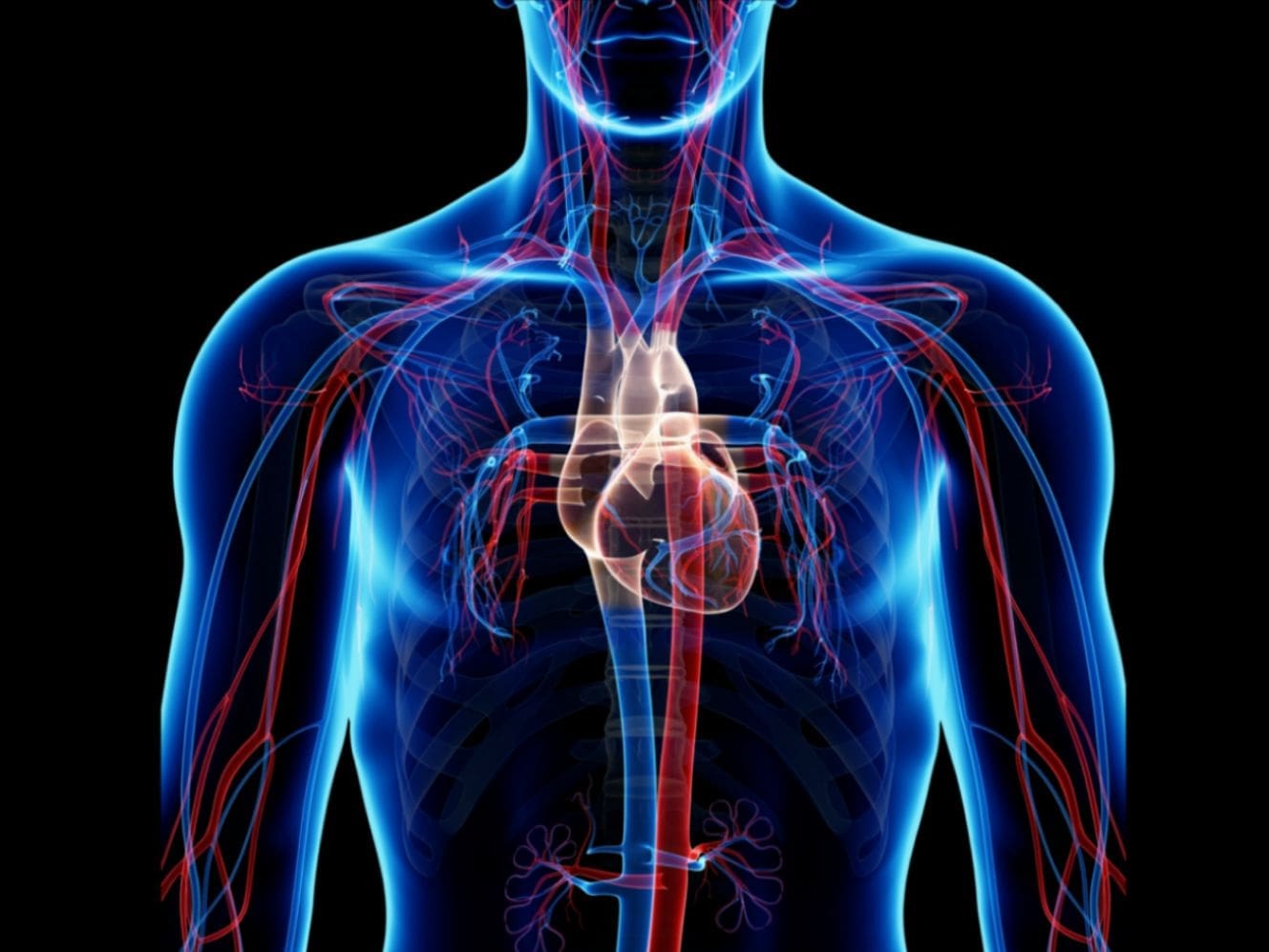
Cardiovascular disease (CVD) is primarily mediated by atherosclerosis—the inflammatory plaque buildup within arterial walls. Obesity-driven chronic inflammation accelerates endothelial injury, LDL oxidation, foam cell formation, smooth muscle proliferation, and plaque progression. The shared drivers—inflammation, oxidative stress, insulin resistance, and lipotoxicity—connect obesity to CVD via common pathways. These mechanisms explain why patients with obesity and diabetes face amplified cardiovascular risk and why effective obesity treatment reduces vascular events.
Nitric Oxide: The Critical Metabolic-Vascular Link
Nitric oxide (NO) is a linchpin between metabolic and vascular health:
- Vascularly, NO promotes vasodilation, reduces platelet aggregation, and mitigates endothelial inflammation and oxidation.
- Metabolically, NO enhances glucose clearance and insulin secretion and improves mitochondrial efficiency.
In chronic inflammation, NO bioavailability declines, worsening endothelial function, increasing the prothrombotic state, elevating triglycerides, and impeding glucose tolerance. Restoring metabolic health (via weight reduction and anti-inflammatory therapies) improves NO function and vascular health. This NO bridge helps explain how treating obesity can quickly improve blood pressure and lipids.
Unified Cardiometabolic Physiology: Inflammation, Oxidative Stress, and Insulin Resistance
Synthesizing these pathways reveals profound overlap:
- Inflammation from dysfunctional adipose tissue is foundational across obesity, diabetes, and CVD.
- Lipotoxicity—FFAs and ectopic fat in liver and pancreas—worsens insulin resistance and beta-cell stress.
- Mitochondrial dysfunction reduces energy production, increases ROS, and amplifies metabolic inefficiencies.
- Endothelial dysfunction connects metabolic disturbances to vascular pathology.
As these mechanisms co-occur, they foster prothrombotic and proatherogenic states. This shared biology validates treating obesity as central to cardiometabolic care. Addressing only downstream conditions—hypertension or dyslipidemia—without treating the root constitutes partial management.
Comparing Guidelines: Obesity, Diabetes, and Cardiovascular Disease
All major guidelines (OMA for obesity, ADA for diabetes, ACC/AHA for primary prevention of CVD) emphasize lifestyle interventions—nutrition, physical activity, behavioral strategies—as foundational. However, clinical practice varies:
- In diabetes or CVD, pharmacotherapy is typically initiated alongside lifestyle interventions, without requiring prior “failure”.
- In obesity, many systems still insist on lifestyle “failure” before pharmacotherapy, which ignores the biology of metabolic adaptation and the reality that most patients have attempted weight loss multiple times.
My practice aligns with evidence: anti-obesity medications should be offered early to counter dysregulated signals and make lifestyle changes more effective. This parallels diabetes care, where we add metformin without demanding prior lifestyle “failure.”
The Limited Power of Lifestyle Alone: Long-Term Outcomes
Long-term trials show that lifestyle-only interventions often yield modest weight loss (5.2–8.6% at year two), with most of the weight regained by year five. A1C reductions are modest (0.15–0.3%), and blood pressure changes vary. While lifestyle interventions are invaluable and must be integrated, the biology of obesity frequently requires pharmacotherapy to achieve therapeutically meaningful, durable outcomes.
The Benefits of Effectively Treating Obesity: Dose-Dependent Improvements
The benefits scale with weight loss:
- <5% weight loss: A1C reduction ~0.2–0.3%.
- 5–10% weight loss: Significant improvements in blood pressure, lipids, inflammation.
- > 15% weight loss: Disease-modifying effects; A1C reduction ~1% (comparable to many diabetes agents), potential deprescribing of antihypertensives and diabetes meds, and improved quality of life.
Even small reductions (1 kg) lower lipids; 10–15 lb often produce:
- Triglycerides: ?20 mg/dL
- LDL-C: ?6 mg/dL
- HDL-C: +2 to +2.5 mg/dL
Treating obesity delivers multifaceted cardiometabolic benefits, validating weight-focused strategies.
The Pharmacological Toolkit: Obesity vs. Diabetes and Cardiovascular Disease
Anti-Obesity Medications (AOMs)
We now have six primary classes (ten drugs) for chronic obesity management. These include:
- GLP-1 receptor agonists: Liraglutide (Saxenda), Semaglutide (Wegovy)
- Dual GIP/GLP-1 agonist: Tirzepatide (Zepbound)
- Sympathomimetic and combination agents: Phentermine; Phentermine/Topiramate ER (Qsymia)
- Naltrexone/Bupropion SR (Contrave)
- Orlistat (Xenical/Alli)
Key concepts:
- Early responder thresholds (e.g., ?4% loss at 16 weeks with liraglutide predicts ~8.5% at one year)
- Non-responder rates exist (~10% for GLP-1-based therapies), with a small fraction experiencing weight gain (~3%)
- The presence of diabetes may attenuate weight loss compared with non-diabetic patients.
These agents address hunger, satiety, gastric emptying, reward circuits, and energy balance. Careful titration, monitoring, and side effect mitigation are essential.
Diabetes Pharmacopeia: Extensive and Layered
Type 2 diabetes care features broad classes enabling combination therapy:
- Metformin
- SGLT2 inhibitors
- DPP-4 inhibitors
- Insulins
- TZDs
- GLP-1 RAs
ADA guidelines explicitly support layering therapies to reach targets. Obesity care increasingly applies combination strategies off-label, though formal guidelines are evolving.
Cardiovascular Pharmacology: Decades of Options
For hypertension and lipid management, clinicians possess dozens of agents across multiple classes, enabling nuanced, individualized care. Integrating metabolic considerations—favoring agents that are weight-neutral or weight-beneficial—improves obesity outcomes while addressing CVD.
Intersectional Therapies: GLP-1 RAs and SGLT2 Inhibitors
The LEADER (liraglutide) and SELECT (semaglutide) trials demonstrated reductions in MACE in their respective cohorts. SGLT2 inhibitors improve heart failure outcomes, even in non-diabetic patients. Modern prescribing recognizes this convergence; therapies can simultaneously improve weight, glucose, and cardiovascular endpoints.
Obesogenic Medications: Identifying and Replacing Iatrogenic Drivers
Common culprits:
- Diabetes: Sulfonylureas, insulins (some regimens), TZDs
- Cardiovascular: Older beta-blockers (e.g., metoprolol, atenolol)
These agents can increase appetite, impair energy regulation, or promote weight gain. I advocate for rigorous medication reviews and shared decision-making to substitute weight-neutral or weight-beneficial alternatives whenever possible. Patient stories, including my own experiences negotiating care plans to avoid obesogenic prescriptions, underscore how essential deprescribing is to success.
The Biology of Weight Regain: Chronic Care Is Required
Weight regain reflects metabolic adaptation—reduced energy expenditure, intensified ghrelin, and suppressed satiety hormones. The STEP 1 Extension showed rapid weight regain upon discontinuing semaglutide, with associated rises in A1C and blood pressure—even in participants without baseline hypertension or diabetes. This confirms obesity requires chronic therapy; we do not discontinue antihypertensives when blood pressure normalizes, nor should we discontinue AOMs when weight improves.
Clinical Case Study: Navigating Obesity and Prediabetes in a Young Adult
Introducing Stephen: Early Intervention at a Critical Juncture
Stephen, age 24, presented with Class I obesity (BMI 32.1 kg/m²) and prediabetes (A1C 5.8%). Family history included obesity, CVD, and diabetes. His waist circumference (41 inches) and acanthosis nigricans signaled visceral adiposity and insulin resistance. He reported stress-linked weight gain beginning in adolescence.
The Four Pillars Assessment
- Nutrition: 24-hour recall revealed liquid calories and refined carbohydrates.
- Physical Activity: Sedentary occupation; low structured exercise.
- Behavioral Health: Stress; probable sleep inefficiency; OSA risk (17-inch neck).
- Medical: No contraindications to AOMs; no pancreatitis, seizures, glaucoma, MTC, or MEN2.
Shared Decision-Making and Treatment Targets
I framed goals by therapeutic thresholds:
- Prediabetes improvement/remission typically requires> 10% weight loss.
- Established cardiometabolic conditions: often require 10–15% or more to modify disease trajectory.
Stephen’s goal was to achieve a clinically meaningful weight loss of 25–37.5 lb.
Plan: Nutrition, Activity, Behavioral Health, and Tirzepatide
- Nutrition: Calorie deficit (?500 to ? 750 kcal/day), protein and fiber emphasis, RD referral.
- Activity: Progressive steps target (begin at 3,000/day), resistance and aerobic goals.
- Behavior: Sleep hygiene, stress supports; screen for OSA if symptoms emerge.
- Medical: Initiate tirzepatide5 mg weekly x 4, then titrate.
Early follow-up showed tolerability, 3 lb weight loss, improved beverage choices, and step goal adherence. Dose increased to 5 mg, then up-titrated per protocol.
One-Year Outcome
- Weight: 250? 200 lb (?50 lb; 20% total body weight loss)
- A1C: 5.8% • 4% (prediabetes resolved)
- Waist/Neck: normalized
- Acanthosis: improved; skin tags persisted
Maintenance plan: continue tirzepatide 15 mg weekly, sustain lifestyle changes, three-month follow-ups for chronic disease care. Stephen’s case demonstrates prevention of diabetes progression and profound metabolic improvements with early, aggressive obesity treatment.
Clinical Case Study: Menopause, New-Onset Diabetes, and Central Adiposity—Victoria’s Course
Presentation
Victoria, 52, entered my practice a year prior and presented with weight gain (BMI 31.8 kg/m²), A1C 7.3%, fasting glucose 136 mg/dL, elevated triglycerides and LDL-C, significant vasomotor symptoms, poor sleep, high stress, and reduced activity.
Physiological Frame: Menopause and Metabolic Risk
Declining estradiol affects:
- Hypothalamic control of energy balance and satiety signaling.
- Visceral fat distribution and insulin sensitivity.
- Endothelial NO synthase, vascular tone, and lipids.
- Thermoregulation and sleep continuity, increasing sympathetic tone and nightly hyperglycemia.
- Lean mass and sarcopenia risk.
Appropriately timed MHT can improve vasomotor symptoms, sleep, and lipids, and indirectly support metabolic goals when integrated with lifestyle and pharmacotherapy.
Plan Sequencing
- Increase metformin to 2000 mg/day.
- Initiate short-term CGM for behavior feedback.
- Refer to menopause specialist for possible MHT.
- Nutrition: higher protein at each meal, eliminate sugary beverages.
- Consider semaglutide for weight and glycemic control.
CGM revealed postprandial spikes; behavior changes reduced excursions. MHT improved sleep and vasomotor symptoms. Semaglutide initiated at 0.25 mg weekly, titrated as tolerated.
One-Year Outcome
- Weight: 185? 160 lb
- BMI: 31.8 ? 27.5 kg/m²
- Circumferences: normalized
- A1C and lipids: improved substantively
Victoria’s case shows synergy: CGM guidance + MHT for Victoria’s sleep support + semaglutide for weight and glycemic control, all under an integrated plan.
Mechanistic Deep Dive: Menopause, Estradiol Decline, and Metabolic Remodeling
- Estradiol modulates hypothalamic POMC/CART neurons, mitochondrial function, and AMPK activity, thereby enhancing lipid oxidation and insulin sensitivity.
- Liver and muscle estrogen receptors regulate glucose uptake and lipogenesis; decline favors hepatic fat accumulation (MASLD) and dyslipidemia.
- Estradiol supports endothelial eNOS; its loss raises arterial stiffness and BP.
- Sleep fragmentation elevates sympathetic tone and cortisol levels, thereby impairing insulin sensitivity and increasing evening appetite.
- Sarcopenia reduces skeletal muscle glucose disposal.
Properly selected MHT:
- Improves vasomotor symptoms and sleep continuity.
- Favorably shifts lipids and may support endothelial function.
- Works best in concert with nutrition, activity, and GLP-1 RA therapy.
The Five Cs Framework for Obesity Pharmacotherapy
- Criteria: BMI ? 30 or ? 27 with comorbidity (T2D, hypertension, dyslipidemia, OSA, MASLD). Consider central adiposity (waist circumference).
- Contraindications: Screen for pancreatitis, MTC/MEN2, renal/hepatic status, seizure risk, glaucoma (for certain agents).
- Combination: Prefer agents that cover multiple domains (e.g., semaglutide for diabetes, weight, CVD); consider rational combos (GLP-1 RA + topiramate for cravings).
- Cues/Causes: Identify late-night eating, high glycemic load, sleep restriction, stress, and iatrogenic drivers; align pharmacology with dominant physiology.
- Cost/Coverage: Assess access; consider assistance programs, generics, and sequencing that fit the patient’s affordability.
This framework ensures practical, personalized, and sustainable pharmacotherapy.
Nutrition Strategy: Protein Distribution, Glycemic Load, and Circadian Timing
- Protein: Target 1.0–1.6 g/kg/day (adjust for clinical context), distribute across meals to enhance satiety and preserve lean mass; protein augments endogenous GLP-1 and PYY.
- Carbohydrates: Reduce refined carbs and sugary beverages; emphasize fiber-rich complex carbohydrates; pair carbs with protein/fat/fiber to blunt glycemic spikes.
- Fats: Favor unsaturated fats; manage saturated fats for LDL-C and apoB improvement.
- Meal Timing: Consider earlier-day caloric loading and avoid large late-night meals; align with circadian biology to reduce nocturnal hyperglycemia.
- CGM-Guided Adjustments: Use CGM to identify spike-inducing foods; implement 10–15-minute post-meal walks to reduce excursions.
Mechanistically, these changes improve incretin responses, insulin signaling, hepatic lipogenesis, and lipoprotein metabolism.
Physical Activity: Insulin Sensitivity and Cardiorespiratory Fitness
- Resistance Training: 2–3 days/week to preserve/build lean mass, increase GLUT4 translocation, and enhance insulin sensitivity.
- Aerobic Activity: 150–300 minutes/week moderate intensity or 75–150 minutes/week vigorous intensity; improves CRF—a robust predictor of CVD and mortality.
- Practical Prescriptions: Start with short postprandial walks; employ simple resistance circuits; use “exercise snacks” (brief bursts) for busy schedules.
Exercise improves insulin signaling, capillary density, and mitochondrial function, advancing metabolic flexibility.
Sleep and Stress: Hidden Determinants of Appetite and Glycemic Control
- Sleep: Restriction elevates ghrelin, lowers leptin, increases evening appetite, and impairs insulin sensitivity; treat OSA when suspected; implement sleep hygiene (consistent schedule, reduced evening light, cool environment).
- Stress: Chronic stress increases cortisol and catecholamines, driving comfort eating and central adiposity; teach diaphragmatic breathing, mindfulness, CBT-based strategies for stress eating.
Biologically, improved sleep and stress balance enhance vagal tone, reduce sympathetic overdrive, and normalize appetite regulation.
Medications Aligned with Physiology: Metformin, GLP-1 RAs, SGLT2 Inhibitors, and Adjuncts
- Metformin: Reduces hepatic gluconeogenesis via AMPK pathways; weight-neutral to modest loss; pairs well with GLP-1 RAs.
- GLP-1 RAs (e.g., semaglutide, liraglutide): Reduce appetite, improve glucose-dependent insulin secretion, suppress glucagon; slow gastric emptying early; strong weight and A1C efficacy; CV benefits in selected populations.
- SGLT2 inhibitors: Provide glycosuria-driven glucose reduction; modest weight loss; BP reduction; robust cardio-renal benefits (HF, CKD).
- Adjuncts (e.g., topiramate): Reduce evening cravings; monitor for cognitive effects and paresthesias; useful in plateaus.
- Deprescribing: Remove weight-promoting agents such as sulfonylureas when starting GLP-1 RAs; reassess beta-blockers and diuretics in the context of changing physiology.
Choose agents that serve multiple goals, titrate slowly, and maintain open communication to manage side effects.
Clinical Case Study: Cardiorenal Risk and MASLD—Benny’s Course
Presentation
Benny, 64, with prior MI, long-standing diabetes (25 years), hypertension, hyperlipidemia, OSA, BMI 36 kg/m², and an extensive medication list including sitagliptin and glipizide, presented with substantial cardiometabolic risk. Despite A1C near goal (6.5–6.6%), his weight and comorbidities warranted an integrated plan.
Rationale and Plan
Given his CVD history and obesity, semaglutide offered weight reduction and cardiometabolic risk benefits. I discontinued sitagliptin and glipizide to reduce hypoglycemia risk and weight gain potential, anticipating semaglutide’s incretin effects. Labs showed a mildly elevated semaglutide-4 level of 2.25 (high fibrosis risk), prompting referral for transient elastography and hepatology oversight.
One-Year Outcome and Plateau
- Weight: 230? 207 lb (?10%)
- A1C: 6.6% 5.9%
- Hepatology initiated resmetirom for fibrosis per assessment.
- Cardiologist reduced metoprolol.
- New issue: evening cravings and stress eating; weight loss slowing.
I added topiramate (25 mg nightly, then 50 mg) to address hyperphagia. We monitored appetite, sleep, cognition, and overall trajectory, and reinforced nutrition and stress management practices. Benny’s case demonstrates the need for multidomain therapy. Targeted adjuncts can overcome plateaus when coordinated with hepatology and cardiology.
MASLD: Screening, Stratification, and Treatment Alignment
Patients with diabetes and obesity have high MASLD prevalence. A scalable approach:
- FIB-4 (age, AST, ALT, platelets) for primary stratification.
- Intermediate/high scores: elastography or ELF testing and GI/hepatology referral.
- Lifestyle and weight reduction are central; GLP-1 RAs and SGLT2 inhibitors may indirectly improve hepatic parameters.
- Disease-specific agents (e.g., resmetirom) are specialist-directed.
Mechanistically, insulin resistance drives hepatic de novo lipogenesis; visceral fat releases FFAs into portal circulation, exacerbating hepatic steatosis and inflammation. Weight loss and improved insulin sensitivity reduce hepatic fat and inflammatory signaling.
Cardiovascular Risk Reduction: Integrated Metabolic Care
Beyond A1C:
- Reduce ASCVD risk via weight reduction, BP control, lipid management, smoking abstinence.
- Choose agents with proven CV benefits (GLP-1 RAs, SGLT2 inhibitors).
- Optimize lipids: statins as foundation; add non-statins when needed.
- Individualize BP targets; favor metabolically neutral or beneficial agents.
Weight loss stabilizes sympathetic tone, improves endothelial function, and lowers inflammatory burden.
CGM in Non-Insulin Diabetes: Behavior Science Meets Physiology
CGM provides real-time feedback:
- Patients identify spike-inducing meals and learn how short walks blunt peaks.
- Metrics like time-in-range (TIR), time-above-range, and variability become daily goals.
- Behavioral change accelerates because physiology becomes visible and actionable.
Blunting postprandial spikes reduces glucotoxicity and oxidative stress, aiding beta-cell function and endothelial health.
Sleep, OSA, and Metabolism: The Nighttime Battlefield
Treat OSA and improve sleep:
- Better BP and glycemia.
- Reduced evening appetite and improved morning energy.
- Sturdier adherence to exercise and nutrition plans.
Screen for OSA with snoring, neck circumference, and daytime somnolence. Implement sleep hygiene to normalize circadian rhythms and appetite regulation.
Chiropractic Care & Metabolism *The Hidden Link*- Video
Stress and Cravings: Neuroendocrine Drivers and Practical Tools
Chronic stress heightens amygdala reactivity and dampens prefrontal control, driving hedonic eating. Brief daily breathing practices (4–6 breaths/min), mindfulness, and CBT techniques restore top-down regulation. Pair structured stress strategies with routine (e.g., pre-dinner breathing) to reduce evening hyperphagia and improve glycemic stability.
Deprescribing for Metabolic Benefit
Rational polypharmacy includes removing agents that counter progress:
- Discontinue sulfonylureas when initiating GLP-1 RAs to reduce hypoglycemia and weight gain.
- Reassess beta-blockers, diuretics, and other agents as physiology changes with weight loss.
- Align medications with metabolic goals, cardioprotective needs, and patient preferences.
Implementation Blueprint: From First Visit to Long-Term Maintenance
- Baseline Assessment: Anthropometrics (weight, BMI, waist, neck), vitals, labs (A1C, fasting glucose/insulin, lipids, CMP, urine ACR), FIB-4, sleep/stress screening, medication inventory for weight effects.
- Patient Priorities: Co-create goals (energy, sleep, mobility, glycemic stability, weight milestones).
- Quick Wins: Eliminate sugary beverages; add post-meal walks; include protein at breakfast.
- CGM Trial: 10–14 days to inform nutrition and activity.
- Medication Plan: Optimize metformin; add GLP-1 RA; consider SGLT2 inhibitor; consider adjuncts for cravings/plateaus (e.g., topiramate).
- Specialist Referrals: Menopause specialists for MHT; hepatology/GI for elevated FIB-4; RD for nutrition therapy; cardiology as needed.
- Follow-Up Structure: Every 2–4 weeks early; monthly until stable; every 3–6 months for maintenance.
- Maintenance Strategy: Anticipate plateaus, adjust nutrition/activity/meds; celebrate non-scale victories (TIR, sleep quality, stamina); reassess goals annually.
Why These Techniques Work: Linking Protocols to Physiology
- Metformin: Lowers hepatic glucose production; improves insulin signaling via AMPK; reduces fasting glucose and A1C.
- GLP-1 RAs: Reduce appetite, restore incretin physiology, lower postprandial glucagon, and decrease glycemic variability; drive substantial weight loss and cardiometabolic improvements.
- Protein Distribution: Enhances satiety (GLP-1, PYY, CCK), stabilizes glucose responses, preserves lean mass.
- Resistance Training: Increases GLUT4, lean mass, and insulin sensitivity; major sink for glucose disposal.
- Sleep Optimization: Improves leptin/ghrelin balance, reduces evening appetite, stabilizes circadian rhythms.
- Stress Reduction: Lowers cortisol and sympathetic tone, improves metabolic flexibility, reduces hedonic drives.
- CGM Feedback: Makes physiology visible; accelerates habit formation and adjustment through immediate reinforcement.
Common Barriers and Solutions
- Cost/Coverage: Use appeals, assistance programs, and agents with broader coverage; intermittent CGM or professional CGM trials when needed.
- Side Effects: Slow titration of GLP-1 RAs; portion control; hydration; temporary antiemetics; dietary fat modulation.
- Adherence Drift: Employ CGM “booster” weeks, reminders, family involvement, and reinforce all wins.
- Weight Plateau: Reassess protein/fiber/activity; adjust medications; address sleep and stress; consider adjuncts (topiramate) when appropriate.
HealthVoice360 Clinical Observations Integrated with Evidence
In my practice:
- Patients engage more consistently when they see data (CGM, weight trends, step counts).
- Evening hyperphagia often tracks with stress and sleep restriction; targeted interventions yield outsized benefits.
- Menopausal symptom relief (via MHT) improves adherence to movement and meal-planning.
- Rational polypharmacy—aligning therapies with physiology and goals—simplifies care and improves outcomes.
Long-Term Outcomes: Sustaining Benefits and Preventing Relapse
Maintenance requires:
- Structured routines for meals, movement, and sleep.
- Accountability (scheduled check-ins, trackers).
- Flexibility during life transitions.
- Relapse planning: recognize early warning signs (stress spikes, sleep debt, skipped protein) and act promptly.
Biologically, sustained weight loss reduces adipose inflammation, improves insulin sensitivity, and stabilizes cardiometabolic markers, supporting long-term health.
Ethical Use of Pharmacotherapy and Patient Autonomy
I prioritize shared decision-making, transparent counseling, and respect for patient preferences. We regularly reassess therapy, deprescribe when appropriate, and coordinate care across disciplines to ensure safety and effectiveness.
Practice Toolkits and Checklists
- Nutrition: Protein at each meal; beverage scan; fiber plan; meal timing strategy.
- Sleep/Stress: Bedtime routine; device curfew; breathing practice; stress-eating contingency plan.
- CGM Interpretation: TIR targets; identify spike patterns; set micro-goals; leverage post-meal walks.
- Medication Titration: Schedule, expected effects, and side-effect mitigation playbook.
Case Reflections: What These Stories Teach
- Victoria’s case shows that the menopausal transition heightens metabolic vulnerability; MHT (when appropriate), CGM, and GLP-1 RAs can synergize to reduce weight and improve A1C and lipids.
- Benny’s case demonstrates that cardiometabolic risk guiBenny’srapy choices even when A1C appears controlled; GLP-1 RAs offer multidomain benefits, FIB-4 is essential for fibrosis screening, and adjuncts like topiramate can overcome cravings-related plateaus.
- Stephen’s case proves that early, decisive tirzepatide therapy in prediabetes can prevent diabetes and produce profound, durable weight loss, especially when integrated with structured lifestyle supports and chronic care follow-ups.
Summary
This educational post synthesizes the latest evidence and clinical insights showing that treating obesity is foundational to achieving the core goals of diabetes and cardiovascular care: improved A1C, reduced ASCVD risk, better renal and hepatic outcomes, and sustained quality of life. We reframed obesity as a biologically driven disease, explained the two-hit model (hormonal dysregulation and metabolic adaptation), and connected inflammation-driven mechanisms to impaired nitric oxide signaling and vascular dysfunction. The discussion demonstrated why lifestyle interventions, though essential, often require anti-obesity medications to counter dysregulated hunger and satiety signals and to prevent weight regain.
We compared guideline strategies across obesity, diabetes, and cardiovascular disease, arguing for early pharmacotherapy alongside lifestyle changes, and detailed the pharmacological landscape—GLP-1 RAs (semaglutide, liraglutide), dual incretin therapy (tirzepatide), combination agents, and adjunctive therapies like topiramate for cravings—while highlighting non-responder rates and early responder thresholds. We emphasized the importance of identifying and replacing obesogenic medications (sulfonylureas, TZDs, older beta-blockers), reviewed long-term data showing rapid weight regain after AOMs are discontinued (STEP 1 Extension), and showcased real-world cases in which early, integrated care produced therapeutic weight loss and prevented progression to diabetes.
We expanded on the physiology of menopause and MHT in metabolic care, introduced CGM for behavioral feedback in non-insulin-treated diabetes, and walked through MASLD screening using FIB-4 and elastography, aligning hepatic care with cardiometabolic strategies. Practical frameworks like the Five Cs guided pharmacotherapy choices, and we linked every technique—nutrition, resistance training, sleep optimization, stress reduction, CGM—to its physiological rationale. We addressed common barriers (cost, coverage, side effects) and provided maintenance strategies to sustain outcomes. The net result is a patient-centered, system-aware model that treats the root cause—obesity—to untangle the cardiometabolic knot.
Conclusion
Obesity, prediabetes/type 2 diabetes, and cardiovascular disease are overlapping manifestations of a single cardiometabolic spectrum. Inflammation, lipotoxicity, mitochondrial dysfunction, and endothelial impairment are linked by shared biology. Treating obesity early and decisively—using GLP-1 RAs and tirzepatide alongside structured lifestyle interventions—delivers dose-dependent improvements in A1C, lipids, blood pressure, and quality of life, and reduces long-term morbidity. CGM transforms metabolism into actionable insights; MHT (when indicated) supports symptom relief and metabolic adherence; and MASLD screening via FIB-4 identifies patients who need hepatic assessment. Deprescribing and rational polypharmacy ensure alignment with metabolic goals.
This integrated model is iterative, relational, and grounded in compassionate care. It replaces shame with science, acknowledges obesity as a chronic disease, and commits to long-term maintenance to counter metabolic adaptation. By treating the root, we rewire the cardiometabolic trajectory—preventing diabetes in high-risk young adults, restoring metabolic balance in menopausal women, and reducing event risk in patients with complex cardiometabolic histories. The approach is realistic, data-driven, and achievable when clinicians and patients engage as partners and align therapy with physiology, preferences, and access.
Key Insights
- Obesity as a Chronic Disease: It is biologically driven by hormonal and neuroendocrine dysregulation; the body defends higher weights via metabolic adaptation, necessitating chronic care.
- Inflammation and NO Impairment: Chronic inflammation underlies obesity, diabetes, and CVD; impaired nitric oxide bioavailability bridges metabolic and vascular dysfunction.
- Treat the Root: Addressing obesity improves A1C, lipids, blood pressure, sleep, and quality of life; even small weight reductions yield lipid benefits.
- Early Pharmacotherapy: Anti-obesity medications are tools to counter biology, not crutches; initiate them alongside lifestyle interventions rather than after “failure.”
- CGM for Behavior Change: In non-insulin-treated diabetes, CGM reveals postprandial spikes, accelerates habit formation, and improves time-in-range.
- Menopause Integration: Properly timed MHT can relieve symptoms, improve sleep, and support metabolic goals; combine with GLP-1 RAs and lifestyle care.
- MASLD Screening: Use FIB-4 for fibrosis risk stratification; refer for elastography when elevated; integrate hepatic care with metabolic strategies.
- Deprescribing: Remove obesogenic medications when possible; rationalize polypharmacy to align with metabolic and cardiovascular outcomes.
- Maintenance: Anticipate plateaus; adjust nutrition, activity, and medications; employ stress and sleep strategies; schedule regular follow-ups to sustain results.
- Team-Based Care: Engage dietitians, menopause specialists, hepatology, cardiology, and behavioral health to deliver comprehensive, patient-centered outcomes.
References
- Jensen, M. D., Ryan, D. H., Apovian, C. M., Ard, J. D., Comuzzie, A. G., Donato, K. A., … & Loria, C. M. (2014). 2013 AHA/ACC/TOS guideline for the management of overweight and obesity in adults. Circulation, 129(25_suppl_2), S102–S138.
- ElSayed, N. A., Aleppo, G., Aroda, V. R., Bannuru, R. R., Brown, F. M., Bruemmer, D., … & Gabbay, R. A. (2023). Obesity and weight management for the prevention and treatment of type 2 diabetes: Standards of care in diabetes—2023. Diabetes Care, 46(Supplement_1), S128–S139.
- Arnett, D. K., Blumenthal, R. S., Albert, M. A., Buroker, A. B., Goldberger, Z. D., Hahn, E. J., … & Ziaeian, B. (2019). 2019 ACC/AHA guideline on the primary prevention of cardiovascular disease. Circulation, 140(11), e596–e646.
- Wilding, J. P. H., Batterham, R. L., Calanna, S., Davies, M., Van Gaal, L. F., Lingvay, I., … & Wadden, T. A. (2021). Once-weekly semaglutide in adults with overweight or obesity. NEJM, 384(11), 989–1002.
- Rubino, D. M., Greenway, F. L., Kent, K., Arslanian, S., Tchang, B., Hemmingsson, E., … & STEP 4 Study Group. (2022). Semaglutide vs placebo on weight loss maintenance. JAMA, 327(12), 1163–1174.
- Lin, X., & Li, H. (2021). Obesity: epidemiology, pathophysiology, and therapeutics. Frontiers in Endocrinology, 12, 706978.
- Pahwa R, Jialal I. Atherosclerosis. In: StatPearls [Internet]. Treasure Island (FL): StatPearls Publishing; 2024.
- Pothineni, N. V. K., Shah, S., Rochlani, Y., Kovelamudi, S., Romeo, F., & Mehta, J. L. (2017). The role of nitric oxide in CVD pathophysiology. Cardiology in Review, 25(4), 174–183.
- Marso, S. P., Daniels, G. H., Brown-Frandsen, K., Kristensen, P., Mann, J. F., Nauck, M. A., … & LEADER Investigators. (2016). Liraglutide and CV outcomes in T2D. NEJM, 375(4), 311–322.
- Ryan, D. H., & Yockey, S. R. (2017). Weight loss and comorbidity improvement at 5%, 10%, 15%+. Current Obesity Reports, 6(2), 187–194.
- American Diabetes Association. Standards of Care in Diabetes—2025. Diabetes Care, 48(Supplement 1).
- Jastreboff, A. M., Aronne, L. J., Ahmad, N. N., Wharton, S., Connery, L., Alves, B., … & SURMOUNT-1 Investigators. (2022). Tirzepatide once weekly for obesity. NEJM, 387(3), 205–216. (With late-2024 data updates on diabetes prevention.)
- Canadian Adult Obesity Clinical Practice Guidelines. CMAJ, 192(31), E875–E891.
- Hepatology Society guidance on MASLD: recommendations for FIB-4, elastography, and ELF testing.
Keywords
Obesity Pathophysiology, Metabolic Adaptation, Weight Regain, GLP-1 Receptor Agonists, Tirzepatide, Semaglutide, Prediabetes, Type 2 Diabetes, Cardiovascular Disease, Nitric Oxide, Endothelial Dysfunction, Lipotoxicity, Mitochondrial Dysfunction, CGM, Menopause, MHT, MASLD, FIB-4, Elastography, Stress Eating, Sleep Optimization, Resistance Training, Protein Distribution, Obesogenic Medications, Deprescribing, HealthVoice360, Dr. Alexander Jimenez DC APRN FNP-BC.
Disclaimer: The information in this educational post is for informational purposes only and is not a substitute for professional medical advice, diagnosis, or treatment. Do not use this content to make medical decisions. Always seek the guidance of your physician or another qualified healthcare provider for any questions regarding a medical condition or treatment.
Personal Medical Advice Disclaimer: All individuals must obtain recommendations tailored to their personal medical situations from their own medical providers before initiating, stopping, or changing medications, diet, or lifestyle.