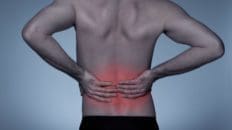
Learn about neuropathic pain with integrative management to discover new ways to alleviate discomfort and promote healing.
Table of Contents
Abstract
In this educational post, I present a detailed first-person analysis of a complex inpatient pain case involving severe neuropathic thoracic pain following procedural trauma. As a dual-licensed Doctor of Chiropractic and Family Nurse Practitioner, I focus on bridging pharmacologic precision with hands-on chiropractic care and regenerative techniques to deliver safer, more effective outcomes.
We explore opioid rotation principles, the recognition and management of opioid-induced hyperalgesia (OIH), strategic use of adjuvants, and the critical role of pharmacokinetics in titration. The case highlights how post-procedural intercostal nerve irritation triggered intense allodynia, hyperalgesia, and central sensitization. I detail the step-by-step implementation of Patient-Controlled Analgesia (PCA), transition to methadone for its unique NMDA-antagonist properties, and—most importantly—the integration of chiropractic thoracic adjustments and ultrasound-guided platelet-rich plasma (PRP) injections to address biomechanical contributors and support peripheral nerve repair.
This multimodal, whole-person approach reduced reliance on high-dose opioids, restored function, and allowed a meaningful discharge plan focused on sustained comfort and quality of life. The post is educational only and not medical advice.
—
Comprehensive Case Overview
A 70-year-old woman was admitted after a thoracentesis for pleural effusion was complicated by pneumothorax requiring chest tube placement, followed by video-assisted thoracoscopic surgery (VATS) with pleural biopsy. The biopsy revealed inflammatory and reactive changes without evidence of malignancy.
She developed severe right-sided thoracic pain far beyond expected post-procedural discomfort. The pain followed a T4–T8 dermatomal distribution, described as “thousands of stinging electric shocks,” with marked allodynia and hyperalgesia. It had initially been labeled postherpetic neuralgia despite the absence of a documented rash. The respiratory exam showed decreased right-sided breath sounds; the chest tube was removed after a palliative consultation. Labs revealed hypoalbuminemia, hypomagnesemia, and mild leukocytosis. She had lost 20 lb, with anorexia, fatigue, constipation, and mild bilateral edema. Pregabalin caused dizziness, confusion, and tremor. EMG showed only mild peripheral polyneuropathy, insufficient to explain the focal thoracic findings; brain MRI was unremarkable.
My initial assessment focused on procedure-related intercostal neuralgia with significant peripheral and central sensitization. Chest tube and VATS manipulation likely caused direct intercostal nerve irritation, ectopic firing, and neuroinflammation that amplified pain signaling. Biomechanical guarding further restricted thoracic mobility, perpetuating the cycle.
—
PQRSTU Pain Assessment
Using the PQRSTU framework:
- Precipitating/Palliating: Minimal relief from prior gabapentin; pregabalin provoked neurologic side effects. PCA hydromorphone gave temporary relief.
- Quality: Electric, burning, shock-like — classic neuropathic descriptors with prominent allodynia and hyperalgesia.
- Region/Radiation: Right T4–T8 dermatomes; tender to light touch.
- Severity: Worst 7/10, current 5/10; patient’s realistic target 3/10.
- Temporal: Relief lasted only 30–45 minutes, indicating inadequate basal coverage.
- You (Impact): Profound interference with sleep, ambulation, appetite, and cognition.
—
Neurobiology of Neuropathic Pain and the Role of Chiropractic & PRP
Persistent nociception from intercostal nerve injury upregulates voltage-gated sodium and calcium channels, lowers activation thresholds, and drives central sensitization via NMDA receptor facilitation and glial activation (IL-1?, TNF-?). Descending inhibitory pathways (serotonergic/noradrenergic) are often impaired by stress, poor sleep, and malnutrition.
- Chiropractic contribution: Thoracic spinal manipulation and mobilization increase mechanoreceptor afferent input, engaging gate-control mechanisms at the dorsal horn and enhancing descending inhibition. Gentle adjustments also restore segmental mobility and reduce paraspinal hypertonicity that mechanically stresses irritated nerves.
- PRP contribution: Ultrasound-guided PRP delivers concentrated autologous growth factors (PDGF, TGF-?, VEGF, IGF-1) that modulate neuroinflammation, support angiogenesis, and promote nerve tissue repair and remyelination in areas of peripheral nerve injury. This regenerative approach complements pharmacologic strategies by targeting the peripheral driver of sensitization.
—
Differential Diagnosis
Primary considerations were post-procedural intercostal neuralgia, zoster sine herpete, and amplified central sensitization from biomechanical dysfunction. Mild polyneuropathy on EMG did not explain the focal dermatomal findings. No malignant process was identified.
—
Opioid Rotation, Titration, and Pharmacokinetics (Core Principles)
When an opioid regimen loses effectiveness, rotation exploits incomplete cross-tolerance at mu-receptor subtypes. Pharmacokinetics dictate speed: long half-life, highly lipophilic agents (methadone) require slow titration (often 4–7 days between increases) to avoid accumulation and respiratory depression. Short-acting agents allow faster adjustments every 1–2 days.
Dose escalation rules of thumb (always individualized):
- Mild-moderate uncontrolled pain: 25–50% increase in total daily dose.
- Moderate-severe pain: 50–100% increase.
When converting to scheduled long-acting or PCA, calculate 24-hour opioid consumption, convert ~75% to basal/scheduled, and reserve 25% for breakthrough. PRN breakthrough dose is typically 10–15% of the total daily dose, offered every 3–4 hours (more cautiously in elderly or organ-impaired patients).
—
Adjuvant Neuropathic Agents and Supportive Care
Gabapentinoids were trialed but caused dizziness, confusion, and edema. We pivoted to low-dose nortriptyline at bedtime and considered duloxetine. Topical lidocaine 5% patches over the T4–T8 territory provided focal relief. Scheduled IV acetaminophen (up to 3 g/day, adjusted for age/liver status) offered opioid-sparing basal analgesia. Short-course dexamethasone helped with neuroinflammation and appetite when appropriate.
Synergy with chiropractic and PRP: These adjuvants reduce central excitability while chiropractic restores mechanical input and PRP supports peripheral nerve healing — a true multimodal attack on multiple pain mechanisms.
—
Recognizing and Managing Opioid-Induced Hyperalgesia (OIH)
After initial regimen adjustments (increased long-acting morphine, added oxycodone PRN, nortriptyline, carbamazepine), the patient experienced hallucinations (later attributed to dronabinol) and paradoxical worsening of diffuse pain despite dose increases. Classic OIH signs emerged: myoclonus, allodynia out of proportion, pain spreading beyond the original territory, and poor response to further opioid escalation.
- Pathophysiology recap: Toxic metabolites, NMDA activation, increased spinal dynorphin, descending facilitation from the rostral ventromedial medulla, and PKC-mediated neuronal hyperexcitability transform the nervous system into an amplifier of pain.
- Management: Stop or reduce the offending opioid, ensure hydration, rotate to an agent with fewer neurotoxic metabolites (e.g., hydromorphone), aggressively optimize non-opioid adjuvants, and consider NMDA modulation. Chiropractic input and PRP can further dampen peripheral drivers and central amplification, often permitting lower opioid doses.
Polypharmacy vigilance and clear team communication (shared notes, explicit “hold/change” rules) prevented revolving-door medication changes.
—
Transition to PCA and Data-Driven Adjustments
With nausea limiting oral intake and pain escalating, we transitioned to IV morphine PCA. Total prior 24-hour consumption was approximately 130 oral morphine milligram equivalents (MME). After 25% reduction for incomplete cross-tolerance and safety, the 24-hour IV morphine target was ~32.5 mg. We initiated a basal rate of 0.5 mg/hr with a 0.5 mg bolus every 15 min (4-hour max: 10 mg).
After 24 hours, the patient had 24 successful boluses, but 124 denied attempts and awoke in severe pain — clear evidence of inadequate basal rate. Basal was increased to 1 mg/hr. Response remained suboptimal, prompting rotation to hydromorphone PCA (basal 0.2 mg/hr, bolus 0.3 mg every 15 min) based on the patient’s report that hydromorphone had worked better previously.
—
Methadone for Refractory Neuropathic Pain with OIH Features
Methadone was introduced for its dual action: mu-opioid agonism plus NMDA receptor antagonism — ideal for mixed nociceptive-neuropathic pain and OIH. Its long, variable half-life (often 16–80 hours) and high lipophilicity require slow titration and close monitoring (baseline and follow-up ECGs for QTc, especially at>40 mg/day).
Conversion approach (for high MME >300/day): Start conservatively at 5 mg every 8 hours, titrate by no more than 50% no sooner than every 4 days while using a short-acting opioid for breakthrough. Cross-taper from the current opioid over several days. In this case, we started 5 mg q8h and titrated to 10 mg q8h while weaning the hydromorphone PCA basal rate 30% daily.
Movement Medicine: Chiropractic Care- Video
—
Integrating Chiropractic Care and Ultrasound-Guided PRP Therapy — The Regenerative Turning Point
Once methadone provided a more stable foundation and OIH features subsided, we addressed biomechanical and peripheral nerve contributors directly.
- Chiropractic assessment and intervention: Examination revealed marked right thoracic hypomobility (T4–T8), restricted rib excursion, and paraspinal hypertonicity from chronic guarding. Gentle, low-force thoracic spinal manipulative therapy and mobilization were performed, coordinated with the patient’s overall stability. These interventions improved segmental motion, reduced mechanical stress on intercostal nerves, increased mechanoreceptor input (gate control), and enhanced descending inhibition. The patient noted immediate improvement in allodynia and breathing comfort.
- Ultrasound-guided PRP therapy: We prepared autologous PRP and, under real-time ultrasound guidance, injected targeted areas around the right T4–T8 intercostal nerves and adjacent paravertebral tissues. Growth factors delivered directly to the site of nerve irritation and neuroinflammation supported tissue repair, modulated local inflammation, and promoted nerve healing. This regenerative step complemented methadone’s central NMDA effects and allowed further safe reduction in opioid requirements.
These additions produced a profound shift: pain scores dropped to tolerable levels (< 3/10), nighttime awakenings ceased, appetite improved, and participation in gentle physical therapy became possible. The hydromorphone PCA was weaned to PRN only, and the methadone dose was successfully tapered.
—
Multidisciplinary Support and Goals of Care
A coordinated team (pain management, chiropractic, nursing, social work, chaplaincy, nutrition, physical therapy) addressed the full bio-psycho-social-spiritual impact. Cognitive-behavioral strategies, sleep hygiene, electrolyte repletion, and gentle graded mobilization reduced central sensitization. Clear, shared documentation and daily communication checkpoints prevented conflicting interventions.
Goals evolved dynamically toward comfort, functional restoration, and quality time with family — not a terminal shift, but a realistic focus on maximizing independence and meaningful activity at home.
—
Outcome and Discharge
After approximately 30 days of intensive multimodal care, the patient achieved stable, tolerable pain control with dramatically reduced opioid needs. She was discharged home with her husband on a simplified regimen (low-dose methadone with close monitoring, scheduled acetaminophen, nortriptyline, topical lidocaine, and as-needed short-acting opioid). Outpatient plan included ongoing chiropractic thoracic care for mobility and posture maintenance, plus consideration of additional PRP sessions if neuropathic features recurred.
At home, she continued to improve. One follow-up chiropractic adjustment and PRP session further consolidated gains. Nausea resolved as pain control improved and polypharmacy was minimized. She regained meaningful interaction with family and reported significantly better sleep and function.
—
Summary, Conclusion, and Key Insights
This case demonstrates that refractory post-procedural neuropathic thoracic pain with central sensitization can be successfully managed through precise opioid rotation, recognition of OIH, strategic adjuvants, and — crucially — the integration of chiropractic spinal manipulation and ultrasound-guided PRP therapy.
Key Insights
- Pharmacokinetics must guide every opioid decision; long-acting agents like methadone require patience and expertise.
- OIH is real and under-recognized — worsening pain with dose escalation plus allodynia or myoclonus should prompt rotation and multimodal pivot rather than further escalation.
- Chiropractic care restores biomechanical function, modulates afferent input, and enhances descending inhibition — essential non-pharmacologic tools in any neuropathic pain plan.
- Ultrasound-guided PRP delivers targeted regenerative growth factors that support peripheral nerve repair and reduce neuroinflammation, often enabling meaningful reductions in opioid doses.
- True integration of DC and APRN skill sets within a single clinician (or a tightly coordinated team) enables the seamless combination of hands-on, regenerative, and pharmacologic interventions.
- Multidisciplinary communication and dynamic goals-of-care conversations remain the foundation of safe, patient-centered care.
This educational case illustrates how an evidence-based, whole-person approach — blending advanced pharmacology with chiropractic precision and regenerative medicine — can transform outcomes in even the most challenging neuropathic pain presentations.
Keywords
Neuropathic pain, Intercostal neuralgia, Post-procedural pain, Central sensitization, Allodynia, Opioid-induced hyperalgesia (OIH), Opioid rotation, methadone for pain, PCA, Chiropractic spinal manipulation, Thoracic adjustments, Ultrasound-guided PRP, Regenerative medicine, Multimodal pain management, Dr. Alexander Jimenez, DC, APRN, FNP-BC, El Paso pain management.
References
- Angst & Clark (2006) on OIH; Finnerup et al. (2015) neuropathic pain pharmacotherapy
- Knotkova et al. (2009) on opioid rotation
- Mercadante & Portenoy (2016) on cancer/non-cancer pain rotation principles
- Deer et al. (2017) intrathecal considerations (for context)
- Plus literature on spinal manipulation for chronic neuropathic/radicular pain and PRP in peripheral nerve injury models
Educational Disclaimer
This content is for informational and educational purposes only. It is not medical advice. Individual patient care requires personalized evaluation by qualified clinicians. Always consult current guidelines, institutional protocols, and the patient’s full clinical picture.
Thank you for reading. Questions or discussion are welcome — my contact information is available on the clinic sites.