Learn effective non-pharmaceutical strategies in chronic care to manage health and boost quality of life for patients.
Table of Contents
Abstract: Integrative, Evidence-Based Non-Pharmaceutical Strategies for Acute and Chronic Disease Management
I am Dr. Alexander Jimenez, dual-credentialed as a Doctor of Chiropractic (DC) and a Family Nurse Practitioner-Advanced Practice Registered Nurse (FNP-APRN, board-certified). In my clinical practice—and in collaboration with leading researchers using modern, evidence-based methods—I have witnessed and documented how non-pharmaceutical strategies can profoundly improve health outcomes across acute and chronic conditions. This educational post synthesizes contemporary research with my clinical observations, many of which I have shared at healthvoice360.com, to present a comprehensive, patient-centered pathway that integrates lifestyle medicine, mind-body practices, physical therapies, precision nutrition, advanced nutraceuticals, microbiome modulation, and technology-enabled personalization alongside conventional care.
I begin by clarifying the philosophical and scientific foundations of integrative and functional medicine, emphasizing a systems-biology lens that seeks root causes—such as chronic inflammation, neuroendocrine dysregulation, gut dysbiosis, mitochondrial inefficiency, and environmental exposures—rather than merely suppressing symptoms. I then trace the historical mainstreaming of complementary approaches in the United States, showing how robust patient demand, NIH/NCCIH support, and adoption by major academic centers have propelled these modalities into standard care.
Next, I categorize major non-pharmaceutical interventions—highlighting key terms such as mind-body practices, physical and manipulative therapies, lifestyle interventions, herbal and botanical medicine, and nutrition-based therapies—and explain their mechanisms with accessible physiological detail. You will see how cognitive-behavioral therapy can reshape pain perception through prefrontal-amygdala modulation, how aerobic activity lowers blood pressure via improved endothelial nitric oxide bioavailability, and how anti-inflammatory diets down-regulate NF-?B and cytokine cascades. I present case-based applications across hypertension, type 2 diabetes, hyperlipidemia, depression, osteoarthritis, respiratory infections, and gastrointestinal distress, offering pragmatic protocols and clarifying the strength of evidence so you can prioritize strategies with confidence.
I devote deeper discussion to dietary supplements, herbals, and essential oils—such as omega-3s for triglycerides, curcumin for osteoarthritis, cinnamon and berberine for glycemic control, plant sterols and red yeast rice for LDL reduction, saffron and EPA for mood disorders, and lavender for sleep—while addressing dosing, bioavailability, drug-herb interactions, and safety. I detail evidence-based approaches for acute conditions—honey for pediatric cough, saline irrigation for sinusitis, specific probiotics for infectious diarrhea—and integrate acupuncture points (notably P6/Neiguan for nausea), gentle manual therapy, and foundational lifestyle supports (hydration, humidification, sleep hygiene, and smoke avoidance).
Because personalization is critical, I explore technology-enabled supplementation and self-management, including continuous glucose monitoring, wearables, biomarker-guided adjustments, and adherence apps, to create real-time feedback loops that enhance engagement and outcomes. I also address hormone therapy—Menopause Hormone Therapy (MHT) and Testosterone Replacement Therapy (TRT)—with an updated, safety-conscious view grounded in timing, appropriate indications, and vigilant monitoring, integrated into a triad of nutrition, exercise, and tailored pharmacology when clinically appropriate.
Throughout, I weave in cultural considerations; the indirect benefits of chiropractic care through pain reduction and functional improvement; precision microbiome modulation with strain-specific probiotics and prebiotics; and advanced delivery systems (liposomal curcumin, ubiquinol CoQ10) to overcome bioavailability barriers. This post concludes with clearly marked references, keywords, disclaimers, and a comprehensive, 500-word final Summary, Conclusion, and Key Insights section to consolidate the material for rapid review and clinical application. By embracing these strategies, clinicians and patients can collaboratively reduce medication burden, target root causes, and cultivate sustainable, whole-person health using modern, evidence-based tools.
Integrative Medicine and Functional Medicine Foundations: Root-Cause, Systems-Biology Care
Bold highlights:
- Integrative medicine blends conventional, evidence-based care with complementary therapies to treat the whole person—mind, body, and spirit.
- Functional medicine applies systems biology to identify root causes of disease by mapping interconnected networks (immune, neuroendocrine, metabolic, mitochondrial, gastrointestinal).
- Patient-centered care emphasizes shared decision-making, cultural respect, and individualized plans.
I practice a model that integrates both paradigms. In integrative care, I ask: What everyday determinants—nutrition, movement, sleep, stress, relationships, environment—are driving physiology toward disease? Functional medicine pushes further into mechanistic analysis: Are mitochondria underperforming due to micronutrient deficiencies (e.g., B vitamins, magnesium, CoQ10)? Is the gut barrier compromised, enabling endotoxin translocation and systemic inflammation? Does chronic stress dysregulate hypothalamic-pituitary-adrenal (HPA) axis dynamics, elevating cortisol and impairing insulin signaling?
In practice, this distinction matters. A patient with chronic migraines may benefit acutely from prescribed medication. Still, durable relief often requires mind-body stress regulation (e.g., mindfulness, diaphragmatic breathing), identification of dietary triggers (e.g., tyramine, nitrates), manual therapy for cervicogenic drivers, and normalization of sleep to reduce thalamocortical hyperexcitability. Similarly, a “fibromyalgia” phenotype invites a root-cause workup: gastrointestinal dysbiosis, small intestinal bacterial overgrowth (SIBO), micronutrient deficiencies (iron, B12, vitamin D), adrenal dysregulation, and mitochondrial inefficiency. Treating networks rather than isolated nodes frequently produces superior outcomes, reduced medication burden, and enhanced resilience.
Physiologically, this approach rests on the concept that chronic disease emerges from multifactorial inputs converging on common pathways—oxidative stress, inflammation (NF-?B, IL-6, TNF-?), insulin resistance, autonomic imbalance, neuroimmune crosstalk, and epigenetic modulation. Interventions that realign these pathways—e.g., anti-inflammatory diet, structured exercise, stress-reduction practices, sleep restoration, and microbiome balancing—can reverse adverse signaling, improve tissue function, and support homeostasis.
The Historical Mainstreaming of Integrative Health: Evidence, Institutions, and Patient Demand
Bold highlights:
- NCCIH (formerly NIH Office of Alternative Medicine) institutionalized rigorous study of complementary approaches.
- Landmark utilization data showed that CAM visits surpassed primary care visits in the late 1990s, reflecting patient-driven adoption.
- Major centers (e.g., Cleveland Clinic, Mayo Clinic, MD Anderson) maintain integrative medicine programs; over 60 academic medical centers provide services and training.
- Physician referrals to integrative therapies are increasing ~15% per year.
This mainstreaming is data-driven. As clinicians, we responded to patients who consistently sought non-pharmaceutical options for prevention and quality of life, prompting scientific evaluation of modalities once labeled “alternative.” Systematic reviews and randomized trials clarified efficacy, safety, and limitations. Concurrently, the health economics of chronic disease—now the largest burden in primary care—demonstrated the cost-effectiveness of lifestyle medicine and mind-body strategies for reducing emergency visits, hospitalizations, and medication expenditures.
Today, approximately 30% of U.S. adults use complementary approaches. Insurers and large employers increasingly support programs that emphasize exercise, nutrition, stress management, and sleep hygiene, acknowledging a return on investment through reduced absenteeism and improved productivity. Well-curated integrative clinics, including ours, collaborate across disciplines—primary care, cardiology, endocrinology, oncology, pain management, behavioral health—to deliver comprehensive, coordinated care.
Categorizing Non-Pharmaceutical Interventions: Mechanisms and Clinical Applications
Bold highlights:
- Mind-body practices: meditation, mindfulness-based stress reduction (MBSR), CBT, yoga, tai chi, breathing exercises, biofeedback, acupuncture.
- Physical and manipulative therapies: chiropractic manipulation, osteopathic manipulation, massage, physical therapy, therapeutic exercise.
- Lifestyle interventions: exercise programming, sleep hygiene, stress reduction, workstation ergonomics, behavioral coaching.
- Herbal and botanical medicine: turmeric/curcumin, ginger, John’s wort, echinacea, hibiscus, garlic, berberine, saffron.
- Nutrition-based therapies: Mediterranean diet, DASH diet, low-FODMAP for IBS, anti-inflammatory protocols, elimination diets, targeted supplementation.
Mechanistic logic guides selection:
- Mind-body practices down-regulate the amygdala, strengthen prefrontal cortex control, and shift autonomic tone toward parasympathetic dominance, reducing cortisol, heart rate, and systemic inflammation.
- Manual therapies restore joint mobility, decrease nociceptive input, alleviate muscle hypertonicity, and improve proprioception, dampening pain signaling and enabling functional movement.
- Aerobic and resistance exercise increase endothelial nitric oxide, improve insulin sensitivity via GLUT4 translocation, upregulate PGC-1? for mitochondrial biogenesis, and modulate myokines that counter inflammation.
- Anti-inflammatory diets suppress NF-?B, COX-2, lipoxygenase, reduce advanced glycation end-products (AGEs), and optimize omega-6:omega-3
- Botanicals and nutraceuticals target specific pathways—curcumin inhibits NF-?B; berberine activates AMPK; hibiscus may exhibit ACE-inhibitory effects; garlic boosts NO signaling; saffron modulates monoamines; EPA reduces neuroinflammation.
In practice, I apply these with diagnostic precision—matching modalities to patient phenotypes, comorbidities, values, and cultural context—while monitoring outcomes through validated scales, biometrics, and labs.
Why Prioritize Non-Pharmaceutical Strategies: Outcomes, Burden Reduction, and Prevention
Bold highlights:
- Improved outcomes and quality of life through lifestyle, stress reduction, and targeted nutrition.
- Medication burden reduction minimizes adverse effects, polypharmacy risks, and improves adherence.
- Root-cause targeting addresses nutrition, gut health, inflammation, stress, and environmental exposures.
- Prevention and cost-effectiveness through durable behavior change.
- Patient empowerment via self-efficacy and skill-building.
- Safety and customization across diverse populations.
I have repeatedly witnessed patients reduce antihypertensive doses after consistent aerobic training and DASH-aligned meal planning; seen A1c drop with Mediterranean patterns augmented by berberine and cinnamon; observed chronic pain patients lower reliance on opioids through multimodal plans—manual therapy, acupuncture, CBT, curcumin, graded exercise—and documented improvements in mood and sleep from mindfulness and lavender aromatherapy. These are not speculative changes; they reflect physiologic normalization—endothelial function, autonomic balance, glycemic control, cytokine attenuation—achieved through disciplined, evidence-informed protocols tailored to the person rather than the disease label.
Lifestyle Modifications: Exercise, Behavioral Health, and Nutrition—Mechanisms and Protocols
Physical Health Interventions: Exercise, Physical Therapy, Manual Therapy
Bold highlights:
- Aerobic exercise lowers systolic BP by ~5–7 mmHg via endothelial NO, reduced sympathetic tone, and weight management.
- Core strengthening (transversus abdominis, multifidus) stabilizes the spine and reduces low back pain; spinal manipulation resolves joint restrictions and calms segmental nociception.
- Therapeutic dosage: 150–300 minutes/week of moderate aerobic activity, plus 2 days/week of resistance training, scaled to capacity.
Physiologically, exercise triggers shear stress on endothelium, increasing eNOS expression and NO release for vasodilation; shifts baroreflex sensitivity; improves arterial compliance; enhances insulin signaling via AKT and AMPK pathways; and induces mitochondrial biogenesis, improving ATP yield and fatigue resistance. In chronic low back pain, I combine manipulation (to restore zygapophyseal joint motion), soft-tissue release (to reduce myofascial trigger points), and motor control retraining (to prevent aberrant recruitment patterns), all documented to reduce pain and disability compared with long-term NSAID reliance.
Psychological and Behavioral Interventions: CBT, Mindfulness, Stress Reduction
Bold highlights:
- CBT reframes maladaptive cognitions, reduces catastrophizing, and modulates pain-related disability.
- Mindfulness/MBSR reduces anxiety/depression by ~25%, down-regulates the amygdala and strengthens prefrontal regulation, and lowers cortisol and heart rate.
- Breathing techniques (e.g., diaphragmatic breathing) increase vagal tone and immediately reduce sympathetic arousal.
Neurobiologically, CBT enhances top-down control, weakening the salience of pain signals and altering connectivity in default mode and salience networks. Mindfulness practices restructure functional connectivity, reduce HPA axis hyperactivity, and increase GABAergic inhibitory tone, improving sleep and mood. Clinically, I teach patients brief, daily protocols—5–10 minutes of breath work, 10–20 minutes of guided mindfulness—scaffolded with app-based reminders to build habits that persist.
Nutritional Interventions: Dietary Modification and Targeted Meal Planning
Bold highlights:
- Type 2 diabetes: Whole-food patterns with managed carbohydrates and high fiber improve A1c, reduce insulin load, and support weight loss.
- Inflammatory arthritis: An anti-inflammatory diet (rich in omega-3s and polyphenols) downregulates IL-6 and TNF-?.
- Mediterranean and DASH diets deliver broad cardiometabolic benefits: BP reduction, improved lipid profiles, improved glycemic control, and anti-inflammatory effects.
Mechanistically, fiber improves SCFA (e.g., butyrate) production, which strengthens gut barrier integrity and reduces endotoxin translocation; polyphenols suppress ROS and NF-?B signaling; omega-3s resolve inflammation via resolvins and protectins; and lower sodium intake reduces RAAS activation. I personalize macronutrient ratios and meal timing, often employing time-restricted eating windows if metabolic data support improved glycemic variability, confirmed via CGM.
Dietary Supplements, Herbals, and Essential Oils: Evidence, Mechanisms, and Safety
Dietary Supplements
Bold highlights:
- Calcium and vitamin D help maintain bone mineral density in osteoporosis; vitamin D improves calcium absorption.
- Omega-3 (EPA/DHA) lowers triglycerides by 20–30%+, reduces hepatic VLDL production; consider prescription-strength dosing for severe hypertriglyceridemia.
- CoQ10 supports mitochondrial electron transport, improves endothelial function; useful with statin therapy due to statin-induced CoQ10 depletion.
Mechanistically, CoQ10 (ubiquinone/ubiquinol) shuttles electrons between complexes I/II and III, enhancing ATP generation and reducing electron leak/ROS. Omega-3s integrate into membrane phospholipids, altering eicosanoid profiles and gene transcription via PPARs. Safety includes checking for anticoagulant interactions and ensuring that products are high-quality and third-party tested.
Herbal Medicines
Bold highlights:
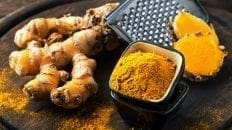
- Curcumin (turmeric) inhibits NF-?B, reduces OA pain and stiffness with favorable safety; boosted by piperine or liposomal preparations.
- Ginger (gingerols, shogaols) reduces nausea and exerts anti-inflammatory effects via COX/LOX pathways.
- Berberine activates AMPK, improving insulin sensitivity and lowering A1c comparably to metformin in some trials; titrate to reduce GI side effects.
- Cinnamon modestly lowers fasting glucose and A1c (0.3–0.5%); monitor for hypoglycemia if combined with meds.
- Red yeast rice reduces LDL 20–30% via HMG-CoA reductase inhibition (monacolin K); monitor LFTs and avoid dual statin therapy.
- Plant sterols/stanols reduce intestinal cholesterol absorption, lowering LDL; aim for ~2 g/day.
Safety is paramount. For example, St. John’s wort is effective for mild-moderate depression but induces CYP450, impacting oral contraceptives, anticoagulants, and other medications; avoid with SSRIs to prevent serotonin syndrome. I use the Natural Medicines Database, NIH ODS, and NCCIH resources to vet interactions and evidence.
Essential Oils
Bold highlights:
- Lavender (linalool) reduces anxiety and improves sleep via GABAergic effects
- Peppermint (menthol) provides local analgesia and antispasmodic relief for tension headaches.
- Ingestion is rarely indicated and should be clinically supervised; topical use requires proper dilution to prevent irritation.
Clinical protocols include bedtime diffusion of lavender and temple application of diluted peppermint for tension-type headaches.
Beyond Adjustments: Chiropractic and Integrative Healthcare- Video
Evidence-Based Non-Pharmaceutical Strategies for Common Acute Conditions
Bold highlights:
- Common cold/URI: Zinc lozenges (started within 24 hours) shorten duration by ~1 day; honey reduces nighttime cough; elderberry shows promising but mixed data; vitamin C is modestly preventive when taken regularly.
- Pharyngitis: Honey for cough; marshmallow root/slippery elm demulcents soothe but do not shorten illness.
- Acute rhinosinusitis: Saline irrigation improves mucociliary clearance and shortens recovery; bromelain/eucalyptus provide subjective relief with modest evidence.
- Otitis media: Garlic oil anecdotal relief (avoid if TM status unknown); probiotics reduce recurrence frequency in children.
- Acute gastroenteritis: Specific probiotics (e.g., rhamnosus GG, S. boulardii) reduce duration and severity; ginger is effective for nausea; peppermint helps with cramping.
I emphasize foundational measures: hand hygiene, humidification, smoke avoidance, adequate hydration, and sleep. For nausea, I teach acupressure at P6/Neiguan—three finger-widths below the wrist crease between the flexor tendons—to reduce vagus-mediated emesis; it’s validated for motion sickness, pregnancy-related nausea, and post-operative/chemo nausea.
I counsel against inappropriate antibiotics for viral URIs, explaining the risks of resistance and side effects, and reserve antimicrobial therapy for bacterial indicators (prolonged severe symptoms, double worsening, high fever with purulence).
Case-Based Clinical Reasoning: Acute URI and Non-Pharmaceutical Care
In a typical acute URI (negative strep, low-grade fever, congestion, dry cough), I recommend:
- Hydration to thin mucus and support mucociliary clearance.
- Rest to optimize immune function and reduce catecholamine-driven symptom amplification.
- Saline nasal irrigation to mechanically remove pathogens/allergens, reduce edema, and improve airflow.
- Honey before bedtime for cough suppression via demulcent action and mild antimicrobial properties.
- Zinc lozenges within 24 hours of onset for antiviral effects in the oropharynx.
- Optional elderberry early in the course, acknowledging mixed study sponsorship and variable evidence.
I explain why antibiotics (e.g., azithromycin) are ineffective against viruses and can cause harm, and clarify that NSAIDs are pharmaceutical tools—often helpful, but outside the non-pharmaceutical scope unless necessary for severe symptom relief.
Chronic Disease Management: Top 5 Diagnoses and Integrative Interventions
Hypertension
Bold highlights:
- Garlic lowers BP via NO pathways; hibiscus may act as a natural ACE inhibitor; CoQ10, omega-3s, and magnesium provide adjunctive vasodilatory and endothelial benefits.
- DASH diet, Mediterranean diet, and regular exercise are primary therapies.
Mechanistically, hibiscus polyphenols enhance endothelial function and may inhibit ACE, thereby decreasing the effects of angiotensin II and aldosterone; magnesium acts as a natural calcium channel blocker, relaxing vascular smooth muscle. Clinically, I prioritize sodium reduction, potassium-rich foods, and daily aerobic exercise.
Type 2 Diabetes Mellitus
Bold highlights:
- Cinnamon and berberine provide modest to robust glycemic improvements; fiber and meal timing optimize postprandial excursions.
- Mediterranean and DASH-style patterns improve A1c, lipids, and inflammatory status.
Berberine’s activation of AMPK reduces hepatic gluconeogenesis and improves peripheral glucose uptake. I titrate berberine (e.g., 500 mg BID/TID) while monitoring GI tolerance and drug interactions, and integrate CGM to personalize carbohydrate distribution and monitor glycemic variability.
Hyperlipidemia
Bold highlights:
- Red yeast rice reduces LDL comparably to low-dose statins; plant sterols/stanols block intestinal cholesterol absorption.
- Diet rich in soluble fiber (oats, legumes), omega-3s, and polyphenols improves lipid profiles and endothelial health.
I monitor LFTs with RYR and avoid combining with prescription statins; target ~2 g/day plant sterols for LDL lowering; emphasize weight management and exercise to shift HDL and triglycerides.
Depression (Mild–Moderate)
Bold highlights:
- John’s wort is effective vs placebo and comparable to antidepressants in mild–moderate cases; caution with CYP450 induction and serotonin syndrome risk when combined with SSRIs.
- Omega-3 EPA improves mood by reducing neuroinflammation and enhancing membrane fluidity; saffron shows efficacy with favorable tolerability.
Mind-body integration—CBT, mindfulness, yoga—often synergizes with nutrients by remodeling neurocircuitry and autonomic function, improving sleep, and reducing the inflammatory burden associated with depressive symptoms.
Osteoarthritis and Chronic Inflammation
Bold highlights:
- Curcumin reduces pain/inflammation through NF-?B, COX-2 inhibition; ginger adds COX/LOX modulation.
- Glucosamine/chondroitin show mixed evidence, possible benefit in moderate-to-severe knee OA over long-term horizons.
I combine an anti-inflammatory diet, graded exercise, manual therapy, curcumin (with enhanced bioavailability), and sleep optimization to reduce nociception, improve joint function, and reduce reliance on NSAIDs.
The Foundational Role of Lifestyle, Mind-Body Practices, and Chiropractic Care
Bold highlights:
- Lifestyle is non-negotiable: diet quality, movement, sleep, and stress resilience drive outcomes across cardiometabolic and inflammatory disorders.
- Mind-body practices recalibrate autonomic balance and the HPA axis; yoga integrates movement, breath, and attention; meditation shifts stress physiology.
- Chiropractic care indirectly aids chronic disease management by reducing musculoskeletal pain, enabling exercise, improving sleep, and lowering stress load.
Pain is a physiologic amplifier of stress; by reducing spinal and myofascial pain, manipulation and rehabilitative exercises improve compliance with movement prescriptions and reduce sympathetic overdrive, supporting BP control and glycemic stability.
Cultural Considerations and Personalized Care
Bold highlights:
- Align recommendations with cultural foodways, family decision-making structures, and traditional health practices.
- Respect and evaluate traditional herbal medicines for safety and potential interactions; co-create plans that are realistic and meaningful.
I work within a patient’s culinary heritage—e.g., Mediterranean adaptations for Latin cuisines using beans, corn, vegetables, fish, and olive oil; Asian patterns incorporating sea vegetables, soy, and fish—while moderating sodium and added sugars. Engaging family support enhances adherence and sustainability.
Precision Microbiome Modulation: Probiotics, Prebiotics, and Strain-Specific Care
Bold highlights:
- Probiotics are strain-specific; benefits depend on the right strain at an adequate dose.
- Prebiotics feed beneficial bacteria, increasing SCFAs and improving gut barrier function.
- Examples: Bifidobacterium infantis 35624 for IBS symptom relief; Saccharomyces boulardii for antibiotic-associated diarrhea; Lactobacillus rhamnosus JB-1 for anxiety via gut-brain axis; VSL#3 for ulcerative colitis flare reduction.
The gut-brain axis involves vagal signaling, SCFA-mediated microglial modulation, and cytokine regulation, all of which influence mood and cognition. Stool genomic testing can inform targeted protocols, although clinical response remains the ultimate metric. I pair microbiome interventions with anti-inflammatory diets and stress reduction to amplify outcomes.
Technology-Enabled Personalization: Wearables, Biomarkers, and Dynamic Supplementation
Bold highlights:
- CGMs guide carbohydrate timing and glycemic control; wearables monitor activity, sleep, HRV; biomarkers (A1c, lipids, CRP) inform targeted dosing.
- Apps improve adherence and create feedback loops, enhancing engagement and outcomes.
With CGM data, I adjust meal composition, add berberine or alpha-lipoic acid when appropriate, and tailor exercise (postprandial walks, resistance training). For high triglycerides/inflammation, I titrate EPA/DHA; for stress and sleep deficits, I apply magnesium, lavender, or melatonin with sleep hygiene protocols, then monitor sleep metrics and HRV for improvement.
Hormone Therapy in Integrative Context: MHT and TRT—Timing, Indications, and Monitoring
Menopause Hormone Therapy (MHT)
Bold highlights:
- Initiate MHT before age 60 or within 10 years of menopause (timing hypothesis) for optimal benefit-risk.
- Most effective for vasomotor symptoms (hot flashes/night sweats) and genitourinary syndrome (vaginal dryness, dyspareunia); vaginal estrogen has minimal systemic absorption.
- Benefits include bone density preservation and potential cardioprotective effects when started early.
- Risks: thromboembolism, small increases in breast cancer risk dependent on formulation/duration; mitigate via transdermal estrogen and micronized progesterone.
I apply MHT within a triad: nutrition (anti-inflammatory, adequate protein and fiber), exercise (strength plus cardio), and hormone therapy at individualized doses and routes. I emphasize that menopause reflects hormone deficiency states; expecting lifestyle alone to overcome severe vasomotor symptoms can be unrealistic; carefully dosed MHT can reset health trajectories.
Testosterone Replacement Therapy (TRT)
Bold highlights:
- Indicated for confirmed hypogonadism with consistent low morning testosterone and symptom constellation; rule out reversible causes (obesity, stress, sleep apnea, opioids).
- Benefits: improved libido, erectile function, lean mass, bone density, mood, energy.
- Monitoring: hematocrit (polycythemia risk), PSA and prostate evaluation, CV risk; aim for physiologic mid-normal
I do not prescribe TRT for normal age-related declines without biochemical deficiency. I combine lifestyle (weight loss, resistance training), sleep optimization (address apnea), and stress reduction to restore endogenous production where possible, reserving TRT for true deficiency with careful surveillance.
Functional Foods and Advanced Nutraceuticals: Pharmacy in the Kitchen
Bold highlights:
- Functional foods deliver bioactive compounds such as polyphenols, omega-3s, fiber, and plant sterols.
- Advanced nutraceutical delivery improves bioavailability: liposomal/nanoparticle curcumin, ubiquinol CoQ10, oil-based softgels for fat-soluble compounds.
- Clinical applications across cardiovascular, metabolic, pain/inflammation, and autoimmune
I incorporate berries, green tea, dark chocolate (high cocoa), turmeric, and extra-virgin olive oil to increase polyphenol intake; leverage fatty fish, flax, chia for omega-3s; and use fortified foods or supplements for plant sterols to reduce LDL. In osteoarthritis, enhanced curcumin reduces pain beyond standard powders. In statin users, ubiquinol CoQ10 restores mitochondrial buffering capacity and reduces myalgias.
Navigating the Supplement Landscape: Regulation, Quality, and Reliable Resources
Bold highlights:
- DSHEA means supplements enter the market without prior FDA approval; clinicians must vet quality, purity, and potency.
- Use third-party testing (USP, NSF, ConsumerLab) and authoritative databases (NIH ODS, Natural Medicines, NCCIH).
- Large trials (e.g., AREDS2) illustrate disease-modifying potential when formulations are validated.
I educate patients about variability and unsubstantiated claims. We agree on brands with transparent sourcing and certification. I cross-check interactions meticulously—especially for anticoagulants, antidiabetics, antihypertensives, and psychotropics—and I monitor labs to ensure efficacy and safety.
Case Integration: A 61-Year-Old Male with Hypertension and Type 2 Diabetes
We design a plan:
- DASH diet and daily walking for BP and A1c improvement.
- Meditation with a mobile app to reduce stress, lower BP, and enhance adherence.
- Garlic for modest BP lowering; cinnamon for modest A1c reduction, monitored for hypoglycemia.
Teaching points:
- Lifestyle remains the strongest lever.
- Mind-body supports physiologic and behavioral change.
- Supplements are adjuncts, not replacements.
- Layering strategies creates synergy and durability.
Practical Protocols: Stepwise Implementation and Monitoring
Bold highlights:
- Start with foundational lifestyle: diet, movement, sleep, stress; then add targeted herbals/nutrients.
- Use CGM, BP cuffs, lipid panels, A1c, CRP, sleep trackers to document change.
- Employ SMART goals, incremental habit-building, and app-based coaching for adherence.
I typically begin with one or two high-impact changes (e.g., 20-minute daily walks, Mediterranean dinners four nights per week), then introduce supplementation based on biomarkers (e.g., EPA/DHA for triglycerides >200 mg/dL, berberine when A1c >7.0% with post-prandial spikes). We schedule follow-ups every 6–8 weeks to adjust doses and expand the plan.
Advanced Physiological Underpinnings: Why These Strategies Work
Bold highlights:
- Endothelium: Shear stress and NO signaling regulate vascular resistance and BP.
- Mitochondria: PGC-1? and AMPK enhance biogenesis and energy efficiency; CoQ10 stabilizes electron flow.
- Inflammation: NF-?B integrates dietary and stress signals; curcumin and polyphenols suppress pro-inflammatory gene expression.
- Autonomic balance: Mind-body practices increase vagal tone; HRV improves with breath work and meditation.
- Gut barrier: SCFAs strengthen tight junctions; dysbiosis elevates endotoxin—targeted probiotics and prebiotics restore eubiosis.
- Neuroendocrine: Chronic cortisol disrupts insulin sensitivity and immune function; stress modulation normalizes HPA axis.
By intervening at multiple nodes, we convert maladaptive signaling into restorative physiology—lowering vascular resistance, improving metabolic flexibility, and reducing neuroimmune activation.
Clinical Observations from My Practice at healthvoice360.com
Across hundreds of patients:
- Consistent mindfulness reduces interference from pain and reliance on medication.
- CGM-guided meal timing curbs postprandial glucose spikes within days.
- Curcumin (enhanced) reduces OA pain scores by 30–40% in 8–12 weeks, enabling exercise progression.
- EPA-predominant omega-3 improves depressive symptoms adjunctively within 4–8 weeks, especially in inflammatory phenotypes.
- Vaginal estrogen alleviates GU symptoms within weeks with excellent tolerability.
These observations align closely with published evidence and underscore the value of careful personalization and longitudinal monitoring.
Implementation Challenges and Solutions
Bold highlights:
- Adherence: Use small steps, app reminders, family engagement.
- Access: Provide cost-conscious alternatives; leverage community resources.
- Safety: Screen for interactions; prioritize third-party tested products.
- Cultural fit: Co-create menus and routines that honor traditions and constraints.
I pivot plans when barriers arise—swapping pool exercise for chair yoga if joint pain limits walking, choosing local, affordable foods, and providing printable routines and tracking sheets. Flexibility sustains momentum.
Ethical and Professional Considerations
Bold highlights:
- Practice within scope; coordinate with primary/specialty care.
- Document informed consent, risks, benefits, alternatives.
- Base recommendations on best evidence; update as research evolves.
- Respect patient autonomy and preferences.
I maintain open communication with other providers, share protocols, and ensure patients understand the purpose and expected outcomes of each intervention. Continuous education keeps my practice current and safe.
References
- National Center for Complementary and Integrative Health (NCCIH).
- NIH Office of Dietary Supplements (ODS) Fact Sheets.
- Natural Medicines Database.
- Hemilä H., Chalker E. Zinc for the common cold. Cochrane Database Syst Rev.
- Abuelgasim H., Albury C., Lee J. Honey for acute cough in children. Cochrane Database Syst Rev.
- Ried K. Garlic lowers blood pressure and regulates cholesterol. J Nutr.
- Corrado E., Sesti G. Berberine on metabolic and cardiovascular risk. J Clin Med.
- Daily JW., Park S., Peterson CT. Turmeric/curcumin for arthritis: systematic review. J Med Food.
- Whelton PK., et al. 2017 ACC/AHA BP guideline. JACC.
- Linde K., Berner MM., Kriston L. St John’s wort for major depression. Cochrane.
- Cicero AFG., Fogacci F. Red yeast rice for hypercholesterolemia. Curr Pharm Des.
- Hawkins J., et al. Elderberry meta-analysis. Complement Ther Med.
- AREDS2 Research Group. JAMA.
- Schou M., et al. MHT and mortality cohort study. BMJ.
- Bhasin S., et al. Testosterone therapy guideline. J Clin Endocrinol Metab.
- O’Mahony L., et al. Probiotics in IBS. Gastroenterology.
- Johnston BC., et al. Probiotics for C. difficile–associated diarrhea. Ann Intern Med.
- Bravo JA., et al. Lactobacillus and emotional behavior via vagus. PNAS.
Keywords
Integrative Medicine; Functional Medicine; Lifestyle Medicine; Mind-Body Medicine; Chiropractic; Acupuncture; Nutrition Therapy; Anti-Inflammatory Diet; DASH Diet; Mediterranean Diet; Hypertension; Type 2 Diabetes; Hyperlipidemia; Depression; Osteoarthritis; Curcumin; Berberine; Cinnamon; Garlic; Hibiscus; Omega-3; CoQ10; Plant Sterols; Red Yeast Rice; St. John’s Wort; Saffron; Probiotics; Prebiotics; Gut Microbiome; CGM; Wearables; Healthvoice360; Dr. Alexander Jimenez; Evidence-Based Practice; NCCIH; NIH ODS; Natural Medicines.
Disclaimer
The information provided in this educational post is intended for informational and educational purposes only and is not a substitute for professional medical advice, diagnosis, or treatment. Do not use this content as medical advice. Always seek the advice of your physician or other qualified health provider with any questions regarding a medical condition or before starting any new health regimen.
All individuals must obtain recommendations for their personal situations from their own medical providers. Never disregard professional medical advice or delay seeking it because of something you have read here. Reliance on any information provided is solely at your own risk.
Summary
I synthesized leading research and my clinical observations into an integrative framework for non-pharmaceutical disease management. The foundation rests on systems-biology and root-cause thinking—addressing inflammation, autonomic imbalance, metabolic dysfunction, gut barrier integrity, and mitochondrial health. I reviewed the mainstreaming of integrative approaches under NCCIH guidance and academic adoption, then categorized major modalities—mind-body, manipulative, lifestyle, herbal/botanical, and nutrition-based—with mechanistic clarity.
For acute conditions, I highlighted honey for pediatric cough, saline irrigation for sinusitis, zinc lozenges for early colds, and targeted probiotics for infectious diarrhea, integrating acupressure and supportive manual therapy. For chronic disease, I detailed protocols for hypertension (DASH/Mediterranean, garlic, hibiscus, CoQ10, omega-3s, magnesium), type 2 diabetes (fiber-forward diet, CGM-guided timing, berberine, cinnamon), hyperlipidemia (plant sterols, red yeast rice), depression (St. John’s wort, EPA, saffron, plus CBT/mindfulness), and osteoarthritis (curcumin, ginger, graded exercise, manipulation). I emphasized technology-enabled personalization—CGMs, wearables, biomarkers, and adherence apps—and directed readers to the NIH ODS, NCCIH, and Natural Medicines for evidence and safety information.
I addressed hormone therapies—MHT within the 10-year menopausal window and TRT for confirmed hypogonadism—integrated with nutrition and exercise, and covered microbiome precision using strain-specific probiotics (B. infantis 35624, S. boulardii, L. rhamnosus JB-1, VSL#3). Throughout, I stressed cultural tailoring, ethical practice, quality assurance, and rigorous monitoring to ensure outcomes and safety.
Conclusion
Non-pharmaceutical strategies are essential complements to conventional care. When implemented through a personalized, evidence-based, and mechanistically informed framework, they reduce medication burden, improve function and mood, and address root causes across interconnected physiologic networks. The most powerful interventions remain lifestyle—nutrition, movement, sleep, stress—layered with mind-body practices, targeted nutraceuticals, microbiome modulation, and strategic use of technology. Clinicians should anchor recommendations in validated data, respect cultural context, monitor biomarkers and functional outcomes, and collaborate across disciplines. This approach builds patient autonomy, durability of change, and resilient health.
Key Insights
- Lifestyle is primary medicine: DASH/Mediterranean diets and regular exercise consistently improve BP, A1c, lipids, and inflammation.
- Mechanisms matter: Interventions work by modulating NO signaling, NF-?B, AMPK, SCFAs, and autonomic tone—understanding these mechanisms guides precise therapy selection.
- Evidence is variable: Prioritize strategies with strong data (honey for cough, saline irrigation, specific probiotics), and communicate uncertainty transparently.
- Supplements are adjuncts: Use high-quality, third-party-tested products; monitor for interactions (e.g., St. John’s wort with CYP450); titrate to labs and symptoms.
- Microbiome precision: Target strains to conditions; pair with fiber-rich diets and stress management for durable benefits.
- Technology enhances care: CGMs, wearables, and apps create feedback loops that improve adherence and tailor dosing and timing.
- Hormone therapy requires timing and monitoring: MHT within 10 years post-menopause; TRT only for confirmed hypogonadism; integrate with lifestyle.
- Cultural alignment and ethics: Respect traditions, co-create realistic plans, and practice within scope using current evidence.