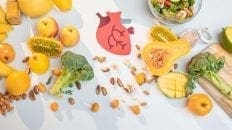
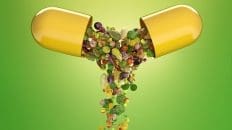
As humans, we are constantly exposed to oxidative stress, mainly due to how we produce energy. For us, to live is to be in a constant oxidative process. But, what happens when we exceed our oxidative stress threshold or deal with a critical illness? Luckily, we have antioxidant mechanisms to counteract this deteriorating process, and we have food to provide fuel to this system. The dietary ingestion or high doses of antioxidant supplementation has become an excellent treatment to counteract oxidative stress associated with critical illness and pain reduction.Â
Table of Contents
Critical illness and oxidative stress.
Increased levels of oxidative stress are associated with critical illness or acute disease. The production of reactive oxygen species (ROS) and reactive nitrogen-oxygen species (RNOS) has a bidirectional effect. Indeed, ROS and RNOS are modulators of cell proliferation and signaling, apoptosis, and cell protection. However, in extensive doses, they can damage proteins, nucleic acids, polysaccharides, and polyunsaturated fatty acids, resulting in critical damage to cellular structure and, therefore, tissue dysfunction.
Mitochondrial dysfunction and inflammation
Mitochondrial dysfunction is a cornerstone of ROS production during critical illness or in septic shock. Other mechanisms enabling ROS production are the conversion of xanthine dehydrogenase to xanthine oxidase and the NAPDH oxidase enzyme stimulation in neutrophils and macrophages. Furthermore, elevated ROS/RNOS production upregulates the release of inflammatory cytokines from immune cells, activating inflammatory cascades and increasing adhesion molecules’ expression.
In addition, this inflammation upregulates the accumulation of granulocytes in different organ tissues, once again leading to increased ROS production. Consequently, this perpetuates the tissue injury and results in multiorgan dysfunction.
Pain and oxidative stress
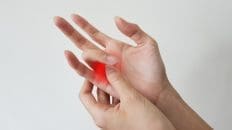
Muscle pain or muscle soreness can be caused by strenuous or unaccustomed exercise and physical activity; it is commonly called delayed onset muscle soreness (DOMS).Â
DOMS associates with exercise involving eccentric muscle action, such as generating muscle tension while controlling the muscle lengthen. Also, this type of injury or soreness is common in athletes returning to training after a prolonged time of inactivity. Furthermore, lactate accumulation, inflammation, muscle spasm, muscle damage, and connective tissue damage are the common denominators of DOMS. Again, oxidative stress is involved in all of these mechanisms mentioned above.
Furthermore, as exercise improves health, it can also increase oxidative stress partly due to increased oxygen consumption. Furthermore, engaging in repetitive or eccentric activity can increase inflammation. Therefore, antioxidant levels must be repleted to counteract the inflammatory and oxidative stress responses.
Antioxidants vs. Pain:
During the last ten years, researchers have investigated the efficacy of taking dietary supplements or antioxidant-enriched foods in elevated doses as a preventive treatment to stop or reduce muscle soreness after exercise. Furthermore, most studies use exogenous antioxidants such as vitamin C, vitamin E, polyphenols, glutathione, carotenoids, and coenzyme Q10 to improve antioxidant enzymatic function.
How to test it?
In El Paso Functional Medicine we evaluate our patient’s nutritional status with the ABC and D of nutritional assessment. Using the latest technology we are able to assess our patient’s antioxidant status, this allows us to create a personalized supplement protocol and dietary changes to improve our patient’s wellbeing.
Clinical application:
A review examining the effectiveness of antioxidants preventing muscle soreness after exercise reported the nest results:
- When comparing antioxidant supplementation versus placebo, antioxidant supplementation reduced muscle soreness after 6, 24, and 48 hours after eccentric exercise. However, most of the studies used in this review had a different level of quality, making it difficult to determine the antioxidant efficacy.
Furthermore, the efficacy of high doses of antioxidants has been used in the ICU setting in sepsis shock and critically ill patients with exciting results. A review that included 11 articles reported the following results:
- Antioxidant treatment resulted in a significant reduction in mortality. However, it did not reduce the risk of infection.
- Studies that utilized a single trace element, such as selenium, were associated with a significant reduction in mortality.
It seems that we can’t get rid of stress! Even though exercise is a great way to deal with psychological stress, it can cause oxidative stress. Nevertheless, stress is not always bad. A decent amount of oxidative stress can push mitochondrial apoptosis and lead to better working mitochondria. Therefore, to keep stress at bay, we need to improve antioxidant function, and this can be taken care of by increasing dietary sources of antioxidants or supplementation. This article discussed the importance of antioxidant supplementation in different topics, one more critical than another. For instance, in critically ill patients, the best way to provide antioxidant supplementation is parenteral.
On the other hand, in DOMS, antioxidant supplementation slightly improved fatigue and pain symptoms after exercise compared to placebo. As a nutritionist, the turning point is the gastrointestinal function, critically ill patients are overmedicated, which can diminish their capacity to absorb nutrients while athletes are healthy. Nutrient depletion is present in both of these situations, but the digestive system plays a critical role in absorbing these cofactors. – Ana Paola RodrÃguez Arciniega, MS
Â
References:
Ranchordas, Mayur K et al. “Antioxidants for preventing and reducing muscle soreness after exercise.” The Cochrane database of systematic reviews vol. 12,12 CD009789. 14 Dec. 2017, doi:10.1002/14651858.CD009789.pub2
Koekkoek, W A C Kristine, and Arthur R H van Zanten. “Antioxidant Vitamins and Trace Elements in Critical Illness.” Nutrition in clinical practice: official publication of the American Society for Parenteral and Enteral Nutrition vol. 31,4 (2016): 457-74. doi:10.1177/0884533616653832
Additional Online Links & Resources (Available 24/7)
Â
Online Appointments or Consultations: https://bit.ly/Book-Online-Appointment
Â
Online Physical Injury / Accident Intake Form:Â https://bit.ly/Fill-Out-Your-Online-HistoryÂ
Â
Online Functional Medicine Assessment:Â https://bit.ly/functionmed