Table of Contents
Introduction
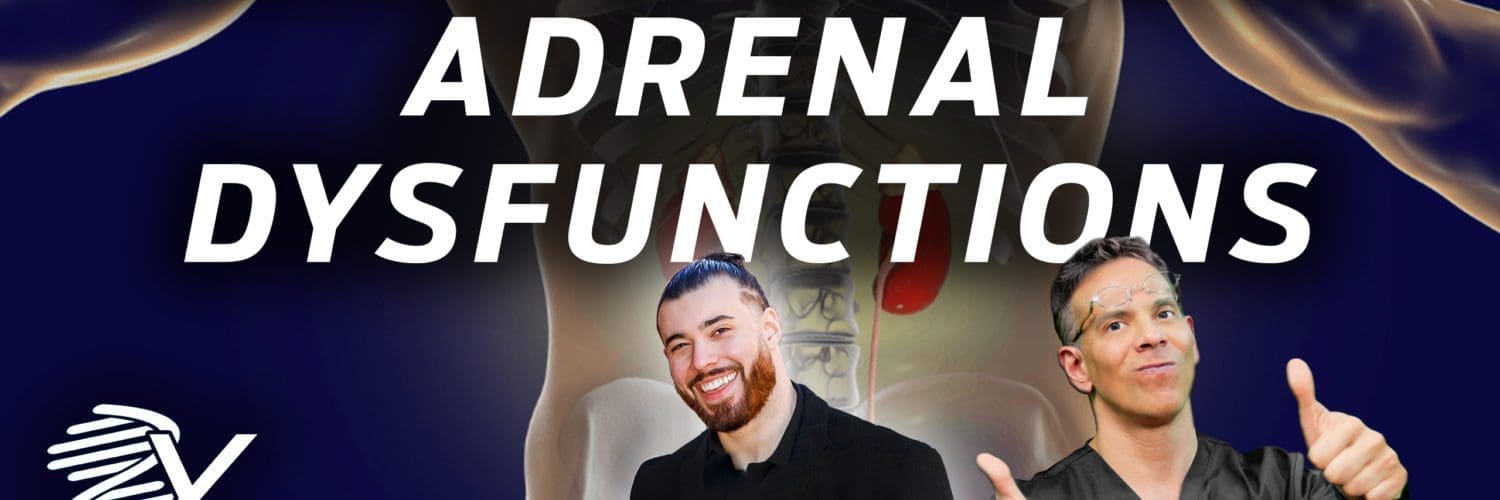
Dr. Alex Jimenez, D.C., presents how various treatments can help with adrenal insufficiency and can help regulate hormone levels in the body in this 2-part series. Since hormones play a vital role in the body by controlling how the body functions, it is important to know what the trigger is that is causing overlapping issues in the body. In Part 1, we looked at how adrenal insufficiencies affect different hormones and their symptoms. We refer patients to certified providers that include hormone treatments that relieve adrenal insufficiencies affecting the body while ensuring optimal health and wellness for the patient through various therapies. We appreciate each patient by referring them to associated medical providers based on their diagnosis when it’s appropriate to understand better what they are feeling. We understand that education is an excellent and inquisitive way to ask our providers various intricated questions at the patient’s request and knowledge. Dr. Jimenez, D.C., utilizes this information as an educational service. Disclaimer
Treatments For Adrenal Insufficiencies
Dr. Alex Jimenez, D.C., presents: When it comes to adrenal insufficiencies, the body has various symptoms that can cause the person to feel low on energy and pain in different areas. Since hormones are produced in the adrenal glands, they help maintain how vital organs and muscles work to keep the body functional. When various factors affect the body, disrupting the adrenal glands, it can cause hormone production to over or underproduce. To that point, it can correlate to numerous symptoms that cause the body to be dysfunctional. Fortunately, there are various treatments that many people can incorporate into their daily lives to promote hormone regulation.
Now everyone has different ways to lower their stress, which is fine as there are various treatments that a person may like to try, and if they are in a treatment plan that their doctor developed for them, they can find ways to get their health and wellness back. Many individuals sometimes participate in meditation and yoga to practice mindfulness. Now meditation and yoga have amazing benefits in lowering oxidative stress and cortisol levels associated with chronic stress. By looking at how adrenal insufficiencies can cause an increase in insulin, cortisol, and DHEA dysfunction in the HPA axis, many doctors would devise a treatment plan for their patients that can help lower the oxidative stress markers and regulate hormonal production. So if one of the treatments is meditation or yoga, many individuals who practice yoga and meditation will begin to notice how they are feeling after taking a few deep breaths and begin to feel mindful of their surroundings. This causes many people to improve their quality of life associated with decreased cortisol levels.
How Mindfulness Can Lower Stress
Dr. Alex Jimenez, D.C., presents: Another available treatment that can help with adrenal insufficiencies is an 8-week mindfulness treatment that can help lower cortisol levels from escalating in the body to cause more issues than a person is dealing with. Depending on what stage the HPA axis dysfunction is affecting the body, taking the time for yourself can benefit you in the long run. An example would be taking a hike on a nature walk path. The change in the environment can help a person relax and be at ease. This allows the body to let go of unnecessary pent-up stress affecting a person’s mood, functionality, and mental health when a change of scenery can help them relax and recharge. To that point, it allows the HPA axis to relax as well.
Another example of how mindfulness can help treat adrenal insufficiencies associated with hormonal dysfunction is by providing neurofeedback to those with chronic PTSD. Individuals with traumatic experiences have PTSD, which can hinder their ability to function in the world. When they go through a PTSD episode, their bodies will begin to lock up and tense, causing their cortisol levels to rise. To that point, this causes an overlap of symptoms associated with muscle and joint pain. Now how does mindfulness plays its part when it comes to treatment? Well, many doctors specializing in treating PTSD will do an EMDR test. EMDR stands for eye, movement, desensitization, and reprogramming. This allows PTSD patients to have their HPA axis rewired and reduce the neuron signals in their brains and help lower any cortisol levels causing adrenal insufficiencies in their bodies. Incorporating EMDR testing into PTSD patients allows them to find the issue causing the trauma through brain spotting, where the brain replays the traumatic memories and helps rewire the brain to release the trauma out of the body and start the healing process.
Vitamins & Supplements
Dr. Alex Jimenez, D.C., presents: Another technique many individuals can begin if they want to regulate their hormones is by taking supplements and neutraceuticals to help replenish hormonal function and the body. Choosing the right vitamins and supplements is not difficult if you don’t want to consume them in pill form. Many vitamins and supplements can be found in nutritious whole foods with specific nutrients that can improve hormone production and make a person feel full. Some of the vitamins and supplements that can help with hormone balance include:
- Magnesium
- B vitamins
- Probiotics
- Vitamin C
- Alpha-lipoic acid
- Omega-3 Fatty Acid
- Vitamin D
These vitamins and supplements can help communicate with the other hormones the body produces and help balance hormonal production. Now, these treatments can help many people with hormonal imbalances in their bodies, and there are times when the process can be tough. Just remember that making these small changes can have a huge effect in the long run regarding your health and wellness. By sticking with the treatment plan that your doctor has come up with you, you will feel better over time and take back your health as well.