Small Intestinal Bacterial Overgrowth (SIBO) has a prevalence of 56% among patients with irritable bowel syndrome. Over the years, this condition was only treated with antibiotics, with a variable success rate. Consequently, patients have developed an interest in natural and sustainable herbal treatments to reverse bacterial overgrowth. The growing prevalence of this condition and the shift of the medical environment has raised the interest in using herbal therapy for Small Intestinal Overgrowth.
Table of Contents
What is Small Intestinal Bacterial Overgrowth
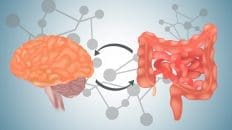
Small Intestinal Bacterial Overgrowth or SIBO is an increased concentration of bacterial of more than 1000 000 colony-forming units per mL located in the jejunal fluid. Furthermore, its presentation varies widely from a mild gastrointestinal disturbance and escalates to a full-blown enteropathy. Consequently, SIBO can overlap with IBS and is associated with malabsorption and malnutrition, potentially triggering celiac disease.
SIBO associated triggers and mediators:
- Achlorhydria (autoimmune, surgical, iatrogenic)
- Motor abnormalities.
- Diabetic enteropathy.
- Vagotomy.
- Abnormal communication between the colon and small bowel.
- Gastrointestinal fistulas.
- Resection of the ileocecal valve.
- Systemic and intestinal immune deficiency states.
- Scleroderma.
On the other hand, we can account for several protective mediators against small intestine bacterial overgrowth. Indeed, a regular gastric acid release, along with the proper function of pancreatic enzymes and bile acid, can protect against SIBO. In addition, different motility factors such as the migrating motor complex contribute to the adequate bacterial distribution.
Furthermore, there are additional extrinsic factors that might contribute to the gut’s microbiota alterations. These factors are mainly environmental such as following a FODMAP’s (fructooligosaccharides, saccharides, monosaccharides, and polyols) dietary pattern. Also, the use of drugs that may alter gastric function, such as proton pump inhibitors, antibiotics, and anti-motility agents to treat diarrhea. Nevertheless, the current use of probiotics, accompanied by fiber and prebiotics, are essential factors contributing to the colonization and growth of certain bacterial strains.
Antibiotics vs. Herbal therapy
The use of herbal therapy has been tested with similar results as the current SIBO antibiotic treatment. Indeed, after testing positive for SIBO by lactulose breath testing (LBT), the following step is to treat this condition with a 10-14 day course of rifaximin.
Nevertheless, the population’s need for an alternative and sustainable treatment has led to herbal components as contributors to SIBO. Chedid et al. designed a study to test the combination of specific herbal ingredients against antibiotic therapy with positive results.
In this study, three-hundred and ninety-six patients underwent LBT for suspected SIBO, of which two-hundred and fifty-one turned positive. Following these results, these patients decided between being treated with 1200mg of rifaximin daily or herbal therapy for four weeks. Of the patients who received herbal treatment, 46% had a negative follow-up LBT against 34%of rifaximin users.
Some of the combinations used in this study were:
FC Cidal
Dysbiocide
Candibactin-AR
Candibactin-BR
Comprehensive stool testing
Getting to the root cause of the condition is the main focus of any functional medicine treatment. Indeed, in El Paso Functional Medicine we focus on treating the gut with the use of comprehensive, state-of-the-art- art testing.
In conclusion, this study determined that herbal therapy was as effective as the use of antibiotics for SIBO. In addition, this alternative treatment was recommended for those patients who used antibiotics without positive results. Furthermore, from an economic point of view, herbal therapy serves as a sustainable alternative to treat this ever-growing condition. – Ana Paola Rodríguez Arciniega, MS
Additional Online Links & Resources (Available 24/7)
Online Appointments or Consultations: https://bit.ly/Book-Online-Appointment
Online Physical Injury / Accident Intake Form: https://bit.ly/Fill-Out-Your-Online-History
Online Functional Medicine Assessment: https://bit.ly/functionmed