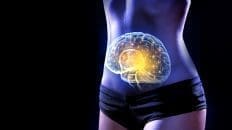
Uncover the connection between insulin resistance and integrative chiropractic. Enhance your well-being through holistic care.
Table of Contents
Insulin Resistance, Musculoskeletal Pain, and Integrative Chiropractic Care
Insulin resistance is not only a blood-sugar issue. It is a whole-body metabolic condition that can affect inflammation, connective-tissue quality, nerve health, healing capacity, body composition, and how patients experience musculoskeletal pain. Chiropractic care does not “cure” insulin resistance through adjustment alone; however, it can be a valuable component of an evidence-informed, nonsurgical care plan that improves movement, reduces pain-related barriers to exercise, and supports the lifestyle and rehabilitation work that meaningfully improves insulin sensitivity.
At Health Voice 360, Dr. Alexander Jimenez, DC, APRN, FNP-BC, approaches chronic pain, injury recovery, rehabilitation, nutrition, and functional wellness through an integrated lens. His clinical model emphasizes restoring mobility, flexibility, strength, and daily function through individualized chiropractic care, functional rehabilitation, nutritional and lifestyle strategies, and collaboration with other health professionals.[healthvoice360][linkedin]
Introduction: A Metabolic View of Pain
Many people think of insulin resistance only in relation to prediabetes, type 2 diabetes, body weight, or laboratory values such as fasting glucose and hemoglobin A1c. Yet insulin resistance can affect tissues throughout the body long before a person receives a diabetes diagnosis.
Insulin normally helps regulate glucose uptake, energy use, protein metabolism, fat metabolism, vascular function, and cellular signaling. In insulin resistance, tissues such as skeletal muscle, liver, and adipose tissue respond less effectively to insulin. The pancreas may compensate by producing more insulin, sometimes for years, while fasting glucose remains apparently normal. This metabolic compensation can coexist with low-grade inflammation, altered lipid handling, oxidative stress, impaired microcirculation, and connective tissue changes.
For a clinician evaluating persistent neck pain, low back pain, tendinopathy, shoulder stiffness, recurrent muscle tightness, neuropathic symptoms, or slow recovery from training, this broader metabolic context matters. A painful shoulder or recurrent Achilles tendinopathy may not be caused by insulin resistance alone. Still, insulin resistance can significantly affect tissue health, recovery, pain sensitivity, and rehabilitation tolerance.
Research on diabetes and musculoskeletal disorders supports the clinical importance of this connection. Diabetes and metabolic dysfunction are associated with a higher burden of osteoarthritis, tendon disorders, adhesive capsulitis, muscle loss, and other musculoskeletal complications. Proposed mechanisms include chronic inflammation, glycation, oxidative stress, altered collagen remodeling, impaired blood supply, and disrupted tendon homeostasis.[sciencedirect][pmc.ncbi.nlm.nih][frontiersin]
Why Insulin Resistance Affects the Musculoskeletal System
The musculoskeletal system is metabolically active. Muscles consume substantial amounts of glucose, tendons and ligaments depend on collagen turnover, joints rely on healthy cartilage and synovial tissues, and peripheral nerves require adequate circulation and cellular energy. When insulin signaling becomes dysregulated, several interconnected processes can affect these tissues.
Skeletal Muscle: Reduced Glucose Disposal and Lower Exercise Capacity
Skeletal muscle is one of the body’s primary sites of insulin-mediated glucose disposal. When muscle becomes insulin resistant, glucose handling becomes less efficient. Physical inactivity, pain avoidance, muscle loss, sleep disruption, chronic stress, and excess visceral adiposity can worsen this cycle.
This has major practical implications. Pain can make patients less active; reduced activity can decrease insulin sensitivity; poorer metabolic function can then interfere with tissue recovery and physical conditioning. In clinical practice, the goal is not simply to tell a patient to “exercise more.” The goal is to identify a tolerable entry point into movement, then gradually restore strength, aerobic capacity, confidence, and load tolerance.
Regular aerobic and resistance exercise can improve insulin sensitivity even without substantial weight loss. That is a crucial point for patients whose primary barrier is pain, stiffness, deconditioning, or fear of movement rather than motivation alone.[pmc.ncbi.nlm.nih]
Connective Tissue: Glycation, Stiffness, and Impaired Remodeling
Persistently elevated glucose and metabolic dysfunction can contribute to the formation of advanced glycation end products, commonly called AGEs. These compounds can accumulate in collagen-rich tissues, alter cross-linking, reduce tissue elasticity, and interfere with normal remodeling. Tendons, fascia, joint capsules, ligaments, and cartilage may therefore become less adaptable to mechanical load.
Clinically, this may help explain why some people with impaired glucose regulation develop disproportionate stiffness, recurrent tendinopathy, plantar fasciitis, trigger finger, carpal tunnel symptoms, frozen shoulder, or reduced range of motion. These conditions remain multifactorial. Repetitive loading, occupational demands, trauma, biomechanics, body composition, age, hormonal factors, and genetics also play a role. Metabolic health can also influence tissue resilience before injury and how effectively it recovers afterward.[sciencedirect][pmc.ncbi.nlm.nih]
Inflammation and Pain Sensitization
Insulin resistance frequently occurs alongside chronic low-grade inflammation. Adipose tissue, particularly visceral adipose tissue, can release inflammatory mediators that influence metabolic and pain-related pathways. Inflammation can also interact with sleep disruption, stress physiology, mood, physical inactivity, and obesity, creating a self-reinforcing cycle.
This does not mean every patient with pain has insulin resistance or that every person with insulin resistance will experience chronic pain. It means that when a patient has both metabolic risk factors and persistent musculoskeletal symptoms, clinicians should consider whether inflammation, impaired recovery, reduced physical capacity, neuropathy, or mechanical overload are contributing to the clinical picture.
Microvascular and Nerve Effects
Poor metabolic control can compromise small-vessel circulation and nerve function. In some patients, this contributes to peripheral neuropathy, sensory changes, impaired balance, altered gait, foot pain, weakness, and a greater risk of repetitive injury. Neuropathy may present as burning, tingling, numbness, shooting pain, temperature sensitivity, or the sensation of wearing socks or gloves.
These symptoms require careful evaluation because they can arise from many causes, including diabetes, vitamin deficiency, thyroid disease, medication effects, alcohol exposure, nerve entrapment, lumbar radiculopathy, autoimmune disease, chemotherapy exposure, and other neurologic conditions. A thorough assessment is essential before attributing symptoms solely to a musculoskeletal problem.
Insulin Resistance, Pain, and Common Comorbidities
The relationship between insulin resistance and pain is best understood as a network rather than a single cause-and-effect pathway. The same factors that raise metabolic risk can also increase musculoskeletal strain and pain persistence.
| Clinical issue | How insulin resistance may contribute | Common care considerations |
|---|---|---|
| Chronic low back pain | Deconditioning, reduced physical activity, inflammation, obesity-related mechanical load, sleep disruption, and psychological stress can overlap with metabolic dysfunction. | Education, graded activity, spinal manipulation or mobilization when appropriate, therapeutic exercise, sleep support, and medical metabolic evaluation |
| Osteoarthritis | Metabolic inflammation may influence joint tissues, while obesity can increase mechanical loading, especially at weight-bearing joints. | Strengthening, weight management when indicated, joint-specific exercise, gait assessment, manual therapy, and medical co-management |
| Tendinopathy | Glycation, impaired collagen turnover, altered microcirculation, and reduced tissue adaptability can affect tendon resilience. | Progressive tendon loading, activity modification, strength training, nutrition and metabolic optimization, and avoidance of passive-only care |
| Adhesive capsulitis | Diabetes is strongly associated with frozen shoulder, likely through fibrotic and inflammatory changes in the shoulder capsule. | Early diagnosis, pain management, progressive mobility work, physical therapy, and glycemic/metabolic assessment |
| Carpal tunnel and hand disorders | Diabetes and metabolic dysfunction can affect peripheral nerves and connective tissues. | Differentiate neuropathy, entrapment, cervical radiculopathy, and local tissue disorders; use splinting, rehabilitation, ergonomic modification, and referral when indicated. |
| Peripheral neuropathic symptoms | Hyperglycemia and metabolic dysfunction can impair nerve blood supply and nerve metabolism. | Medical workup, fall-risk assessment, foot care, balance training, medication review, and coordinated management |
A 2024 systematic review and meta-analysis found an association between diabetes mellitus and musculoskeletal disorders and concluded that diabetes may be a risk factor for musculoskeletal complications, including osteoarthritis. Reviews also describe increased occurrence of tendon disorders, adhesive capsulitis, rotator cuff pathology, muscle atrophy, and joint-related conditions among people with diabetes.[sciencedirect][pmc.ncbi.nlm.nih][frontiersin]
Discovering the Benefits of Chiropractic Care- Video
The Role of Chiropractic Care
Chiropractic care should be presented accurately: it is not a direct replacement for medical evaluation, glucose monitoring, nutrition therapy, medication management, sleep treatment, or structured exercise. It is also not an established stand-alone treatment for insulin resistance.
Its potential value lies in helping patients reduce musculoskeletal barriers to the evidence-based behaviors that improve metabolic health. When pain, stiffness, fear of movement, altered mechanics, or reduced mobility prevent a patient from walking, strength training, sleeping well, or participating in physical therapy, conservative musculoskeletal care can be clinically useful.
Dr. Jimenez’s clinical framework emphasizes patient-specific protocols that combine chiropractic assessment, joint mobilization or manipulation when indicated, soft-tissue approaches, functional rehabilitation, nutritional strategies, and lifestyle management. His Health Voice 360 platform similarly describes an integrated model focused on injury recovery, mobility, flexibility, agility, strength, and long-term wellness.[healthvoice360][linkedin]
Pain Reduction and Mobility Restoration
For selected patients with mechanical spinal pain, joint restriction, or movement-related symptoms, chiropractic spinal manipulation or mobilization may help reduce pain and improve short-term function. This can create an opportunity to reintroduce walking, strength training, mobility exercises, and other forms of physical activity.
Clinical guidelines support nonpharmacologic care, including spinal manipulation, exercise, and staying active, for many presentations of low back pain. The American College of Physicians recommends non-drug options such as massage, spinal manipulation, exercise, multidisciplinary rehabilitation, mindfulness-based stress reduction, yoga, tai chi, and motor-control exercise for appropriate patients with low back pain. A chiropractic clinical practice guideline also supports chiropractors’ role in diagnosing, treating, co-managing, and managing low back pain disorders.[acponline][pubmed.ncbi.nlm.nih]
The appropriate message for patients is not that an adjustment “fixes insulin.” Rather, improved comfort and movement can make it more feasible to perform active interventions that support insulin sensitivity.
Functional Rehabilitation and Exercise Prescription
Exercise is one of the strongest nonsurgical tools for insulin resistance. Resistance training improves muscle mass and glucose disposal capacity. Aerobic training improves cardiovascular fitness and insulin sensitivity. Balance training, mobility work, and graded exposure can help people who have become inactive because of chronic pain, prior injury, obesity, neuropathy, or fear of reinjury.
At an integrated chiropractic and rehabilitation clinic, the care plan may include:
- Graded walking or cycling programs for sedentary or pain-limited patients.
- Progressive resistance training focused on major muscle groups.
- Trunk endurance, hip strength, shoulder stability, and movement-control exercises.
- Tendon-loading programs for tendinopathy.
- Mobility and flexibility work tailored to the patient’s limitations.
- Balance, gait, and foot-strengthening interventions when neuropathy or deconditioning affects stability.
- Education on pacing, flare management, recovery, sleep, and realistic activity progression.
Physical therapy and rehabilitation guidelines for chronic low back pain support trunk strengthening and endurance, general exercise, aerobic conditioning, multimodal exercise, and progressively dosed fitness activity.[jospt]
Clinical Screening and Co-Management
As a clinician with chiropractic and advanced-practice nursing training, Dr. Jimenez’s stated clinical perspective supports looking beyond a painful body region when the history suggests broader metabolic risk. In the right setting, evaluation can include screening for obesity, elevated blood pressure, prediabetes or diabetes risk, sleep disturbance, sedentary behavior, neuropathic symptoms, medication issues, and cardiometabolic comorbidities.
Depending on scope of practice, clinical setting, and the patient’s needs, appropriate collaboration may include primary care, endocrinology, physical therapy, registered dietitians, behavioral health professionals, podiatry, orthopedics, neurology, and pain-management specialists. Patients with suspected diabetes, progressive neuropathy, unexplained weight loss, severe fatigue, vascular symptoms, or poorly controlled glucose need timely medical evaluation rather than musculoskeletal care alone.
A Combined Nonsurgical Care Model
An effective integrative plan addresses both the painful tissue and the metabolic environment in which it tries to heal. The following model reflects a coordinated, patient-centered approach rather than a one-size-fits-all protocol.
Chiropractic Care
Chiropractic care can focus on mechanical contributors to pain and movement restriction. Depending on examination findings and clinical appropriateness, this may include spinal manipulation, joint mobilization, manual therapy, soft-tissue techniques, postural education, ergonomic guidance, and home mobility work.
The priority should be measurable function: walking tolerance, ability to work, sleep quality, range of motion, strength, confidence with movement, and participation in exercise. Passive treatment should not become the entire plan. It should support transition toward self-management and active rehabilitation.
Physical Therapy and Rehabilitation
Physical therapy contributes structured exercise progression, movement retraining, load management, neuromuscular re-education, and return-to-activity planning. This is particularly important for persistent low back pain, post-injury weakness, shoulder dysfunction, osteoarthritis, tendinopathy, gait deficits, and fall risk.
A patient with insulin resistance and knee pain, for example, may begin with low-impact conditioning, quadriceps and hip strengthening, gait modification, and progressive exposure to stairs or squatting. The objective is to improve tissue capacity while increasing total physical activity in a way the patient can sustain.
Massage Therapy and Soft-Tissue Care
Massage therapy may be a useful adjunct for short-term symptom relief, relaxation, and patient comfort, particularly when muscle guarding, stress, or sleep disruption are prominent. It should be framed as supportive care rather than a metabolic treatment.
For people with low back pain, evidence-based guidelines include massage among nonpharmacologic options, especially for acute or subacute episodes. In contrast, chronic pain management often benefits most from combining symptom relief with active exercise, education, and behavioral strategies.[acponline]
Functional Wellness and Nutritional Care
Functional wellness should remain evidence-informed and clinically grounded. The core goals are to improve dietary quality, reduce exposure to highly refined carbohydrates where appropriate, increase fiber-rich foods, support adequate protein intake, improve sleep, address alcohol and tobacco use, manage stress, and create sustainable meal and activity patterns.
For some patients, metabolic evaluation may include fasting glucose, hemoglobin A1c, lipid measures, blood pressure, waist circumference, liver-risk assessment, medication review, and, when clinically indicated, fasting insulin or additional testing. Results must be interpreted in context. A normal fasting glucose does not automatically rule out metabolic risk, and elevated insulin alone should not be used as a diagnostic label without appropriate clinical assessment.
Individualize nutrition and medication decisions. Patients with diabetes who take insulin, sulfonylureas, or other glucose-lowering medications should not begin prolonged fasting or major dietary changes without coordination with the prescribing clinician because hypoglycemia and medication-adjustment needs may occur.
Lipomas: Important Clinical Clarification
Lipomas are common benign tumors composed of mature fat cells. They are generally not caused by excess calories alone. Still, current evidence does not establish that lipomas are the body’s method of quarantining metabolic waste, that impaired autophagy directly explains typical lipoma formation in most patients, or that improving insulin sensitivity causes existing lipomas to dissolve.
Autophagy, mTOR signaling, insulin resistance, inflammation, gut-barrier biology, and adipose tissue biology are important areas of research. However, mechanistic findings should not be overstated as proven explanations or treatments for common lipomas. It is more accurate to say that metabolic health affects many aspects of inflammation, body composition, and tissue function. At the same time, the cause of most individual lipomas remains incompletely understood and can include genetic and sporadic factors.
Patients should seek medical evaluation for a lump that is new, enlarging, painful, firm, fixed to deeper tissues, larger than about 5 cm, rapidly growing, recurrent after removal, or associated with constitutional symptoms. These features do not necessarily indicate cancer, but they warrant appropriate assessment. Imaging, referral, or biopsy may be needed to distinguish a benign lipoma from another soft-tissue mass.
Clinical Takeaways
- Insulin resistance can influence the musculoskeletal system through inflammation, reduced muscle glucose uptake, altered collagen and tendon biology, vascular dysfunction, and neuropathic processes.
- Metabolic dysfunction may coexist with chronic low back pain, osteoarthritis, tendinopathy, adhesive capsulitis, hand disorders, deconditioning, and neuropathic symptoms, but it is rarely the only cause.
- Chiropractic care can help address pain, mobility restrictions, and functional limitations that prevent patients from engaging in exercise and rehabilitation.
- Chiropractic treatment is best used as part of an active plan that includes progressive exercise, physical therapy or rehabilitation, nutrition and lifestyle support, sleep optimization, and appropriate medical co-management.
- Massage therapy can support short-term comfort and relaxation but should complement, not replace, active care.
- Evaluate lipomas medically when atypical features are present. Patients should not be told that a lipoma proves they have “toxic waste,” leaky gut, or a specific metabolic defect.
- The most meaningful target is not a quick symptom fix. It is improved function, greater physical activity, better metabolic resilience, and durable self-management.
References
- American College of Physicians. (2017, February 14). American College of Physicians issues guideline for treating nonradicular low back pain. ACP Newsroom.[acponline]
- Coronado, R. A., George, S. Z., Devin, C. J., Wegener, S. T., Archer, K. R., & Wegener, S. T. (2021). Interventions for the management of acute and chronic low back pain: Revision 2021. Journal of Orthopaedic & Sports Physical Therapy, 51(11), CPG1-CPG60.[jospt]
- Gliedt, J. A., Daniels, C. J., & Wuollet, A. L. (2016). Clinical practice guideline: Chiropractic care for low back pain. Journal of Manipulative and Physiological Therapeutics, 39(1), 1-22.[pubmed.ncbi.nlm.nih]
- Jimenez, A. (n.d.). Alexander Jimenez | LinkedIn. LinkedIn. [linkedin]
- Jimenez, A. (n.d.). Health Voice 360: Integrative wellness podcast. Health Voice 360.[healthvoice360]
- Li, Y., et al. (2024). The association between diabetes mellitus and musculoskeletal disorders: A systematic review and meta-analysis. Frontiers in Endocrinology, 15, Article 1320468.[frontiersin]
- Mayo Clinic. (2026, February 5). Bone and joint problems associated with diabetes. Mayo Clinic.[mayoclinic]
- Seaman, D. R. (2014). An overview of the identification and management of the metabolic syndrome in chiropractic practice. Journal of Chiropractic Medicine, 13(3), 210-223.[pmc.ncbi.nlm.nih]
- Zhang, Y., et al. (2025). Exploring the intersection of diabetes and musculoskeletal health. [Review article in PubMed Central].[pmc.ncbi.nlm.nih]
Disclaimer: This article is for educational purposes and does not replace individualized medical advice, diagnosis, or treatment. Base chiropractic and rehabilitation care on a full history, examination, clinical indications, patient preferences, and appropriate referral when red flags or systemic disease are suspected.
Keywords
Lipoma, Autophagy, Insulin Resistance, Chronic Hyperinsulinemia, mTOR Pathway, Metabolic Dysfunction, Leaky Gut, Lipopolysaccharides (LPS), Systemic Inflammation, PPAR-gamma, Mesenchymal Stem Cells, Cellular Senescence, Adipocyte Dysfunction, Functional Medicine, Dr. Alexander Jimenez, Health Voice 360, Intermittent Fasting, Metabolic Health.