Table of Contents
What is Oxidative Stress?
Oxidative stress represents an imbalance in the body. This imbalance is between reactive oxygen species (free radicals) and our body’s natural ability to detoxify these species, resulting in damage. It is essential to note that free radicals are a normal byproduct of biochemical pathways in the body, an example being the body’s energy-generating process, specifically the electron transport chain. However, these species are highly reactive with other molecules found in the body and can damage the DNA, proteins, and cellular membranes.
How to Keep Oxidative Stress Low
In order to obtain optimal health, the balance between oxidation and antioxidants is vital. Antioxidants can be obtained through proper dietary support like vitamin C, vitamin E, carotenoids, and polyphenols. These foods interact with the free radicals and ensure they are no longer reactive molecules.
Genes
Research has shown that our genes play a role in how we break down free radicals and how susceptible we are to them. Using the DNA Health test from DNA Life, we can see the genotype we process and the genetic impact we are predisposed to. A sample of a DNA Health report is shown below:
Test Pairing
Considering the fact that oxidative stress is a natural byproduct of the electron transport chain and other energy-making processes in the body, it is best to pair it with a micronutrient test. A micronutrient test from Spectracell not only tells us the micronutrients we are deficient in but also shows us how and where those deficiencies come into play when it comes down to our energy cycles. A sample of the test is shown below:
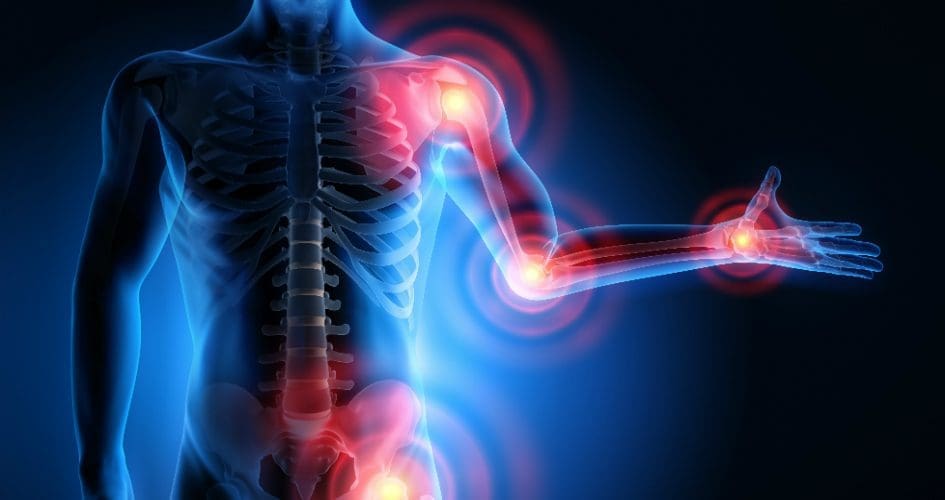
Oxidative Stress and The Musculoskeletal System
Skeletal muscle atrophy is a condition in which one has a loss of muscle mass and, as a consequence, has muscular weakness and decreased force generation. One of the reasons we see a loss in muscle mass is oxidative stress. The importance of oxidative stress in skeletal muscles should not be underestimated as it can regulate protein synthesis. Skeletal muscle is a tissue that continuously produces oxidant species. This is normal, as mentioned above. Although it is normal for the muscle to produce oxidative stress to repair and regenerate muscle during exercise, a local sustained oxidative stress level may cause injury.
InBody
We use the InBody 770 at our clinic to keep track of our patients Skeletal Muscle Mass. It is crucial to make sure our patients have a healthy skeletal muscle mass range. Not only does the InBody 770 report tell us the SMM, but it also provides insight into our patient’s visceral fat, inflammation levels, water levels, phase angle, and percent body fat. Please see the video below for more information on the phase angle.
We have always known that genetics play a role in our health, but uncovering their true potential and how the environment can influence them is truly remarkable. We can make healthcare personal and to better benefit you. -Kenna Vaughn, Senior Health Coach
References: