Get insights into histamine intolerance, its causes, and how to improve your quality of life with manageable solutions.
Table of Contents
Introduction
How frequently does eating cause discomfort or a burning feeling in your stomach? Does consuming a certain cuisine cause your skin to become heated and irritated? Or have you seen that your upper muscles begin to hurt as a result of your frequent sneezing? Many of the people going through these things can be suffering from a histamine assault that is harming their immune systems and bodies. The function of histamine, its symptoms, the reasons of histamine intolerance, and potential dietary strategies to lessen histamine-related bodily responses will all be covered in today’s article.
What Is Histamine?
When it comes to the human body, the immune system is the body’s first line of defense against any foreign invaders in the body. Histamine plays an essential role in the human body. As a chemical messenger, it helps regulate immune and inflammatory responses and stomach acid secretion and acts as a neurotransmitter in the brain. It’s naturally produced by mast cells, basophils, and certain neurons and is also found in many foods. Histamine binds to histamine receptors (H1, H2, H3, and H4) throughout the body. (Patel & Mohiuddin, 2025) These receptors mediate processes such as:
- Vasodilation (widening of blood vessels)
- Gastric acid secretion
- Smooth muscle contraction
- Neurological signaling
- Immune system activation
In short, histamine is essential for maintaining homeostasis and defending against pathogens. However, balance is key. Excessive histamine—especially when the body can’t efficiently degrade it—leads to symptoms commonly mistaken for allergies, gastrointestinal disorders, or hormone imbalance.
What Is Histamine Intolerance
Histamine intolerance is not a true allergy. Instead, it refers to a reduced ability to break down histamine in the body, often due to insufficient levels of the enzymes diamine oxidase (DAO) or histamine-N-methyltransferase (HNMT), both of which are responsible for metabolizing histamine. (Comas-Baste et al., 2020) When these enzymes are impaired or overwhelmed, histamine accumulates and causes a cascade of symptoms that may be chronic, intermittent, or situational, depending on dietary intake, gut health, hormone levels, and environmental factors.
Symptoms of Histamine Intolerance
Histamine intolerance affects multiple systems, often making it difficult to diagnose when individuals are undergoing treatment. This is because histamine is a potent inflammatory mediator associated with allergic reactions, causing vascular and tissue changes in the body. (Branco et al., 2018) Symptoms may vary from mild to severe and can include:
Dermatological:
- Flushing or redness of the skin
- Hives (urticaria)
- Eczema or unexplained itching
Gastrointestinal:
- Bloating, gas, or abdominal pain
- Diarrhea or constipation
- Nausea or vomiting
- Heartburn (due to increased stomach acid)
Respiratory:
- Nasal congestion or a runny nose
- Asthma-like symptoms
- Difficulty breathing (in severe cases)
Cardiovascular:
- Low blood pressure
- Dizziness or lightheadedness
- Rapid or irregular heartbeat
Neurological:
- Headaches or migraines
- Anxiety
- Insomnia or sleep disturbances
- Brain fog or difficulty concentrating
Reproductive:
- Menstrual irregularities
- Worsened symptoms during estrogen surges (e.g., ovulation, PMS)
If symptoms improve with a low-histamine diet or DAO supplementation, this may point toward histamine intolerance.
Causes and Risk Factors of Histamine Intolerance
The most direct cause is a deficiency or dysfunction in the enzymes DAO (in the gut) or HNMT (in tissues), which are responsible for breaking down histamine.
2. Gut Dysbiosis
When the gut microbiome becomes imbalanced with environmental factors, it can lead to increased histamine production by certain bacteria and reduced DAO activity, especially in cases of:
- Small Intestinal Bacterial Overgrowth (SIBO)
- Inflammatory bowel disease (IBD)
- Leaky gut syndrome
This is because gut bacteria play a crucial role in the body, providing food digestion and immune activation, and regulating the entero-endocrine signaling pathways to ensure the body works properly. (Dicks, 2022)
3. Genetic Polymorphisms
Variants in genes encoding DAO or HNMT enzymes may reduce their function, increasing susceptibility to histamine intolerance.
4. Nutritional Deficiencies
Vitamin B6, copper, and vitamin C deficiency—all cofactors for DAO activity—can impair histamine metabolism.
5. Medications
Several medications are known to block DAO or trigger histamine release, such as:
- NSAIDs (ibuprofen, aspirin)
- Antidepressants (SSRIs, MAO inhibitors)
- Muscle relaxants
- Diuretics
- Certain antibiotics
6. Hormonal Fluctuations
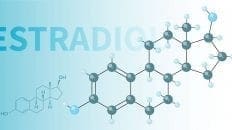
Estrogen can inhibit DAO, which explains why many women experience worsened histamine symptoms during PMS, pregnancy, or estrogen-dominant conditions like PCOS or endometriosis.
Fighting Inflammation Naturally-Video
High-Histamine Foods to Avoid
To manage histamine intolerance, a low-histamine diet is often a first-line approach. Common high-histamine or histamine-liberating foods include:
- Aged cheeses (Parmesan, blue cheese)
- Processed meats (salami, ham, bacon)
- Fermented foods (sauerkraut, soy sauce, kombucha, yogurt)
- Alcohol (especially red wine and beer)
- Vinegar and pickled products
- Tomatoes, eggplants, and spinach
- Citrus fruits
- Shellfish
- Chocolate
- Nuts (especially walnuts, cashews, peanuts)
This is because environmental factors like eating various foods can lead to food intolerances, thus causing histamine accumulation. (Jochum, 2024)
Foods That May Help Reduce Histamine Reactions
A well-structured anti-histamine diet should include foods that are low in histamine and support DAO activity and gut health. A low histamine diet can reduce the chances of histamine reactions by eliminating foods that contain histamine and cause responses in the body. (Sanchez-Perez et al., 2021) Here are some food categories that may help minimize histamine burden:
1. DAO-Supportive Nutrients
- Vitamin C: Bell peppers, broccoli, kiwi, strawberries
- Vitamin B6: Bananas, turkey, sunflower seeds
- Copper: Shiitake mushrooms, sesame seeds, cashews (with caution)
2. Natural Antihistamine Foods
These help stabilize mast cells and reduce histamine release:
- Quercetin-rich foods: Apples (peeled), onions, kale, green tea
- Turmeric: Contains curcumin, which has mast-cell-stabilizing properties
- Ginger: Helps with nausea and inflammation
- Holy basil (tulsi): Adaptogen and natural antihistamine
3. Gut-Healing Foods
- Bone broth (if tolerated; avoid long cooking times to reduce histamine)
- Fresh meats and poultry (cooked and eaten immediately)
- Non-citrus fruits like pears, blueberries, and watermelon
- Gluten-free whole grains (quinoa, rice, millet)
Functional Medicine Approach to Histamine Intolerance
When finding a holistic approach for reducing histamine intolerance, many healthcare professionals can devise a customized treatment plan to assess the individual. Histamine intolerance often exists alongside broader systemic dysfunctions such as:
- Chronic stress
- Heavy metal toxicity
- Hormonal imbalance
- Environmental triggers
- Autoimmune conditions
In addressing histamine intolerance, it’s important to:
- Identify underlying triggers using functional lab testing (e.g., gut microbiome panels, food sensitivity testing, genetic SNP analysis).
- Rebuild DAO capacity with nutrient repletion and, if necessary, temporary DAO supplementation.
- Support detoxification pathways, especially the liver and gut.
- Heal the gut barrier through probiotics (non-histamine producing), prebiotics, and anti-inflammatory foods.
Final Thoughts: Empowering Healing Through Nutrition and Insight
Although histamine intolerance is often misdiagnosed or disregarded, it may significantly impair many people’s quality of life. Many patients find great relief from their symptoms by comprehending them, figuring out the causes, and adopting thoughtful food and lifestyle adjustments. As is the case with any chronic illness, bioindividuality is important. What sets one person off could be very harmless to another. Healing often entails patient observation, trial and error, and sometimes expert advice. For those who suffer from histamine intolerance, a personalized holistic treatment plan may help them regain equilibrium and enhance their overall health.
Injury Medical & Functional Medicine Clinic
We associate with certified medical providers who understand the importance of assessing individuals with histamine intolerances affecting their bodies. When asking important questions to our associated medical providers, we advise patients to incorporate small changes in their routine to reduce the chances of aggravating histamine symptoms from affecting the body. Dr. Alex Jimenez, D.C., uses this information as an academic service. Disclaimer.
References
Branco, A. C. C. C., Yoshikawa, F. S. Y., Pietrobon, A. J., & Sato, M. N. (2018). Role of Histamine in Modulating the Immune Response and Inflammation. Mediators of Inflammation, 2018, 1-10. https://doi.org/10.1155/2018/9524075
Comas-Baste, O., Sanchez-Perez, S., Veciana-Nogues, M. T., Latorre-Moratalla, M., & Vidal-Carou, M. D. C. (2020). Histamine Intolerance: The Current State of the Art. Biomolecules, 10(8). https://doi.org/10.3390/biom10081181
Dicks, L. M. T. (2022). Gut Bacteria and Neurotransmitters. Microorganisms, 10(9), 1838. https://doi.org/10.3390/microorganisms10091838
Jochum, C. (2024). Histamine Intolerance: Symptoms, Diagnosis, and Beyond. Nutrients, 16(8), 1219. https://doi.org/10.3390/nu16081219
Patel, R. H., & Mohiuddin, S. S. (2025). Biochemistry, Histamine. In StatPearls. https://www.ncbi.nlm.nih.gov/pubmed/32491722
Sanchez-Perez, S., Comas-Baste, O., Veciana-Nogues, M. T., Latorre-Moratalla, M. L., & Vidal-Carou, M. C. (2021). Low-Histamine Diets: Is the Exclusion of Foods Justified by Their Histamine Content? Nutrients, 13(5). https://doi.org/10.3390/nu13051395