Unlock effective symptom management and root-cause healing for a healthier lifestyle by treating underlying issues.
Table of Contents
Introduction Abstract
As a clinician and researcher practicing at the intersections of chiropractic medicine and advanced family practice nursing, I have witnessed a profound shift in both the expectations of our patients and the capabilities of modern clinical science. In this educational post, I present a deeply integrated, evidence-based narrative that explores how we, as health professionals, can recalibrate our daily approach to care—moving beyond reactive “sick-care” toward proactive, root-cause, precision health. The themes discussed here reflect my observations in practice as Dr. Alexander Jimenez, DC, APRN, FNP-BC, and the evolving research landscape, including translational methods that bridge bench science and clinical outcomes. Drawing on and showcasing modern, rigorous methodologies—randomized controlled trials, adaptive clinical trial designs, omics-driven biomarkers, quantitative systems pharmacology, network medicine, and machine-learning-assisted decision support—we will break down concepts into practical frameworks.
This post begins with a historical analysis of medicine’s trajectory, highlighting how protocol-driven and pharmaceutical-first models became dominant, why many protocols persist past their evidentiary prime, and how the scientific method can help us navigate ambiguities in medical literature. We will review the physiologic foundations of cardiometabolic health, neuroendocrine balance, immunometabolism, and mitochondrial function to explain why interventions such as therapeutic nutrition, hormone optimization, thyroid balancing, peptide therapies, exosomes, and lifestyle medicine (exercise, sleep, stress regulation) are clinically relevant. Each modality will be examined in mechanistic detail to explain how and why these interventions work—the receptor-level pharmacodynamics, downstream signaling cascades, cellular stress responses, endocrine-immune crosstalk, and their impacts on the brain, vasculature, bone, and connective tissues.
We will also address the controversial and rapidly evolving areas of practice—such as lipid management paradigms, statin therapy controversies, the relationship between cognitive health and cholesterol, and dendritic cell immunobiology—by contextualizing claims within the hierarchy of evidence and acknowledging limitations, confounders, and the need for patient-specific risk stratification. The discussion covers the Women’s Health Initiative (WHI) legacy on hormone therapy, recent regulatory updates on estrogen labeling, and best practices for hormone replacement therapy (HRT) using safer, more physiologic protocols. Throughout, I will incorporate clinical observations from HealthVoice360 case narratives to illustrate how individualized care plans—built on reproducible measurements and validated outcomes—can yield tangible, life-changing results.
A practical section is dedicated to implementing care models that respect medical freedom while maintaining rigorous evidence-based standards, including strategies for managing payer constraints, ensuring informed consent, and using decision-support algorithms without abandoning critical thinking. We will explore a precision nutrition framework that addresses hyperinsulinemia, inflammation, and gut dysbiosis, as well as a thyroid optimization toolkit that combines accurate diagnostics (TSH, free T3/T4, reverse T3, thyroid antibodies), symptom mapping, and dose titration grounded in clinical pharmacology. We’ll compare delivery mechanisms for HRT (pellets, transdermal, oral, sublingual) and outline safety protocols—monitoring estradiol, progesterone, testosterone, SHBG, lipids, liver enzymes, hematocrit, and coagulation parameters—supported by recent consensus guidelines.
We will then transition into peptides and extracellular vesicles (exosomes), exploring their immunomodulatory, neurotrophic, and regenerative potential while carefully noting regulatory boundaries, quality assurance, and appropriate clinical indications. We’ll review strategies for the prevention or amelioration of chronic conditions—cardiometabolic syndrome, neurodegeneration, osteoporosis, autoimmune dysregulation—by combining root-cause analysis, multimodal interventions, and longitudinal tracking (HRV, CGM, DXA, carotid IMT, cognition assessments, microbiome panels, and metabolomics).
Finally, I’ll lay out an operational blueprint for building and sustaining a high-integrity, patient-centric practice—one that can thrive outside the traditional constraints of reactive medicine. This includes patient communication techniques, documentation standards, pathways to navigate medical boards, and pragmatic billing models that preserve clinical autonomy. The post concludes with a comprehensive summary highlighting practical steps we can take—beginning on 2026-01-16—to restore vitality, resilience, and freedom in healthcare, supported by modern science and measured by outcomes that matter most: patients’ lived health.
Bold Vision for Evidence-Based, Patient-Centered Healthcare
As I reflect on what we do day-to-day, I recognize that our charge is larger than a set of protocols—it is a commitment to a scientific culture that welcomes questions, gathers robust data, and bravely aligns clinical practice with evolving evidence. My intent here is to share the heartbeat of our work: integrating real-world clinical observations with rigorous evidence-based research, to transform care for every patient who walks into our clinic.
- We honor the scientific method—observation, hypothesis generation, testing, analysis, replication—applied to each individual.
- We leverage modern tools—high-resolution diagnostics, bioinformatics, metabolomics—to make precision decisions.
- We protect medical freedom by ensuring informed choices, transparent risk disclosure, and therapy aligned with patient values.
- We build partnerships among practitioners, researchers, and patients, so knowledge translates into outcomes.
This is the beginning of an actionable, research-grounded conversation about the future of medicine—one we will conduct with humility, rigor, and patient-first purpose.
Historical Context: Why the Past Does Not Define Our Future
The Evolution of Protocol-Driven Care
Medicine evolved from observational traditions (1700s) through the emergence of organized scientific inquiry (1800s), accelerating into industrialized protocol-driven care in the early 1900s. While protocols standardize safety and reduce variability, they can inadvertently suppress critical thinking. The dominance of standardized care—especially from the late 20th century onward—created a system that often prioritizes symptom management over root-cause investigation.
The Rise of Pharmaceutical-First Models
By the 1980s, pharmaceutical intervention became the default approach for high-prevalence conditions—hypertension, hyperglycemia, dyslipidemia—contributing to a medication-first culture. Medications can be life-saving and pivotal, but when they become the exclusive solution, they can sideline nutrition, lifestyle, endocrine balance, and gut health. Over-reliance on pharmacotherapy risks polypharmacy and may overlook upstream physiology, such as insulin signaling, mitochondrial function, or autonomic balance.
The Scientific Method Reclaimed
Reclaiming medicine means reasserting the scientific method to test assumptions, continuously update protocols, and define care in terms of reproducible, patient-centered outcomes. Evidence-based care integrates:
- Randomized Controlled Trials (RCTs) were available.
- Prospective cohorts and registries for real-world evidence.
- Mechanistic studies that explain why interventions work.
- Adaptive designs to refine therapies as data accrue.
- Systematic reviews and meta-analyses that weigh heterogeneity and bias.
- N-of-1 experiments that respect clinically meaningful differences.
This framework ensures we move beyond historical inertia to modern, validated approaches.
The Physiology of Health: Foundations for Root-Cause Care
Cardiometabolic Axis
The cardiometabolic system is governed by insulin signaling, hepatic lipid metabolism, endothelial function, autonomic balance, and inflammatory tone.
- Insulin resistance triggers hyperinsulinemia, hepatic de novo lipogenesis, visceral adiposity, and systemic inflammation.
- Endothelial dysfunction (via reduced nitric oxide) increases vascular stiffness and fosters atherogenesis.
- Chronic inflammation—heightened by IL-6, TNF-?, and CRP—impairs HDL function and destabilizes plaques.
- Dyslipidemia patterns (high triglycerides, small dense LDL, low HDL) reflect metabolic stress rather than isolated cholesterol numbers.
Root-cause cardiometabolic care targets insulin dynamics, adipose tissue signaling, mitochondrial performance, and endothelial repair.
Neuroendocrine Harmony
The HPA (hypothalamic-pituitary-adrenal) axis, HPT (thyroid) axis, and HPG (gonadal) axis orchestrate metabolism, mood, cognition, bone health, and cellular repair.
- Cortisol dysregulation undermines insulin sensitivity, sleep quality, and immune function.
- Thyroid hormones (T3/T4) modulate basal metabolic rate, thermogenesis, and mitochondrial biogenesis.
- Sex steroids—estradiol, progesterone, testosterone—guide neuroplasticity, bone turnover, muscle mass, libido, and vascular dilation.
Optimizing these axes requires precise diagnostics and, when indicated, balanced hormone replacement.
Immunometabolism
Immune cells rely on metabolic pathways:
- Activated T cells shift toward glycolysis; memory T cells favor oxidative phosphorylation.
- Dendritic cells require lipid metabolism for antigen presentation and signaling.
- Adipose tissue acts as an immune organ—dysregulated adipokines (leptin, adiponectin) alter immune tone.
Interventions that correct metabolic pathways can recalibrate immune function—reducing chronic inflammation and improving resilience.
Mitochondrial Function and Cellular Energy
Mitochondria regulate ATP production, reactive oxygen species (ROS), apoptosis, and metabolic homeostasis. Dysfunction manifests as fatigue, cognitive dulling, insulin resistance, and impaired tissue repair. Therapies—exercise, nutrient co-factors (e.g., CoQ10, alpha-lipoic acid, carnitine), thyroid balance, and peptides—may support mitochondrial biogenesis and function.
Nutrition as Foundational Therapy
Precision Nutrition Strategies
Nutrition is not a generic diet plan; it is a physiologic intervention targeting insulin dynamics, inflammation, gut integrity, and micronutrient sufficiency. Evidence supports:
- Lowering refined carbohydrates to improve glycemic control and reduce triglycerides.
- Prioritizing whole proteins and healthy fats to stabilize satiety signals and preserve lean mass.
- Increasing fiber and polyphenols for microbiome diversity and improved short-chain fatty acid (SCFA) production.
- Modulating feeding windows to enhance insulin sensitivity and autophagic cellular cleanup.
Why Nutrition Works Mechanistically
- Improved glucose handling reduces HbA1c, lowers glycated end products, and decreases oxidative stress.
- Healthy fats and omega-3s attenuate NNF-? signaling and stabilizing membranes.
- SCFAs from fiber fermentations strengthen epithelial barriers, reduce endotoxemia, and enhance regulatory T cell activity.
- Nutritional repletion (magnesium, zinc, vitamin D, B vitamins) supports enzymatic pathways crucial for energy metabolism and neurotransmitter synthesis.
Clinical Implementation
- Baseline labs: fasting insulin, glucose, lipid subfractions, hs-CRP, Lp(a), homocysteine, ferritin, and vitamin D.
- Tools: CGM for real-time feedback; apps for meal tracking; HRV monitoring for stress-eating patterns.
- Personalization: adjust carbohydrate load based on CGM patterns; titrate protein to preserve muscle mass; customize fat intake based on lipid phenotypes.
Thyroid Optimization: Physiology, Diagnostics, and Therapeutics
Thyroid Physiology
TSH from the pituitary stimulates the thyroid to produce T4, which is converted to T3. Reverse T3 (rT3) acts as a co-factor (selenium, iron) that supports deiodinase enzymes.
- Underconversion to T3 results in symptoms despite a “normal” TSH.
- Autoimmune thyroiditis (TPO/Tg antibodies) drives fluctuating function and systemic inflammation.
Diagnostic Precision
- TSH, free T4, free T3, reverse T3, TPO antibodies, Tg antibodies, ferritin, selenium, zinc, and vitamin D.
- Consider adrenal context: high cortisol disrupts T4?T3 conversion; inflammatory cytokines favor rT3 production.
Therapeutic Reasoning
- Levothyroxine (T4) suffices for many; however, combination therapy (LT4/LT3) may benefit poor converters.
- Nutrient repletion and stress modulation improve conversion.
- Dose titration guided by symptoms, labs, and cardiac tolerance (monitor HR, arrhythmia risk).
Hormone Replacement Therapy (HRT): Evidence, Safety, and Delivery
The WHI Legacy and Modern Reappraisal
Early interpretations of the Women’s Health Initiative (WHI) led to the broad withdrawal of estrogen therapies due to concerns about breast cancer and cardiovascular risk. Subsequent reanalyses highlighted effects of age at initiation, hormone type, and route of administration. Modern findings support:
- Transdermal estradiol with micronized progesterone has a safer profile.
- Early initiation (perimenopause or early postmenopause) may confer cardiometabolic and cognitive benefits in appropriate patients.
Estrogen Physiology
Estradiol:
- Promotes synaptic plasticity, glucose transport in neurons, and reduces amyloidogenic processing.
- Increases nitric oxide synthase in the endothelium.
- Maintains bone density via osteoblast support and reduced osteoclast activity.
Progesterone and Testosterone
- Micronized progesterone stabilizes the endometrium, improves sleep, and modulates GABAergic tone.
- Testosterone supports muscle mass, libido, and mood, and can improve insulin sensitivity in carefully dosed regimens.
Delivery Mechanisms
- Pellets provide steady-state levels and high compliance.
- Transdermal routes minimize first-pass hepatic effects and may reduce thrombotic risk.
- Oral routes demand careful risk assessment for lipids and coagulation.
Safety Protocols and Monitoring
- Baseline and follow-up: estradiol, progesterone, testosterone, SHBG, CBC (hematocrit), CMP (liver enzymes), lipid panel, fasting insulin, TSH, free T3/T4, rT3.
- Men: monitor hematocrit with testosterone therapy; target symptom relief without supraphysiologic levels.
- Women: ensure balanced progesterone to oppose estradiol when a uterus is present; monitor breast health with appropriate imaging.
Lipid Management, Cholesterol Biology, and Cognitive Health
Cholesterol Physiology
Cholesterol is essential for:
- Neuronal membrane structure and synapse
- Myelin stability and steroid hormone synthesis.
- Lipid rafts that mediate receptor signaling.
The brain primarily regulates its own cholesterol pool via local synthesis, rather than direct peripheral uptake. Peripheral cholesterol levels reflect hepatic production, dietary influences, insulin status, and genetic factors.
Dendritic Cells and Immunologic Communication
Emerging research indicates lipid metabolism modulates dendritic cell function—antigen presentation, cytokine signaling, and T cell priming. While nuanced, these findings suggest that lipid availability can influence immune responsiveness, including tumor surveillance, but clinical translation requires cautious interpretation and consideration of disease-specific context.
Statin Use: Risk-Benefit Context
Statins reduce LDL-C and cardiovascular events in appropriately selected patients, particularly in secondary prevention or high-risk primary prevention. However:
- Overgeneralized use without risk stratification may introduce side effects (myalgia, insulin resistance) and reduce CoQ10
- Patient-centered decisions should incorporate non-LDL markers—ApoB, Lp(a), LDL particle number—and global risk estimation.
- Lifestyle interventions that address insulin resistance can often improve lipid profiles and reduce overall risk.
Practical Algorithm
- Stratify risk with ASCVD calculators and biomarkers (ApoB, Lp(a)).
- Prioritize lifestyle changes; consider statins or alternatives (ezetimibe, PCSK9 inhibitors) when risk justifies pharmacologic intervention.
- Monitor for cognitive complaints, muscle symptoms, glycemic changes; support with CoQ10 when indicated.
Peptides: Mechanisms, Indications, and Evidence
What Peptides Do
Clinical peptides may:
- Modulate inflammation (e.g., thymic peptides).
- Enhance tissue repair and angiogenesis.
- Influence metabolism and mitochondrial function.
- Support neurotrophic pathways.
Mechanistic Rationale
Peptides interact with cell-surface receptors or activate intracellular signaling cascades to modulate gene expression, cytokine profiles, and regenerative processes. Examples include modulation of AMPK, mTOR, PGC-1?, or BDNF-related neuroplasticity.
Regulatory and Quality Considerations
- Source peptides from compliant, quality-assured compounding or research-grade suppliers.
- Maintain documentation for indications, informed consent, and monitoring.
- Clinical use should be aligned with evolving regulations and safety data.
Clinical Monitoring
- Biomarkers tied to indication (CRP, cytokine panels, metabolic markers, HRV).
- Functional outcomes (pain scales, performance metrics, cognitive batteries).
- Adverse effect tracking and dose titration.
Exosomes and Extracellular Vesicles: Potential and Caution
Biology of Exosomes
Exosomes carry proteins, lipids, and miRNAs that can reprogram recipient cells—affecting inflammation, regeneration, and immune responses.
Clinical Promise
Preclinical and early clinical data suggest potential benefits for osteoarticular repair, modulation of neuroinflammation, and skin regeneration. However:
- Standardization, purity, and source control are crucial.
- Regulatory oversight is evolving; evidence is heterogeneous.
Practical Use
- Consider only within stringent clinical research frameworks or with clear quality assurance.
- Use outcomes metrics and adverse event surveillance.
- Avoid generalized use without indication-specific rationale and patient consent.
Integrated Care Model: Treating Smarter, Root-Cause First
The Three Starting Pillars
- Hormone Status: Assess and optimize sex hormones, thyroid function, and adrenal context to restore energy, cognition, and structural integrity.
- Thyroid Function Conversion Issues, Autoimmune Load, and Nutrient Co-factors.
- Nutrition: Implement individualized plans targeting insulin dynamics, microbiome health, and inflammation.
Why Pellets Can Be Effective
- High compliance, steady release, reduced daily decision burden.
- Appropriate for patients who struggle with adherence or variable absorption.
- Require rigorous dosing algorithms, symptom tracking, and follow-up labs.
Evidence-Based Dosing and Algorithms
Use standardized dosing frameworks grounded in the literature and validated by clinical outcomes. Apply critical thinking to adjust dosing based on symptom resolution, lab kinetics, and adverse events.
Clinical Observations from HealthVoice360: Patient Narratives
From my experience and case stories documented at HealthVoice360, I’ve seen patients arrive after years of fragmented care—polypharmacy without symptom resolution, unaddressed sleep apnea, unmanaged thyroid underconversion, and unrecognized insulin resistance. When we apply a root-cause framework:
- Migraines abate after stabilizing hormones, correcting sleep disorders, and eliminating dietary triggers.
- Fatigue resolves as iron deficiency is corrected and thyroid conversion improves.
- Cognitive fog lifts with balanced estradiol/progesterone, improved sleep architecture, and mitochondrial support.
These outcomes are not anecdotal alone. We track:
- Objective measures (HbA1c, ApoB, hs-CRP).
- Functional tests (VO2 max estimates, grip strength).
- Patient-reported outcomes (PROMIS fatigue, pain interference).
- Imaging or advanced markers (DEXA bone density, carotid IMT, CGM patterns).
When root causes are addressed, secondary symptoms often recede, providing durable improvements.
Medical Freedom and Evidence: How to Balance
Informed Choice with Scientific Rigor
- Provide options grounded in evidence tiers; disclose uncertainties and alternatives.
- Document rationales; use shared decision-making tools.
- Resist one-size-fits-all mandates from third parties when they are contraindicated in the patient’s context.
Navigating Payer Constraints
- Offer transparent cash pathways when evidence-based options are excluded from coverage.
- Support appeals with citations to the literature and guideline concordance.
- Maintain patient autonomy through clear communication about costs and benefits.
Protecting Clinical Integrity
- Follow established protocols where supported; deviate only with documented reasoning.
- Keep meticulous records of indication, risk discussion, consent, monitoring, and outcomes.
- Maintain readiness for board reviews by grounding decisions in peer-reviewed evidence.
Practical Implementation: From Theory to Practice
Intake and Baseline Evaluation
- Comprehensive history: sleep, nutrition, stress, environmental exposures, menstrual or andropause status, medications, supplements.
- Baseline labs: CBC, CMP, thyroid panel (TSH, free T3/T4, rT3), lipid panel (including ApoB), insulin and glucose metrics, hs-CRP, ferritin, vitamin D, B12, folate.
- Optional: CGM, HRV tracking, gut panels, DXA, bone markers, hepatic ultrasound if indicated.
Building the Plan
- Nutrition: personalized macronutrients; anti-inflammatory patterns; fiber and polyphenol targets; repletion of deficiencies.
- Movement: resistance training for bone and muscle; aerobic for endothelial health; flexibility for joint preservation.
- Sleep: assess for apnea; optimize sleep hygiene; address nighttime cortisol spikes.
- Stress: HRV biofeedback; cognitive-behavioral strategies; mindfulness or breathwork.
Hormone and Thyroid Adjustments
- Initiate HRT or thyroid therapy when indicated; select the delivery method based on safety profile and patient preference.
- Titrate based on symptoms, labs, and adverse effect surveillance.
Peptides and Advanced Therapies
- Introduce when a clear mechanistic rationale exists, and risk is acceptable.
- Monitor closely and discontinue if no benefit or adverse effects arise.
Follow-Up and Outcomes
- 6–12 week intervals for early titration; quarterly for stable patients.
- Track labs, PROMs, functional metrics, and lifestyle adherence.
- Iterate the plan with adaptive changes based on objective and subjective feedback.
Reconsidering” Standard of Care”: Critical Thinking Restored
The “standard of care” is a moving target. Good clinicians do not abandon protocols; they enhance them with patient-specific logic and up-to-date evidence. Critical thinking means:
- Challenging outdated dogma when data shifts.
- Avoiding therapeutic inertia.
- Elevating care with smarter diagnostics and individualized dosing.
Building a Modern Practice: Systems, Documentation, and Partnerships
Systems
- Implement EHR templates that capture root-cause frameworks.
- Integrate decision support with override documentation.
- Use registries to aggregate outcomes and publish real-world evidence.
Documentation
- Record rationale, citations, and consent for non-traditional modalities.
- Maintain risk-benefit summaries and monitoring schedules.
- Ensure clarity for cross-coverage and board audits.
Partnerships
- Collaborate with colleagues across disciplines—endocrinology, cardiology, rheumatology—when cases are complex.
- Engage with reputable labs and compounding pharmacies adhering to quality standards.
- Participate in continuous education and peer review.
Patient Communication: The White Coat Power Used Responsibly
Patients look to us for authoritative guidance—this trust must be earned and honored:
- Explain mechanisms and sincerely.
- Set expectations for timelines and effort required.
- Reinforce patient agency with practical tools and coaching.
From Reactive Sick-Care to Proactive Well-Care
The transition is philosophical and practical:
- Treat patients, not paper.
- Prioritize prevention over crisis management.
- Invest in lifestyle change as first-line therapy, with pharmacologic support when needed.
- Measure what matters—energy, function, vitality, resilience.
Case Integration: Migraines, Metabolic Syndrome, and Menopause
Migraines
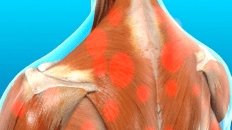
Root causes may include fluctuating hormones, sleep fragmentation, nutritional triggers (histamine, tyramine), gut dysbiosis, or cervical myofascial dysfunction. Treatment:
- Stabilize estradiol and progesterone.
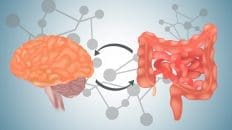
- Eliminate dietary triggers and improve gut health.
- Correct sleep apnea and stress physiology.
- Address musculoskeletal contributors with targeted manual therapy.
Metabolic Syndrome
Drivers: insulin resistance, visceral adiposity, hepatic steatosis, inflammation. Treatment:
- Nutritional overhaul with CGM-guided carbohydrate modulation.
- Resistance and aerobic training.
- Sleep optimization and stress regulation.
- Consider pharmacologic support if the risk remains high after lifestyle changes.
Menopause
Symptoms: vasomotor instability, mood changes, cognitive fog, and bone loss. Treatment:
- Transdermal estradiol plus micronized progesterone when indicated.
- Sleep hygiene and stress interventions.
- Resistance training for bone and muscle.
- Monitor labs and adjust therapy for safety and efficacy.
Research Methods Showcased
- RCTs and pragmatic trials for generalizability.
- Cohorts and registries for long-term outcomes.
- Mechanistic studies to explain physiologic changes.
- Machine learning to detect patterns in complex data.
- N-of-1 designs empower individualized medicine.
Ethical and Legal Considerations
- Informed consent is fundamental.
- Transparency about evidence tiers and uncertainties.
- Board-ready documentation of clinical reasoning and safety measures.
- Avoid therapies without reliable quality controls or plausible mechanisms.
Continuous Quality Improvement
- Use Plan-Do-Study-Act cycles.
- Audit outcomes quarterly.
- Update protocols as new evidence emerges.
- Encourage peer case reviews for complex scenarios.
Why These Techniques Are Used: The Reasoning Behind Each Protocol
- Nutrition: Directly modifies insulin and inflammatory pathways; improves mitochondrial function and microbiome health.
- HRT: Restores physiologic signaling lost with menopause/andropause; supports neurovascular integrity and bone health.
- Thyroid therapy: Corrects metabolic dysregulation; enhances cellular energy and brain function.
- Peptides: Targeted signaling modulation for repair and resilience; adjuncts to lifestyle and standard therapies.
- Exosomes: Potential regenerative messaging; reserved for research-grade applications and rigorous oversight.
- Exercise: Mechanotransduction stimulates bone, muscle, and mitochondrial biogenesis; improves endothelial function.
- Sleep: Repair biology depends on deep sleep; growth hormone and glymphatic clearance occur nocturnally.
- Stress regulation: HRV-targeted interventions stabilize autonomic balance and reduce cortisol-mediated metabolic disruption.
Each protocol is selected based on individual context—risk profiles, lab findings, symptom burden—and adjusted to produce measurable, meaningful outcomes.
Timeline to Action: Beginning 2026-01-16
Starting today, 2026-01-16, we can:
- Reassess our intake and lab protocols to reflect root-cause priorities.
- Implement CGM and HRV tracking in appropriate patients.
- Create personalized nutrition roadmaps with iterative adjustments.
- Review our HRT and thyroid dosing algorithms for physiologic balance and safety.
- Establish a registry to capture outcomes and support continuous improvement.
- Educate patients with clear, actionable guidance and supportive tools.
Summary
We commit to a future of medicine anchored in evidence-based, patient-centered, and root-cause care. Our historical context shows how protocol-driven and pharmaceutical-first approaches often sideline lifestyle, endocrine, and immune-metabolic interventions. By reclaiming the scientific method, we refine care through modern tools—CGM, HRV, omics—and an integrated plan embracing nutrition, HRT, thyroid optimization, peptides, and structured lifestyle changes. We balance medical freedom with rigorous standards, document decisions for accountability, and partner with patients to achieve durable outcomes. The reasoning behind each protocol—physiologic, mechanistic, and clinical—is transparent and tailored. With careful monitoring and adaptive iteration, we transition from reactive sick care to proactive well care, restoring vitality and resilience.
Conclusion
The future of medicine is not about abandoning pharmacology or protocols—it is about elevating them within a comprehensive framework that honors physiology and individual variability. We serve our patients best when we combine critical thinking, robust research, and compassionate partnership. By integrating nutrition, hormones, thyroid, peptides, sleep, stress, and movement, we address the true drivers of chronic disease. Starting on 2026-01-16, we will build practices that measure what matters and deliver care aligned with patients’ lived experience. This is how we restore health, vitality, and freedom—one person, one plan, and one outcome at a time.
Key Insights
- Root-cause, precision care outperforms one-size-fits-all models by targeting insulin dynamics, inflammation, endocrine balance, and mitochondrial health.
- Evidence-based practice blends RCTs, real-world data, mechanistic insights, and N-of-1 approaches to individualize therapy.
- Hormone optimization, thyroid balancing, and nutrition form the three foundational pillars for restoring energy, cognition, and structural health.
- Medical freedom must coexist with rigorous documentation and safety monitoring, enabling patient choice and protecting clinical autonomy.
- Continuous improvement—via registries, audits, and adaptive protocols—translates science into durable patient outcomes.
Keywords: root-cause medicine, evidence-based practice, hormone replacement therapy, thyroid optimization, precision nutrition, insulin resistance, cardiometabolic health, mitochondrial function, immunometabolism, dendritic cells, cholesterol physiology, statin risk-benefit, peptides, exosomes, CGM, HRV, WHI estrogen reappraisal, medical freedom, proactive well-care
References:
- HealthVoice360 clinical observations and case narratives by Dr. Alexander Jimenez, DC, APRN, FNP-BC: https://healthvoice360.com/
- Contemporary reviews and guidelines on HRT safety and efficacy
- Research on insulin resistance, endothelial function, and lipid subfractions (ApoB, Lp(a))
- Studiecofactorsid convecofactorsoimmune thyroiditis, and nutrient co-factors
- Emerging literature on peptides and extracellular vesicles, regulatory perspectives, and safety frameworks
- Mechanistic insights into immunometabolism, mitochondrial biogenesis, and neuroendocrine regulation
Disclaimers:
- The content provided in this educational post is for informational purposes only and should not be used as medical advice.
- All individuals must obtain recommendations for their personal situations from their own medical providers.