Explore causes and solutions for spine and back pain after car accident injuries. Take proactive steps towards healing.
Table of Contents
Introduction
A person’s back, spine, and upper and lower limbs may sustain physical injuries from a vehicle collision, particularly if it was slight. Acute or persistent pain may arise from injuries brought on by the abrupt forces involved in a collision. Do your shoulders, back, and neck feel stiff? Does your back hurt all the way down? Or have you been plagued by headaches that keep you from completing your everyday tasks? Today, we will examine and comprehend the reasons behind back and spine discomfort, identify its symptoms, and investigate how people may heal and reclaim their quality of life with the use of efficient therapies like chiropractic adjustments.
Spine & Back Pain Causes After a Car Accident
The spine and back are vulnerable during a car accident due to the rapid acceleration, deceleration, and twisting motions that occur. Common causes of pain include:
- Whiplash and Soft Tissue Injuries: A person in a rear-end collision will experience a common injury known as whiplash. This musculoskeletal injury occurs when the head and neck are forcefully jerked forward and backward. (Stroke, 2023) This can strain or tear muscle tissue structures in the neck and upper back, leading to the development of pain and stiffness throughout the body.
- Herniated Discs: The impact of a car collision can cause the spinal segments to compress or displace the intervertebral discs, causing them to bulge or rupture. This may irritate nearby nerves, compressing them, resulting in back pain-associated numbness or weakness within the upper and lower extremities. (Ge et al., 2019)
- Spinal Misalignment: The sudden jolts and movements the body experiences after a car collision can misalign the spinal vertebrae, disrupting the spine’s natural curvature. This can lead to numerous pain-like symptoms, such as muscle spasms, restricted movement, and pain.
- Fractures or Dislocations: In severe accidents, the spinal vertebrae may fracture or dislocate, causing intense pain and potential nerve damage. These injuries can negatively influence an individual’s social and financial situation when being treated. (Fakharian et al., 2017)
- Facet Joint Injuries: The facet joints, which connect the vertebrae, can become sprained or damaged during a collision, leading to pain.
Symptoms of Spine & Back Pain
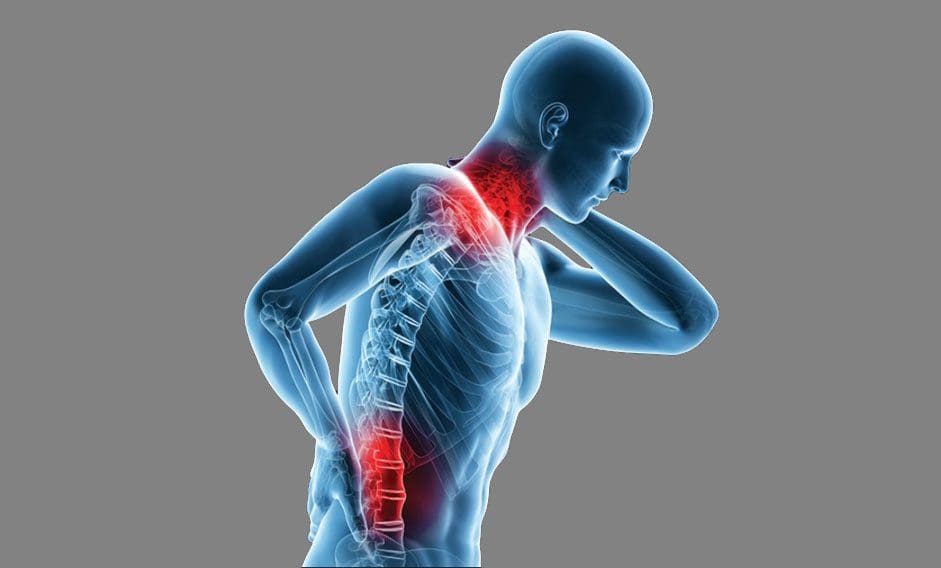
Depending on the collision’s severity, the spine and back can develop symptoms depending on the type of injury the person is experiencing. Common signs include:
- Localized or Radiating Pain
- Stiffness
- Muscle Spasms
- Numbness or Tingling
- Headaches
- Fatigue or Weakness
Delayed onset of symptoms is common, with pain or discomfort appearing hours or days after the accident. Seeking prompt medical evaluation is critical to prevent complications.
From Injury to Recovery with Chiropractic Care- Video
The Role Of Chiropractic Care in Treatment
Chiropractic care is a non-surgical treatment option focusing on restoring spinal alignment, improving mobility, and reducing pain within the musculoskeletal system. It is particularly effective for managing spine and back pain caused by car accidents. Key benefits of chiropractic care include:
- Spinal Adjustments: Chiropractors use controlled, manual techniques to realign the spine, relieve pressure on the compressed nerves, and restore joint function. This can reduce pain, improve mobility, and restore the normal range of spinal movement. (Choi et al., 2015)
- Soft Tissue Therapy: Chiropractors can incorporate massage or myofascial release techniques to help relax the tight muscles, reduce spasms, and promote healing in strained ligaments and tendons.
- Pain Management: Since chiropractic care can alleviate pain without reliance on medications, which may have side effects. Chiropractic adjustments and therapies target the root cause of discomfort.
- Rehabilitation Support: Chiropractors often provide exercises and stretches as part of the individual’s customized treatment plan to strengthen muscles and prevent future injuries.
- Holistic Approach: Chiropractic care emphasizes overall wellness, addressing physical symptoms and lifestyle factors that impact the person’s recovery process.
Chiropractic care is effective for conditions like whiplash, which is associated with neck and lower back pain. Compared to standard medical care, it reduces pain and improves function. (Bryans et al., 2014)
Other Treatment Options
While chiropractic care is highly effective, a comprehensive treatment plan may include:
- Physical Therapy: To restore strength and flexibility back to the body while reducing low back and neck pain. (Alrwaily et al., 2019)
- Pain Management: Over-the-counter or prescription medications for short-term relief.
- Medical Imaging: X-rays, MRIs, or CT scans to diagnose fractures or herniated discs.
- Surgery: In rare cases, for severe injuries like spinal fractures or significant disc herniations.
When to Seek Care
Individuals involved in a car accident must have a prompt evaluation by a healthcare provider, such as a chiropractor or physician. Even if symptoms are mild, this is essential because if the injuries are untreated, they can cause overlapping risk profiles or long-term complications to the body. A chiropractor can assess spinal alignment, recommend a personalized treatment plan, and coordinate with other providers.
Conclusion
After a vehicle accident, those who have back and spine pain may find that their everyday lives are significantly impacted, but recovery may be aided by prompt action and the right treatment. A safe and efficient method for reducing pain, regaining function, and averting chronic problems is chiropractic therapy. By assisting accident victims in regaining their health, a chiropractor can evaluate the root causes of pain-like symptoms and promote general healthiness.
Injury Medical Chiropractic & Personal Injury Clinic
We associate certified medical providers who understand the importance of assessing individuals with pain-like symptoms affecting their spines and backs. When asking important questions to our associated medical providers, we advise patients to incorporate customized treatment plans for their pain correlated with musculoskeletal issues. Dr. Alex Jimenez, D.C., uses this information as an academic service. Disclaimer
References
Alrwaily, M., Schneider, M., Sowa, G., Timko, M., Whitney, S. L., & Delitto, A. (2019). Stabilization exercises combined with neuromuscular electrical stimulation for patients with chronic low back pain: a randomized controlled trial. Braz J Phys Ther, 23(6), 506-515. https://doi.org/10.1016/j.bjpt.2018.10.003
Bryans, R., Decina, P., Descarreaux, M., Duranleau, M., Marcoux, H., Potter, B., Ruegg, R. P., Shaw, L., Watkin, R., & White, E. (2014). Evidence-based guidelines for the chiropractic treatment of adults with neck pain. J Manipulative Physiol Ther, 37(1), 42-63. https://doi.org/10.1016/j.jmpt.2013.08.010
Choi, J., Lee, S., & Jeon, C. (2015). Effects of flexion-distraction manipulation therapy on pain and disability in patients with lumbar spinal stenosis. J Phys Ther Sci, 27(6), 1937-1939. https://doi.org/10.1589/jpts.27.1937
Fakharian, E., Mohammadzadeh, M., Saberi, H. R., Fazel, M. R., Rejali, M., Akbari, H., Mirzadeh, A. S., & Mohammadzadeh, J. (2017). Spinal injury resulting from car accident: Focus to prevention. Asian J Neurosurg, 12(2), 180-184. https://doi.org/10.4103/1793-5482.152110
Ge, C. Y., Hao, D. J., Yan, L., Shan, L. Q., Zhao, Q. P., He, B. R., & Hui, H. (2019). Intradural Lumbar Disc Herniation: A Case Report and Literature Review. Clin Interv Aging, 14, 2295-2299. https://doi.org/10.2147/CIA.S228717
Stroke., N. I. o. N. D. a. (2023). Whiplash Information Page. Retrieved from https://www.ninds.nih.gov/health-information/disorders/whiplash