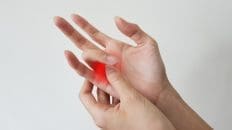
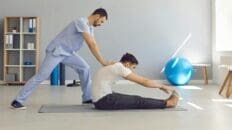
Discover effective strategies for managing chronic pelvic pain through chiropractic care and regain control over your life.
Table of Contents
Chiropractic Care for Chronic Pelvic Pain: Addressing Musculoskeletal Drivers, Lower Extremity Effects, and Neurobiological Restoration
Chronic pelvic pain (CPP) is one of the most complex, undertreated, and misunderstood syndromes seen in primary care, functional medicine, physical medicine, and chiropractic practices. Affecting roughly 25% of individuals assigned female at birth and a substantial underdiagnosed cohort of those assigned male at birth, CPP generates more than $2.8 billion in direct U.S. healthcare costs annually and accounts for approximately 40% of diagnostic laparoscopies and 10–12% of hysterectomies (International Pelvic Pain Society [IPPS], 2024; International Federation of Gynecology and Obstetrics [FIGO], 2023). Up to 80% of presentations involve primary non-gynecologic drivers—musculoskeletal dysfunction, peripheral nerve entrapment, visceral hyperalgesia, neuro-inflammatory cascades, and central sensitization—rather than isolated reproductive organ pathology (Jimenez, 2021, 2024).
Dr. Alexander Jimenez, DC, APRN, FNP-BC, whose integrative clinical observations are detailed at Health Voice 360 and in his professional profile, emphasizes that the pelvis functions as a direct biomechanical continuation of the spine. Misalignment or dysfunction at the sacroiliac joints, pubic symphysis, or lumbopelvic junction disrupts force transfer, nerve signaling, and muscle coordination, converting localized insults into widespread pain (Jimenez, 2021, 2022). Conventional “find-and-fix” surgical approaches frequently miss these mechanical and neuroplastic contributors, leaving patients with years of diagnostic delay and iatrogenic trauma.
How Chronic Pelvic Pain Affects the Lower Extremities
CPP routinely radiates or refers into the lower extremities through viscerosomatic convergence and shared neural pathways (primarily T10–S4). Patients commonly report:
- Deep aching, burning, or lancinating pain in the groin, medial thigh, buttocks, or posterior leg that mimics sciatica.
- Weakness or instability during gait, single-leg stance, or rising from a chair (Trendelenburg gait, gluteal inhibition).
- Cramping, heaviness, or paresthesias in the adductors, hamstrings, or calves.
- Postural compensation that loads the hips, knees, and feet asymmetrically.
These lower-extremity effects arise because visceral or pelvic-floor afferent input converges on the same dorsal-horn neurons that receive somatic signals from the hips, thighs, and lower back. Prolonged guarding of the levator ani, obturator internus, or piriformis compresses the pudendal or sciatic nerve pathways, producing referred or neuropathic symptoms distally (Jimenez, 2024; Labat et al., 2008). In clinical practice, Dr. Jimenez observes that many patients initially present for “hip” or “sciatica” care only to discover high-tone pelvic-floor dysfunction or sacroiliac shear as the primary driver (Jimenez, 2021, 2022).
Musculoskeletal Comorbidities That Amplify or Sustain CPP
Musculoskeletal impairments are present in at least half of patients referred for CPP and frequently serve as both cause and consequence (Berghmans et al., as summarized in related literature; Lamvu et al., 2018). Common comorbidities include:
- Sacroiliac joint dysfunction and pelvic ring instability.
- High-tone pelvic floor dysfunction (HTPFD) with levator ani, obturator internus, and coccygeus spasm.
- Piriformis syndrome and sciatic nerve irritation.
- Adductor tendinopathy and osteitis pubis.
- Gluteus medius/minimus tendinopathy (greater trochanteric pain syndrome).
- Iliopsoas tightness or bursitis contributing to anterior pelvic tilt.
- Lumbar facet or disc-related referral into the pelvis.
- Myofascial trigger points in the abdominal wall (positiveCarnett’ss sign), piriformis, and obturator internus.
- Hip labral pathology or femoroacetabular impingement that alters pelvic mechanics.
These conditions create a vicious cycle: pain triggers protective muscle bracing, which reduces blood flow, accumulates metabolites, and heightens local and central sensitization. Dr. Jimenez’s dual chiropractic and nurse-practitioner perspective highlights that restoring pelvic-spinal alignment and down-training hypertonic musculature often reduces both pelvic and lower-extremity symptoms without exclusive reliance on medication or surgery (Jimenez, 2021, 2023).
Key Muscles, Tendons, and Joints of the Pelvis
The pelvic girdle comprises the two hip bones (each formed by the fused ilium, ischium, and pubis), the sacrum, and the coccyx. Primary joints include:
- Sacroiliac joints (posterior, weight-transferring).
- Pubic symphysis (anterior, cartilaginous).
- Hip joints (acetabulum–femoral head ball-and-socket articulations).
- Sacrococcygeal joint.
Major muscles and their clinical relevance in CPP:
- Levator ani complex (puborectalis, pubococcygeus, iliococcygeus): forms the pelvic diaphragm; hypertonicity produces deep pelvic, rectal, and perineal pain and can entrap the pudendal nerve.
- Obturator internus: external rotator whose fascia borders Alcock’s canal; trigger points refer to the hip, groin, and pelvis and contribute to pudendal irritation.
- Piriformis: can compress the sciatic nerve (piriformis syndrome).
- Coccygeus: supports the pelvic floor and can contribute to coccydynia.
- Iliopsoas (psoas major + iliacus): primary hip flexor; tightness promotes anterior pelvic tilt and lumbar strain.
- Gluteus medius and minimus: hip abductors critical for pelvic stability in gait; tendinopathy produces lateral hip and pelvic pain.
- Adductors (longus, brevis, magnus, pectineus): insert near the pubic ramus; tendinopathy or strain contributes to groin and pelvic pain.
Key ligaments and tendinous structures include the sacrotuberous and sacrospinous ligaments (pudendal nerve pathway), iliolumbar ligaments, and the tendinous arch of the levator ani. Dysfunction at these sites alters load transfer and neural mobility, explaining why CPP so readily affects the lower extremities.
Aligned & Empowered: Chiropractic Conversations on Women’s Health- Video
Integrating Chiropractic Care Within a Mechanism-Based Framework
Dr. Jimenez’s clinical approach combines spinal and pelvic adjustments, Muscle Energy Techniques (MET), soft-tissue release, and functional rehabilitation to address the mechanical contributors that sustain nociplastic and neuropathic amplification (Jimenez, 2021, 2022, 2023). Chiropractic interventions restore joint mobility, reduce aberrant afferent input from the sacroiliac and hip joints, improve diaphragmatic–pelvic floor coordination, and facilitate down-training of hypertonic musculature. This mechanical restoration complements the broader four-pillar model:
- Pain Neuroscience Education using the hypersensitive home-alarm metaphor helps patients understand that much of their pain reflects central amplification rather than ongoing tissue destruction (Moseley & Butler, 2015; Louw et al., 2016).
- Specialized Pelvic Floor Physical Therapy and Chiropractic Neuromuscular Care prioritize lengthening and relaxation rather than Kegel strengthening in high-tone states. MET and targeted adjustments address pelvic obliquity, SI joint dysfunction, and associated hip/gluteal weakness, reducing referred lower-extremity symptoms (Jimenez, 2023; FitzGerald & Kotarinos, 2003).
- Phenotype-Matched Pharmacotherapy (low-and-slow SNRIs, TCAs, gabapentinoids, continuous hormonal suppression, compounded topicals) remains useful for neuropathic or cyclical drivers while mechanical care reduces overall nociceptive load.
- Psychosocial and Lifestyle Support (CBT, MBSR, anti-inflammatory nutrition, sleep optimization, and graded movement) extinguishes fear-avoidance cycles that maintain sympathetic guarding and pelvic hypertonicity.
In Dr. Jimenez’s observations, patients who receive concurrent chiropractic realignment and pelvic-floor down-training frequently report improved gait mechanics, reduced sciatica-like radiation, and better tolerance of daily activities even when imaging remains unremarkable (Jimenez, 2021, 2022). The clinical examination itself—postural screening, Carnett’s testing, dermatomal mapping, and single-digit pelvic-floor assessment performed with continuous consent—serves as both diagnostic map and therapeutic validation.
Conclusion
Resolving CPP requires moving beyond organ-specific reductionism. By mapping nociceptive, neuropathic, and nociplastic phenotypes; inventorying the twelve domains of the “Are You Moving? SUM” framework; and directly addressing pelvic-spinal biomechanics, clinicians can interrupt the cascade of viscerosomatic convergence, glial activation, and central disinhibition. Chiropractic care, as practiced by dual-licensed providers such as Dr. Alexander Jimenez, DC, APRN, FNP-BC, offers a practical, evidence-aligned method for restoring alignment, reducing muscle guarding, and improving lower-extremity function as part of a multimodal, trauma-informed pathway toward lasting recovery.
References
- FitzGerald, M. P., & Kotarinos, R. (2003). Rehabilitation of the short pelvic floor. II: Treatment of the patient with the short pelvic floor. International Urogynecology Journal, 14(4), 269–275.
- International Federation of Gynecology and Obstetrics (FIGO). (2023). The R-U-M-O-V-V-I-N-G-S-O-ME classification system for female chronic pelvic pain. International Journal of Gynecology and Obstetrics.
- International Pelvic Pain Society (IPPS). (2024). Clinical guidelines and assessment protocols for chronic pelvic pain.
- Jimenez, A. (2021). Pelvic pain and chiropractic.
- Jimenez, A. (2022). Ways to improve hip & pelvic pain with chiropractic.
- Jimenez, A. (2023). MET treatment strategies to reduce pelvic pain.
- Jimenez, A. (2024). Managing chronic pelvic pain: Pudendal neuropathy explained.
- Labat, J. J., et al. (2008). Diagnostic criteria for pudendal neuralgia by pudendal nerve entrapment (Nantes criteria). Neurourology and Urodynamics, 27(4), 306–310.
- Lamvu, G., et al. (2018). Musculoskeletal considerations in female patients with chronic pelvic pain. Seminars in Reproductive Medicine, 36(2), 107–115.
- Louw, A., Zimney, K., Puentedura, E. J., & Diener, I. (2016). The efficacy of pain neuroscience education on musculoskeletal pain: A systematic review of the literature. Physiotherapy Theory and Practice, 32(5), 332–355.
- Moseley, G. L., & Butler, D. S. (2015). Fifteen years of explaining pain: The past, present, and future. The Journal of Pain, 16(9), 807–813.
- Additional supporting references from the original synthesis (Nijs et al., 2021; Woolf, 2011; Zondervan et al., 2020; etc.) remain foundational for the neurobiological sections.
SEO Tags
chronic pelvic pain, chiropractic care for pelvic pain, Dr. Alexander Jimenez, pelvic floor dysfunction, sacroiliac joint dysfunction, lower extremity referred pain, high-tone pelvic floor, pudendal neuralgia, viscerosomatic convergence, musculoskeletal comorbidities pelvic pain, hip and pelvic pain chiropractic, Carnett’s sign, pain neuroscience education, pelvic anatomy muscles tendons joints, El Paso chiropractor functional medicine, nociplastic pain, sciatica pelvic pain
This educational content reflects clinical perspectives and is not a substitute for individualized medical advice. Consult a licensed healthcare provider for personal evaluation and treatment.