Can individuals have a full night of sleep by making small changes to their sleep posture to reduce general aches and pains?
Table of Contents
Introduction
Many individuals know that after a long, hard day of working or running errands, getting much rest is necessary to reduce tension in the body and put it in a relaxed state. Getting a quick nap to a full night of sleep is important not only for the body but also for the posture. However, many people get a bad night’s rest from various environmental factors that can keep them from getting the full benefits of eight hours of sleep. It can range from stressful events impacting a person’s life to overlapping risk profiles correlated with chronic conditions. Today’s article focuses on how poor posture can affect sleep and how there are different ways for a person to get a good night’s rest, improve sleep posture, and find the right mattress and pillows to allow the individual to stay asleep. We discuss with certified medical providers who inform our patients how various environmental factors can cause overlapping risk profiles and not getting a full night of rest. While asking informed questions to our associated medical providers, we advise patients to incorporate various techniques to improve sleep posture when getting a full night of quality sleep. Dr. Alex Jimenez, D.C., encompasses this information as an academic service. Disclaimer.
Poor Posture Affecting Sleep
Do you feel extremely tired throughout the day, even after a full night? Do you experience stiffness in the morning that gets better throughout the day? Or how often do you wake up constantly at night and have trouble staying asleep? Many individuals who have experienced these scenarios are frequently correlated with bad sleeping habits. Many individuals have dealt with poor sleeping habits throughout the day due to environmental factors that can impact their sleep. Some environmental factors, like poor posture, can affect how people sleep at night. Poor posture has always been associated with musculoskeletal disorders. When musculoskeletal disorders have overlapping risk profiles from physical workload and psychological stress, it can become a predictor or even correlate with sleep disorders. (Hammig, 2020) This is because having habitual in-bed behaviors like movement and posture could cause health complications and prevent people from getting a good night’s rest. (Elnaggar et al., 2023)
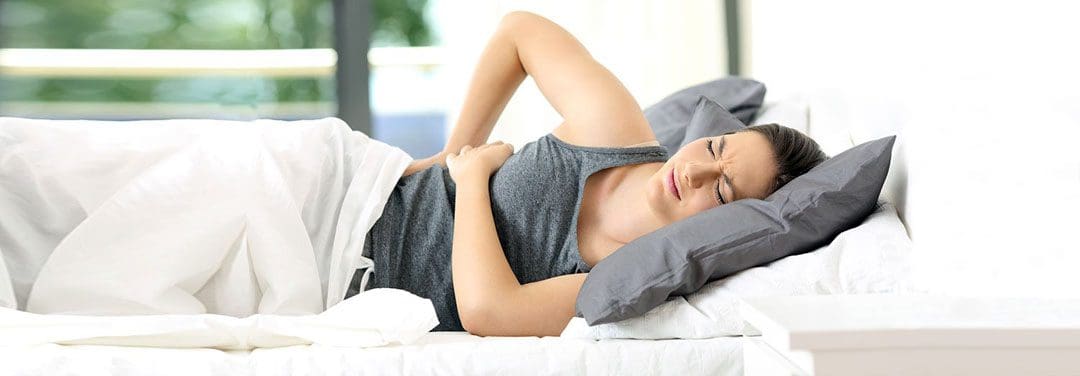
This is due to how individuals’ posture can affect their sleep quality and overall health. For instance, individuals dealing with chronic spinal pain will begin to develop poor posture over time. When this happens, it can coexist with other comorbidities like insomnia, which can lead to a larger negative effect on a person’s physical and mental functioning while preventing them from being less productive and having poor quality of sleep. (Bilterys et al., 2021) When people experience spinal pain, causing them to develop poor posture, it can lead to sleep disturbances. The correlation between sleep disturbances and poor posture can cause impairment of the physiological process that can contribute to maintaining chronic pain. (Skillgate et al., 2021) However, there are numerous ways for people to get a good night’s rest while improving their posture.
The Benefits Of Stretching-Video
Ways To Get a Good Night Rest
When it comes to finding ways to get a good night’s rest, many people will try to devise solutions to establish a routine for their bedtime. Some of the ways people can utilize for a good night’s rest include:
- Lowering room temperature
- Keeping a sleep diary
- Limit caffeinated drinks in the evening
- Limit electronics before bed
- Stick and create a sleep schedule
By creating some of these habits and sticking with them, many people can get much-needed rest and more energy when they wake up. At the same time, proper sleeping habits can help improve sleeping posture.
Improving Sleep Posture
There is no right way to do it regarding proper sleeping habits and improving sleep posture. Everyone has a position they favor more to be comfortable. For instance, a person who sleeps on the back is more relaxed than sleeping on their sides. Since sleep posture is associated with sleep quality, poor posture may provoke increased wake time and affect a person’s ability to maintain an asleep state. (Cary et al., 2021) So, by listening to the body and following its natural sleep flow, a person can stay asleep longer and be comfortable.
Finding The Right Mattress & Pillow
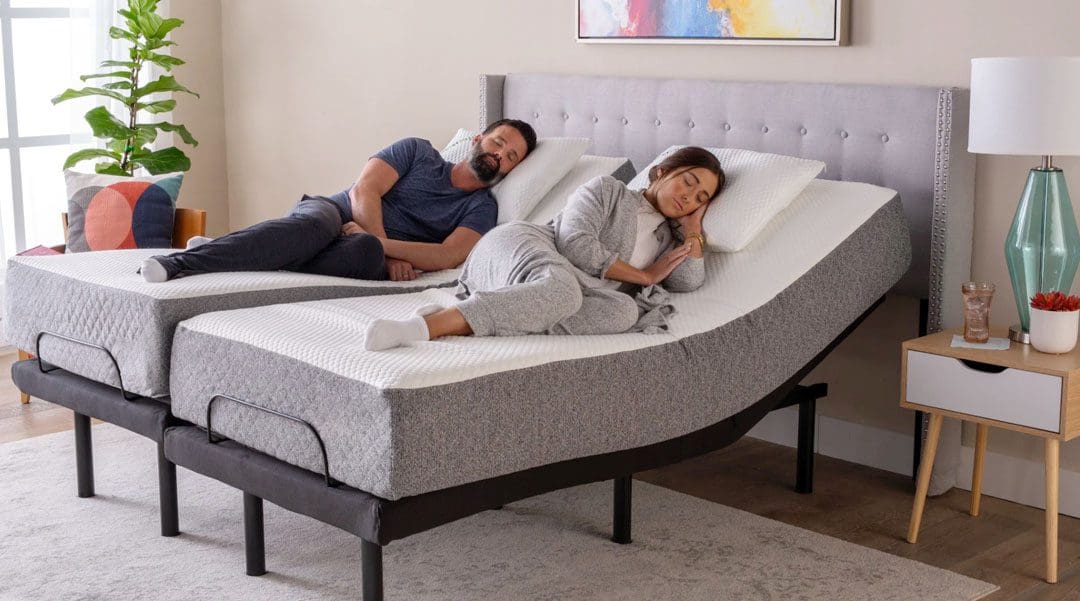
At the same time, improving one’s sleeping posture is not the only way to get a good night’s rest. Finding the right mattress and pillows is important, too. When people seek mattresses and pillows to improve their sleep quality, many often seek out tempur-pedic mattresses to support their body and have the best sleep. Many tempur-pedic mattresses can help reduce pressure from the body, making a person comfortable and minimizing movement. Additionally, new pillows supporting the neck and lower back can reduce somatic symptoms and provide neutral spinal alignment for the body. (Yamada et al., 2023) When it comes to having the best quality of sleep, it can be achievable with proper sleep habits, a new set of pillows and mattresses, and a comfortable position that will allow people to feel refreshed and re-energized.
References
Bilterys, T., Siffain, C., De Maeyer, I., Van Looveren, E., Mairesse, O., Nijs, J., Meeus, M., Ickmans, K., Cagnie, B., Goubert, D., Danneels, L., Moens, M., & Malfliet, A. (2021). Associates of Insomnia in People with Chronic Spinal Pain: A Systematic Review and Meta-Analysis. J Clin Med, 10(14). https://doi.org/10.3390/jcm10143175
Cary, D., Jacques, A., & Briffa, K. (2021). Examining relationships between sleep posture, waking spinal symptoms and quality of sleep: A cross sectional study. PLOS ONE, 16(11), e0260582. https://doi.org/10.1371/journal.pone.0260582
Elnaggar, O., Arelhi, R., Coenen, F., Hopkinson, A., Mason, L., & Paoletti, P. (2023). An interpretable framework for sleep posture change detection and postural inactivity segmentation using wrist kinematics. Sci Rep, 13(1), 18027. https://doi.org/10.1038/s41598-023-44567-9
Hammig, O. (2020). Work- and stress-related musculoskeletal and sleep disorders among health professionals: a cross-sectional study in a hospital setting in Switzerland. BMC Musculoskelet Disord, 21(1), 319. https://doi.org/10.1186/s12891-020-03327-w
Skillgate, E., Isacson Hjortzberg, M., Stromwall, P., Hallqvist, J., Onell, C., Holm, L. W., & Bohman, T. (2021). Non-Preferred Work and the Incidence of Spinal Pain and Psychological Distress-A Prospective Cohort Study. Int J Environ Res Public Health, 18(19). https://doi.org/10.3390/ijerph181910051
Yamada, S., Hoshi, T., Toda, M., Tsuge, T., Matsudaira, K., & Oka, H. (2023). Changes in neck pain and somatic symptoms before and after the adjustment of the pillow height. Journal of Physical Therapy Science, 35(2), 106-113. https://doi.org/10.1589/jpts.35.106