Get informed about perimenopause, its challenges, and practical advice to support your health during this transitional period.
Table of Contents
Introduction
In terms of health and well-being, many people often become aware of how their bodies are naturally changing. These may include hormonal changes in both men and females as well as normal skeletal degradation inside the joints. Andropause is the term for the period when male testosterone levels begin to diminish. The menopause is the natural beginning of the aging process for women when their levels of the hormones progesterone and estrogen start to decline. On the other hand, women experience perimenopause prior to menopause. In this article, we’ll examine the definition and symptoms of perimenopause, its effects on the musculoskeletal system, and strategies for coping with these symptoms.
What Is Perimenopause?
Do you experience mental fogginess, where you can’t remember what you were doing? How often do your joints ache after doing a simple errand? Or how frequently does your bladder feel full that you constantly need to go to the bathroom? Many of these issues are associated with hormonal changes within the body. For women, perimenopause is a transformative menopausal stage that usually occurs in women in their 40s and early 50s, which is widely recognized for hormonal shifts and reproductive changes in the body.
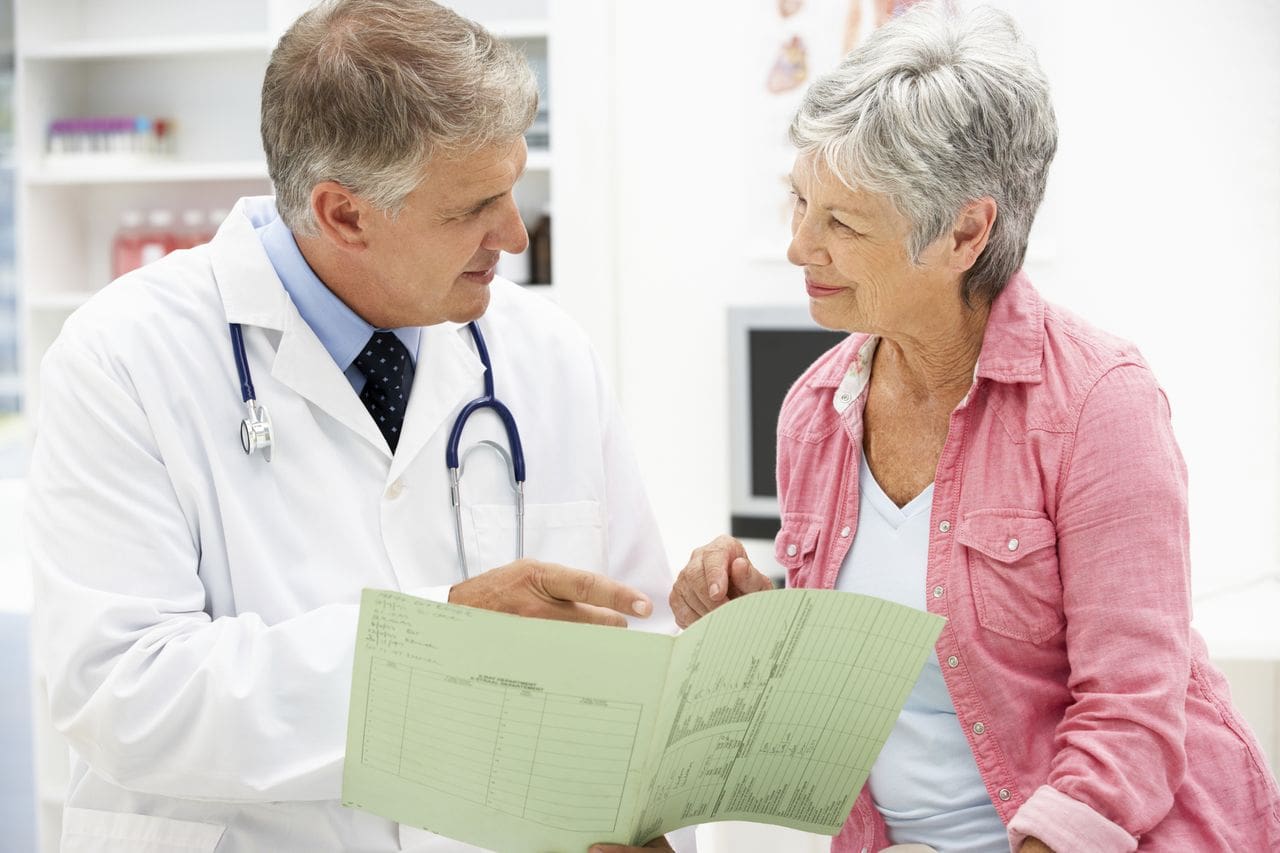
Additionally, perimenopause usually starts when a woman is dealing with a persistent difference in their menstrual cycle length after 12 months. (Lega & Jacobson, 2024) This is due to the ovarian hormone production of estrogen and progesterone fluctuating unpredictably.
Common Symptoms Of Perimenopause
When it comes to perimenopause, it can affect women differently with its symptoms. Since hormones during perimenopause fluctuate unpredictably. This is because for women, ovarian hormones like estrogen play an important role in maintaining health and homeostasis by modulating the body’s nervous, endocrine, and immune function. (Priyanka & Nair, 2020) Some of the other symptoms that are included with perimenopause are:
- Vasomotor symptoms: Hot flashes, night sweats
- Sleep disturbances: Insomnia, early waking
- Mood changes: Irritability, anxiety, depression
- Cognitive difficulties: Brain fog, memory lapses
- Urogenital symptoms: Vaginal dryness, urinary urgency
- Menstrual irregularities: Skipped, prolonged, or heavy periods
Additionally, since perimenopausal symptoms vary from woman to woman, perimenopause can also affect the musculoskeletal system in the body.
Assessing Hormone Therapy- Video
How Perimenopause Affects The Musculoskeletal System
The musculoskeletal system’s various muscles, tissues, and ligaments allow the body to be mobile and flexible without pain. However, environmental factors like physical inactivity, poor dietary habits, and chronic issues affect the musculoskeletal system, leading to overlapping risk profiles affecting the body. For perimenopausal women, their musculoskeletal system is affected by fluctuating estrogen hormone levels. When it comes to perimenopause, the musculoskeletal system will begin to develop various issues that can affect the body over time. When a woman is going through perimenopause, their bone mineral density is reduced as well as their muscle mass due to the decline of estradiol. (Wright et al., 2024) This causes the musculoskeletal system to develop:
- Increased joint stiffness (especially in the morning) and muscle pain
- Osteopenia and osteoporosis
- Sarcopenia (loss of muscle mass)
This is due to hormones being associated with inflammation. When a woman has low or fluctuating estrogen hormone levels, it can lead to developmental changes in their pain perception in their muscles. The hormone estrogen is responsible for inhibiting the actions of inflammatory mediators in osteoblasts and stromal cells to ensure that bone mass is reabsorbed into the skeletal system. When perimenopause naturally occurs in the body, estrogen levels decline, and the development of musculoskeletal issues starts to appear.
Managing Perimenopausal Symptoms
Now, when it comes to managing perimenopausal symptoms, many women can start researching non-surgical treatments and incorporating various techniques to help manage the symptoms and reduce any pain from musculoskeletal issues associated with perimenopause. Below are some therapeutic options for perimenopausal women to manage their symptoms and restore their musculoskeletal system.
Hormone Therapy
For many women, hormone replacement therapy remains the gold standard for treating moderate to severe vasomotor and musculoskeletal symptoms. Hormone therapy for perimenopausal women can help restore estrogen production to the body and accelerate skeletal growth. (Moustakli & Tsonis, 2023) Estrogen therapy can:
- Reduce joint and muscle pain
- Slow bone density loss
- Improve overall well-being
Note: HRT is not suitable for everyone, particularly those with a history of breast cancer, thromboembolic disease, or certain cardiovascular conditions. Always conduct a thorough risk-benefit analysis.
Exercise & Nutrition
For perimenopausal women, proper nutrition and exercise can help manage the perimenopausal symptoms and maintain muscle tone. Incorporating nutritional foods with high protein, calcium, and vitamin D can help maintain skeletal muscle mass and regulate proper hormone functioning. (Erdélyi et al., 2023) Combined with exercises, it can help strengthen weak muscles, improve bone density, and promote flexibility while retaining the joint’s range of motion. Exercises like tai chi are excellent for perimenopausal women as they combine meditation through slow and gentle movements that can lower fracture risk, improve muscle strength, and restore balance functionality. (Li et al., 2023)
Manual Therapies
Many women find relief with:
- Acupuncture: Shown to help reduce chronic pain affecting the joints and provide anti-inflammatory effects to the musculoskeletal system. (Zhao et al., 2023)
- Mind-body therapies: Meditation, cognitive-behavioral therapy (CBT) to address mood swings and insomnia
- Chiropractic and physical therapy: Effective in managing musculoskeletal discomfort
Final Thoughts
Perimenopause is a natural life stage for many women, and it has a huge impact on musculoskeletal health. By staying proactive with lifestyle adjustments, medical therapies, and regular monitoring, women can navigate this transition with strength and resilience. Creating a personalized treatment plan that respects each woman’s unique needs can be beneficial, ensuring that they feel empowered and supported throughout their perimenopausal journey.
Injury Medical & Functional Wellness Clinic
We associate with certified medical providers who understand the importance of assessing individuals dealing with musculoskeletal issues related to perimenopause. When asking important questions to our associated medical providers, we advise patients to incorporate numerous techniques to reduce pain-like symptoms related to the musculoskeletal system. Dr. Alex Jimenez, D.C., uses this information as an academic service. Disclaimer.
References
Erdélyi, A., Pálfi, E., T??, L., Nas, K., Sz?cs, Z., Török, M., Jakab, A., & Várbíró, S. (2023). The Importance of Nutrition in Menopause and Perimenopause—A Review. Nutrients, 16(1), 27. https://doi.org/10.3390/nu16010027
Lega, I. C., & Jacobson, M. (2024). Perimenopause. CMAJ, 196(34), E1169. https://doi.org/10.1503/cmaj.240337
Li, J., Guo, J., Wang, X., Zhang, X., Zhang, Y., Bu, M., Yao, X., & She, Y. (2023). Efficacy and safety of tai chi exercise on bone health: An umbrella review. Osteoporos Int, 34(11), 1853-1866. https://doi.org/10.1007/s00198-023-06830-7
Moustakli, E., & Tsonis, O. (2023). Exploring Hormone Therapy Effects on Reproduction and Health in Transgender Individuals. Medicina (Kaunas, Lithuania), 59(12). https://doi.org/10.3390/medicina59122094
Priyanka, H. P., & Nair, R. S. (2020). Neuroimmunomodulation by estrogen in health and disease. AIMS Neurosci, 7(4), 401-417. https://doi.org/10.3934/Neuroscience.2020025
Wright, V. J., Schwartzman, J. D., Itinoche, R., & Wittstein, J. (2024). The musculoskeletal syndrome of menopause. Climacteric, 27(5), 466-472. https://doi.org/10.1080/13697137.2024.2380363
Zhao, F.-Y., Zheng, Z., Fu, Q.-Q., Conduit, R., Xu, H., Wang, H.-R., Huang, Y.-L., Jiang, T., Zhang, W.-J., & Kennedy, G. A. (2023). Acupuncture for comorbid depression and insomnia in perimenopause: A feasibility patient-assessor-blinded, randomized, and sham-controlled clinical trial. Frontiers in Public Health, 11. https://doi.org/10.3389/fpubh.2023.1120567