Can individuals dealing with pain and inflammation in their bodies can incorporate a ketogenic diet and have beneficial results?
Table of Contents
Introduction
When it comes to a person’s health and wellness journey, many people often wonder where to start making changes in their bodies. Many people begin exercising not only to reduce stress levels in the musculoskeletal system but also to help clear their minds. This is a great cause, as any form of physical activity can help reduce muscle fatigue and weakness and strengthen the extremities and quadrants in the musculoskeletal system. However, even though exercising is part of the health and wellness journey, another component plays a crucial part in the health and wellness journey: eating nutritional foods and dieting. Now, dieting can be scary for some newcomers who are just entering their health and wellness journey, but when people start making small changes to their eating habits, like incorporating more vegetables and fruits in their meals, making more meals at home, and doing portion control to eat enough till they are full can provide beneficial results. These small changes can empower individuals to take control of their health and wellness journey. Dieting and changing eating habits can give useful results for people dealing with chronic issues correlated with environmental factors. In today’s article, we will look at a particular diet known as the ketogenic diet, its beneficial properties, and how to incorporate it to reduce chronic conditions affecting the body. We talk with certified associated medical providers who provide our patients’ information to assess how incorporating the ketogenic diet can help reduce chronic conditions. We also inform patients while asking their associated medical provider intricate questions to formulate customized treatment plans to help with chronic conditions by incorporating the ketogenic diet along with physical activities. Dr. Alex Jimenez, D.C., includes this information as an academic service. Disclaimer.
What Is the Ketogenic Diet?
Do you often feel extremely thirsty throughout the day, and do you chug at least a couple of gallons of water daily? Do you feel heat or see redness in various locations around your body that seem tender when touched? Or do your joints become stiff in the mornings when you wake up and feel better throughout the entire day? Often, people have a love-hate relationship with food. However, it all depends on what the person is eating and what environmental factors correlate with their food. So, when a person has chronic conditions that cause pain and inflammation in their joints, muscles, and organs, the negative side effects are that the food they consume can induce the inflammatory effects. In contrast, the positive impact of food can help individuals dampen the pain and inflammation in the body. (Fifi & Holton, 2020) Many individuals dealing with inflammation and pain in their bodies can incorporate a ketogenic diet to reduce the inflammatory effects.
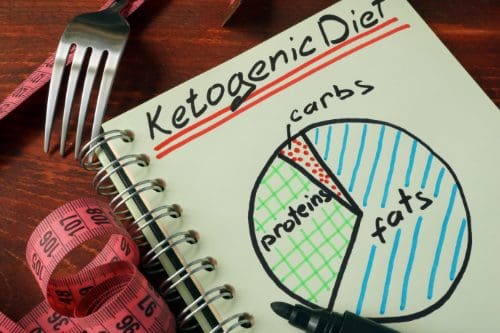
Now, what is the ketogenic diet? The ketogenic diet is where carbohydrates are low, and various levels of lean proteins and healthy fats induce ketosis. (McGaugh & Barthel, 2022) This, in turn, helps with alternating the metabolic pathways to induce weight loss, improve health conditions like lipid profile improvements, and reduce hyperglycemia. When environmental factors like obesity, sedentary lifestyles, or physical inactivity can cause chronic issues like lipedema, the body will cause overlapping risk profiles to induce inflammation. When the body is dealing with lipedema, it can cause the body to be in a constant inflammatory state that induces cell damage and cell death through apoptosis. Hence, when a person is going to do a ketogenic diet, it can help reduce the inflammatory effects while alleviating pain symptoms. (Verde et al., 2023)
Eating Right To Feel Better-Video
The Beneficial Properties Of A Ketogenic Diet
One of the beneficial properties that a person can take with a ketogenic diet is that it can help reduce cardiovascular diseases with its anti-inflammatory properties. Since a ketogenic diet helps place the body in a state of nutritional ketosis, incorporating omega-3 fatty acids can help the body exert systemic anti-inflammatory effects and begin healing. (Dynka et al., 2023) At the same time, the ketogenic diet can help individuals who are suffering from chronic conditions like epilepsy, diabetes, or obesity to not only induce weight loss but also help improve body composition. (Sjodin et al., 2020) This is because when individuals get a customized treatment plan incorporating the ketogenic diet, it must include physical activities that help strengthen muscles in the body’s quadrants. In contrast, the ketogenic diet helps slow down muscle glycogen depletion. Additionally, the ketogenic diet is beneficial by:
- Reducing glucose levels so individuals with diabetes don’t need insulin.
- Restrict carbohydrate intake
- Moderate protein consumption
- Increasing fat consumption for calories (Dowis & Banga, 2021)
Ketogenic Diet Reducing Chronic Conditions
When it comes to the ketogenic diet, many individuals have dealt with chronic conditions like epilepsy, diabetes, or cardiovascular conditions. Understand that incorporating a healthy diet filled with healthy fats, lean protein, plenty of fruits and vegetables, and physical activity can benefit many individuals in the long run. The ketogenic diet can help the liver by producing more ketone bodies to help with the production of ATPs and reduce ROS (reactive oxygen species); this, in turn, helps improve a person’s quality of life. (Abboud et al., 2021) Informing individuals who are dealing with chronic conditions that they must make small changes to their routines. This can be incorporated into their customized treatment plan and help reduce the pain-like effects from the person’s chronic conditions correlating to the inflammatory effects. The ketogenic diet can be a stepping stone to a person’s health and wellness and help them be motivated to see positive results.
References
Abboud, M., AlAnouti, F., Georgaki, E., & Papandreou, D. (2021). Effect of Ketogenic Diet on Quality of Life in Adults with Chronic Disease: A Systematic Review of Randomized Controlled Trials. Nutrients, 13(12). https://doi.org/10.3390/nu13124463
Dowis, K., & Banga, S. (2021). The Potential Health Benefits of the Ketogenic Diet: A Narrative Review. Nutrients, 13(5), 1654. https://doi.org/10.3390/nu13051654
Dynka, D., Kowalcze, K., Charuta, A., & Paziewska, A. (2023). The Ketogenic Diet and Cardiovascular Diseases. Nutrients, 15(15). https://doi.org/10.3390/nu15153368
Fifi, A. C., & Holton, K. F. (2020). Food in Chronic Pain: Friend or Foe? Nutrients, 12(8). https://doi.org/10.3390/nu12082473
McGaugh, E., & Barthel, B. (2022). A Review of Ketogenic Diet and Lifestyle. Mo Med, 119(1), 84-88. https://www.ncbi.nlm.nih.gov/pubmed/36033148
https://www.ncbi.nlm.nih.gov/pmc/articles/PMC9312449/pdf/ms119_p0084.pdf
Sjodin, A., Hellstrom, F., Sehlstedt, E., Svensson, M., & Buren, J. (2020). Effects of a Ketogenic Diet on Muscle Fatigue in Healthy, Young, Normal-Weight Women: A Randomized Controlled Feeding Trial. Nutrients, 12(4). https://doi.org/10.3390/nu12040955
Verde, L., Camajani, E., Annunziata, G., Sojat, A., Marina, L. V., Colao, A., Caprio, M., Muscogiuri, G., & Barrea, L. (2023). Ketogenic Diet: A Nutritional Therapeutic Tool for Lipedema? Curr Obes Rep, 12(4), 529-543. https://doi.org/10.1007/s13679-023-00536-x