Table of Contents
Introduction
Misalignment of the spine can occur due to various factors, causing stress and joint shifting. The spine plays an important role by supporting the body’s weight and maintaining stability, consisting of vertebrae, facet joints, spinal nerves and cord, and intervertebral discs. The surrounding muscles, tissues, and ligaments protect the spinal cord from damage. However, the spine may develop chronic conditions due to axial load pressure, affecting the body. Fortunately, non-surgical and non-invasive treatments can realign the spine and naturally heal the body. This article discusses spinal subluxation and its symptoms, along with the effectiveness of spinal decompression in alleviating subluxation. We utilize and incorporate valuable information about our patients to certified medical providers using non-surgical therapies like spinal decompression to alleviate pain-like symptoms associated with spinal subluxation. We encourage referring patients to associated medical providers based on their findings while supporting that education is a remarkable tool to ask our providers essential questions at the patient’s request. Dr. Jimenez, D.C., comprises this information as an educational service. Disclaimer
What Is Spinal Subluxation?
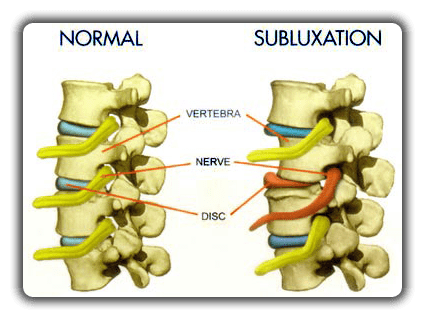
Are you experiencing muscle tightness in your neck, back, or shoulders? Do you feel pain radiating down your arms or legs? Or are you experiencing muscle aches in different parts of your body? These issues may be caused by spinal subluxation, which research shows can occur in the cervical, thoracic, and lumbar spine sections. A spinal subluxation can be caused by traumatic injuries or normal factors that cause the spinal vertebrae to shift out of alignment. This can cause a lot of discomfort. Studies also reveal that spinal subluxation can interfere with neuron communication between the brain and the rest of the body, leading to unwanted symptoms that affect the functioning of the nervous and organ systems and overall health.
Symptoms Associated With Spinal Subluxation
A spinal subluxation happens when the spine shifts out of alignment due to traumatic or normal factors. According to Dr. Eric Kaplan, D.C, FIAMA, and Dr. Perry Bard, D.C., in their book “The Ultimate Spinal Decompression,” biomechanical instability can cause the surrounding muscles and joints to destabilize or increase antagonist coactivation to stabilize the body. Simple movements like bending, twisting, or turning can cause the surrounding muscles to overstretch and make the body feel unstable. Research studies mentioned that displacement in any part of the spinal skeletal frame could press against the surrounding nerves, which can cause neuron signals to be hardwired and create too much or too little communication with the surrounding muscles and joints. Other symptoms associated with spinal subluxation include:
- Muscle tightness around the back
- Pain and discomfort
- Headaches
- Limited mobility
- Tingling sensations
- Digestive and respiratory issues
- Low energy
Thoracic Spine Pain- Video
Do you experience pain or discomfort when twisting, turning, or bending? Have you felt muscle aches, pain, or tenderness in your back, or do you feel unsteady when walking? These symptoms may be caused by spinal misalignment or subluxation. Subluxation occurs as pressure compresses spinal discs, causing vertebrae to shift from their normal position. A subluxation can occur in different spine sections, resulting in overlapping risks. This causes pain in various body parts, known as referred pain. Fortunately, non-surgical treatments like chiropractic care and spinal decompression can reduce the effects of subluxation, realign the spine, and promote natural healing for muscles, ligaments, and joints. The video above explains thoracic spine pain symptoms and how manual and mechanical manipulation can alleviate pain-like symptoms, rehydrate spinal discs, and kick-start the body’s natural healing process.
Spinal Decompression Alleviating Spinal Subluxation
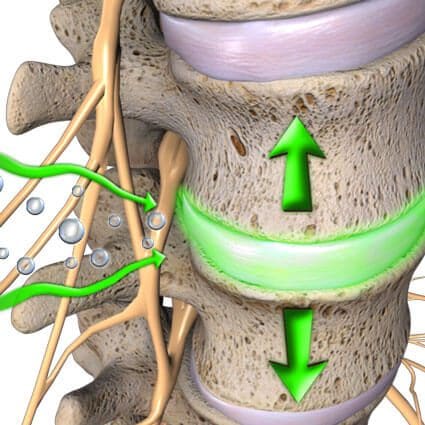
If you suffer from muscle pain associated with spinal subluxation, you can alleviate the associated pain symptoms in several ways. One option is spinal decompression, a non-surgical treatment shown to effectively reduce residual pain and disability, improve range of motion, and modulate neural mechanical sensitivity, as research studies mentioned. Through gentle spine stretching, spinal decompression helps realign the body and allows spinal discs to return to their original position. This, in turn, will enable nutrients, fluids, and oxygenated blood to rehydrate the discs and promote natural healing. For added benefits, spinal decompression can be combined with additional treatments, such as physical therapy and chiropractic care. Best of all, it is a safe and non-invasive treatment allowing individuals to be more mindful of how they move their bodies.
Conclusion
Spinal misalignment or subluxation can occur over time due to traumatic injuries or normal factors. This can cause the spinal vertebrae to shift out of alignment, leading to referred muscle pain and chronic issues that can eventually result in disability. However, non-surgical and non-invasive treatments like spinal decompression use mechanical traction to gently stretch the spine and realign it, releasing the body’s natural healing process. Additionally, non-surgical treatments like spinal decompression help individuals be more mindful of their bodies and prevent new injuries from occurring. Combining spinal decompression with other therapies can promote health and wellness in many individuals.
References
Kaplan, E., & Bard, P. (2023). The Ultimate Spinal Decompression. JETLAUNCH.